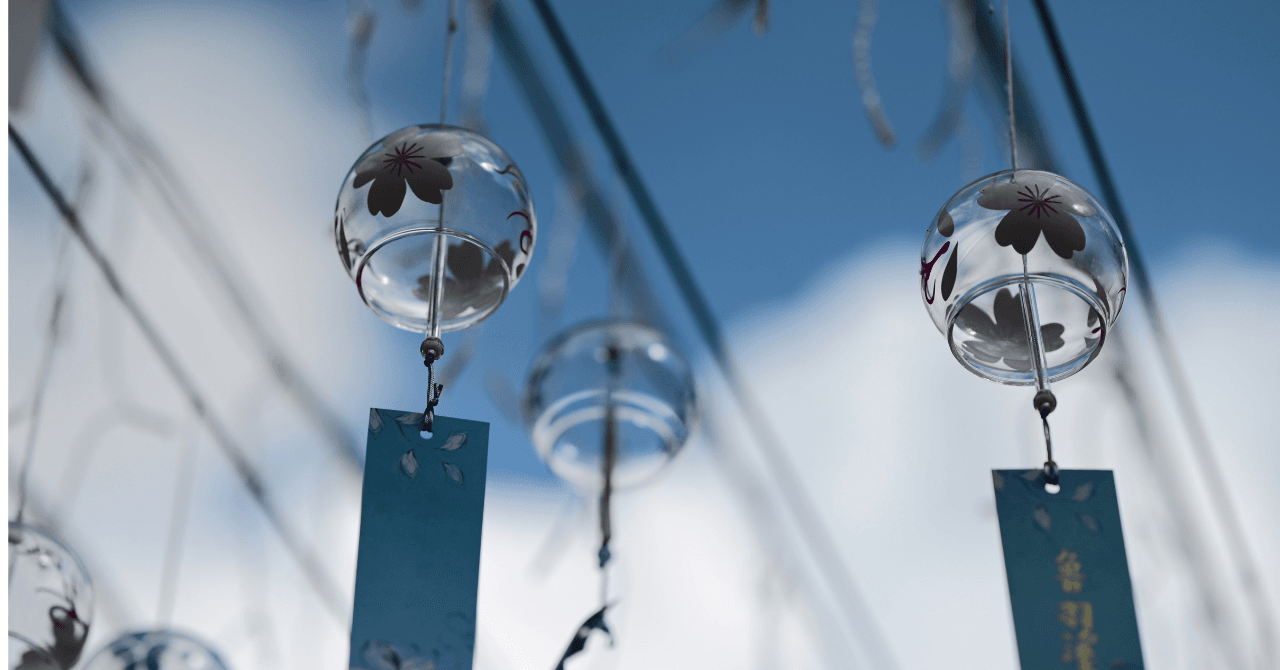
Discover Japan’s summer sound, “furin.” From origins and Edo glass to materials, display tips, shrine “wind-chime corridors,” and where to buy.
- Furin|The Timeless Sound of Summer in Japan
- Furin Basics|Design, Materials & Seasonal Charm
- Furin History|From Ancient Bells to a Summer Tradition
- Types of Furin|Glass, Metal, Ceramic & Regional Styles
- How to Enjoy Furin|Display Ideas, Etiquette & Best Practices
- Furin Festivals|Shrine & Temple Wind-Chime Corridors You Can Visit
- Where to Buy|Shops, Markets & Souvenir Tips
- Creative Ways to Enjoy Furin|Modern Twists on a Classic Sound
- Furin FAQ|Quick Answers About Japanese Wind Chimes
- Furin|A Must-Experience Sound of Summer in Japan
Furin|The Timeless Sound of Summer in Japan
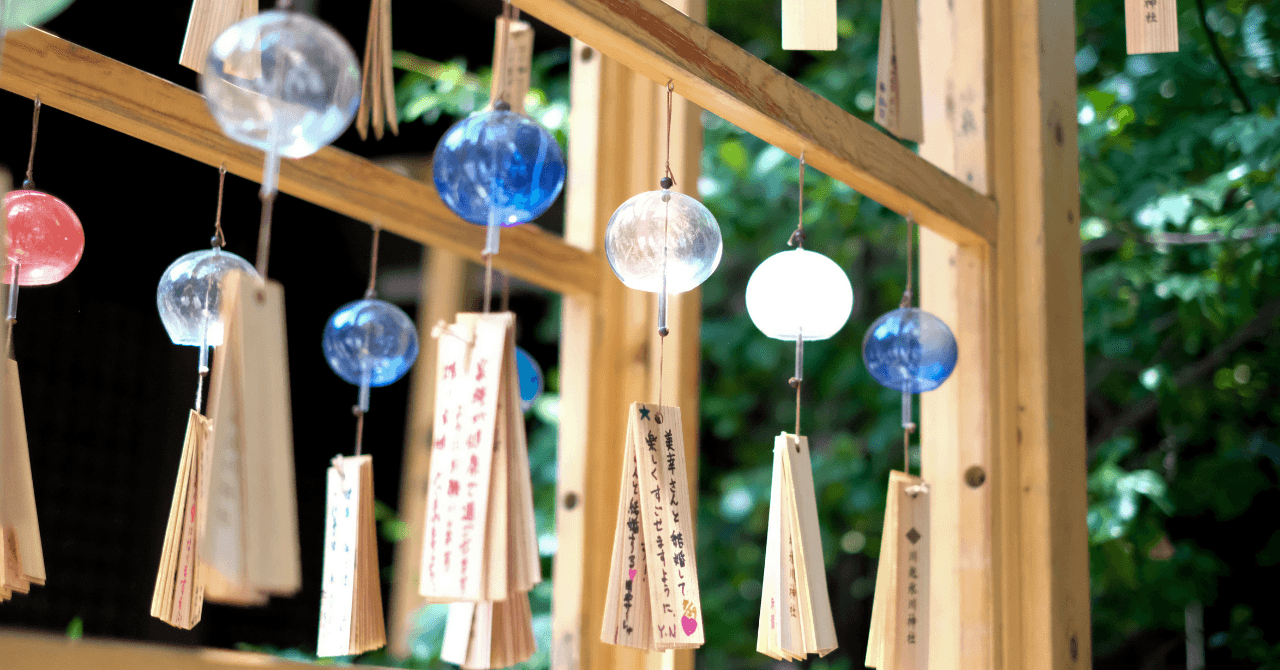
That clear chirin note is the sound of summer in Japan. Furin (Japanese wind chimes) bring a cool sensation through sound alone. This guide explains their origins and history, materials and types, tips for displaying them, how to enjoy them at shrines and temples, and where to buy—all in an easy format for travelers🎐
Furin Basics|Design, Materials & Seasonal Charm
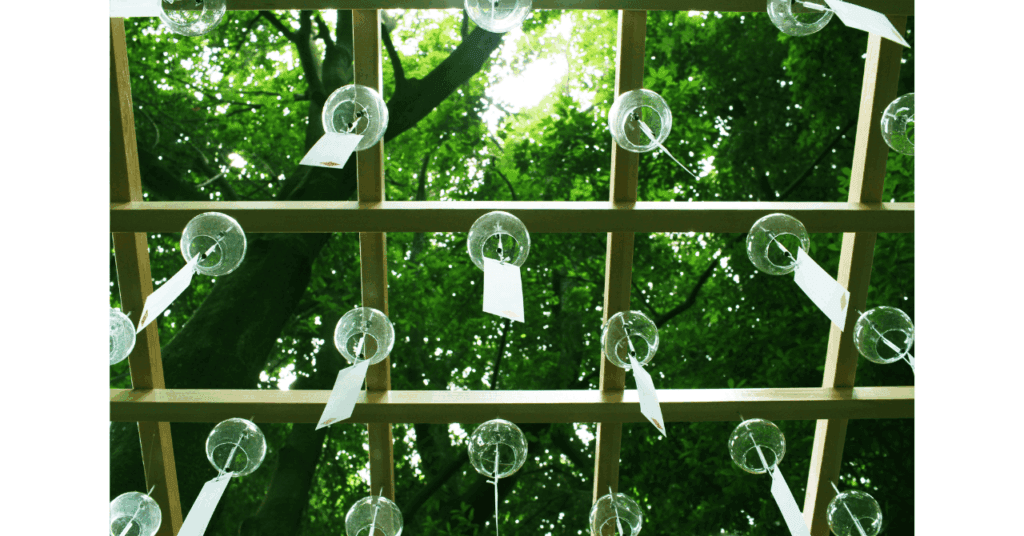
- Reading: furin (Japanese wind chime)
- How it works: A small clapper (tongue) moves with the wind and strikes the body; the paper strip (tanzaku) catches the breeze.
- Meaning: Traditionally associated with warding off heat and misfortune, and with feeling coolness through sound.
Furin History|From Ancient Bells to a Summer Tradition
- Origins: In ancient times, temple eaves often hung futaku (metal wind bells) used for protection and divination.
- Edo period (1603~1867): As glassmaking spread, Edo glass wind chimes became popular among townspeople. Families hung them along townhouse eaves, enjoying the breeze-blown sound across the streets.
- Modern era: Regional styles flourished—Nambu iron, ceramic/porcelain, Ryukyu glass, bamboo, and more.
Types of Furin|Glass, Metal, Ceramic & Regional Styles
- Glass (Edo glass, Ryukyu glass, etc.): Bright, clear tones. Edo furin are hand-painted on the inside of the glass, protecting the design and preserving a delicate ring.
- Metal (e.g., Nambu iron): Long, lingering resonance with a pure, steady tone.
- Ceramic/Porcelain: Soft, elegant timbre; glaze and thickness change the sound.
- Bamboo/Wood: Naturally warm, soft clacking character.
Tip: Even within one material, shape, thickness, and clapper length change the tone a lot. The weight and material of the tanzaku also affect how it rings.
How to Enjoy Furin|Display Ideas, Etiquette & Best Practices
- Hang in a breezy spot: inside the window frame, under the eaves, or on a balcony inside the rail.
- Be neighbor-friendly: On windy nights or late hours, bring it indoors or use a lighter tanzaku.
- Change the tanzaku seasonally: Washi or fabric in cool colors (indigo, pale blue). Add a short haiku or a trip place-name.
- As interior décor: Use a table stand or window hook indoors. Even an A/C’s gentle airflow can set it chiming.
Furin Festivals|Shrine & Temple Wind-Chime Corridors You Can Visit
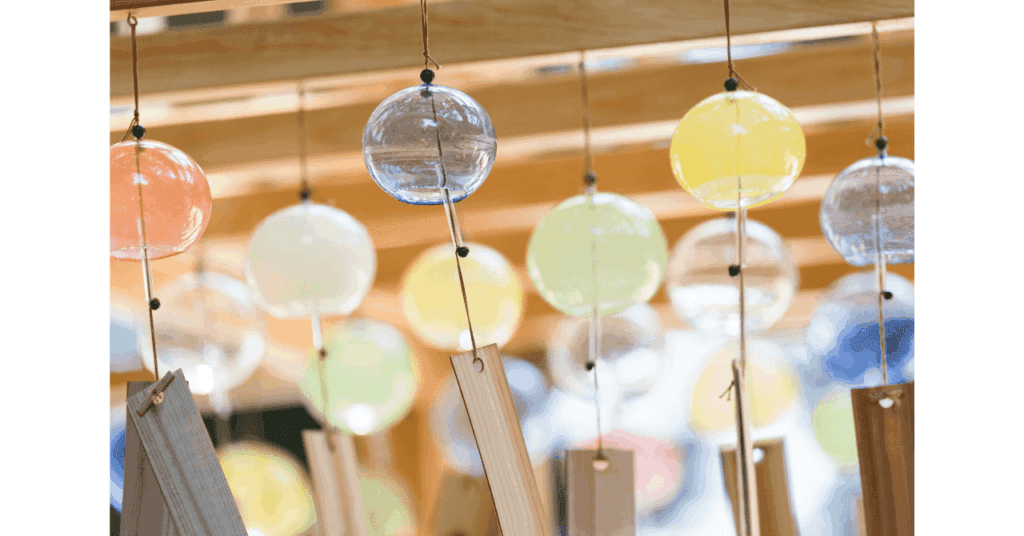
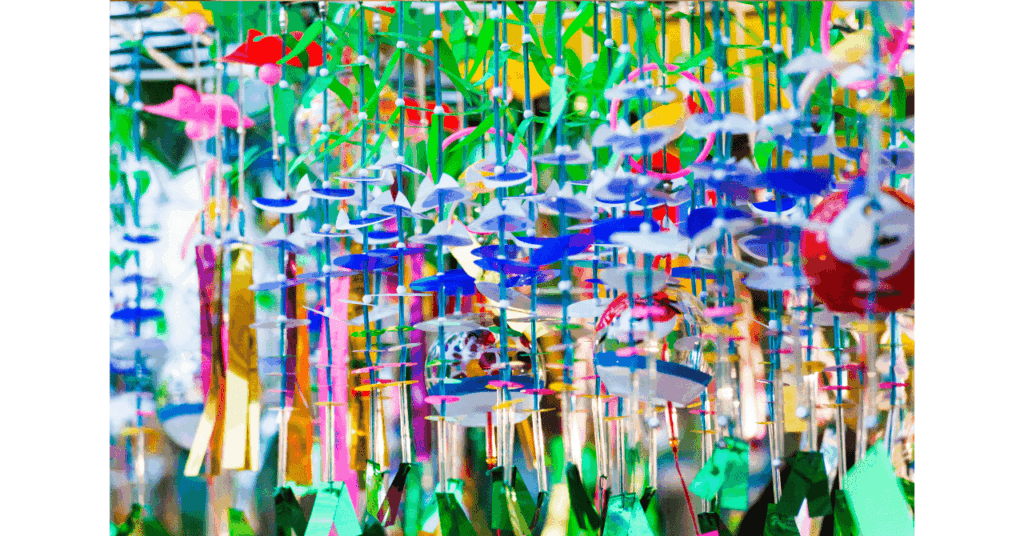
In summer, many shrines and temples host wind-chime tunnels/corridors and seasonal festivals. Thousands of chimes ringing together create a stunning soundscape. When planning, check the latest dates on each site’s official page.
Where to Buy|Shops, Markets & Souvenir Tips
- Studios & specialty shops: Edo glass workshops, Nambu iron studios, Ryukyu glass shops—some offer craft demos or name customization.
- Shrine offerings: Seasonal wind-chime omamori make a lovely travel charm.
- Souvenir shops, department stores, online: Plenty of compact sizes for safe transport; pad glass items well for the trip home.
Here, we’ve handpicked 20 Japan shopping phrases that travelers can actually use.

Creative Ways to Enjoy Furin|Modern Twists on a Classic Sound
Capture the sound before it slips away: record a few ASMR-style clips so the memory of your trip lives in your phone as clearly as it did in the moment. When you post, add a simple caption—“Sound of summer in Japan: furin”—and you’ll reach followers well beyond your time zone (peek at Curating Japan’s official TikTok and Instagram for ideas). Back home, keep the mood going with a small seasonal corner: a fan on a shelf, a piece of indigo cloth, maybe a goldfish motif beside the chime—the easiest way to invite a little “cool Japan” into your room!

Furin FAQ|Quick Answers About Japanese Wind Chimes
Q1. When should I hang a furin?
A. From early summer through the late-summer heat. After the rainy season, the sound feels especially refreshing.
Q2. Is it okay on an apartment balcony?
A. Yes, but mind the wind and nighttime noise. Hang it on the indoor side or adjust the tanzaku.
Q3. What’s it called in English?
A. Furin or Japanese wind chime. On social media, #furin #windchimes are common.
Q4. How can I bring a glass furin home safely?
A. Wrap the body, clapper, and tanzaku separately and place them in a sturdy box in your carry-on.
Also, check the 20 Best Japanese Souvenirs out!

Furin|A Must-Experience Sound of Summer in Japan
Furin are small works of sound art that let you feel the invisible wind. With different materials, shapes, and ways to display them, they add coolness and a quiet wish to summer days. On your next Japan trip, pause and listen to the soundscape of wind chimes.🎐☀️