Japan Bathing Guide explains onsen, sento, and sauna etiquette. Learn must-know bathing rules, tattoo-friendly options, what to pack, and advanced experiences for your next trip.
- Japan Bathing Guide Introduction|Why Onsen, Sento & Sauna Matter
- Japan Bathing Guide|Onsen vs. Sento vs. Sauna Explained
- Step Inside Japan’s Baths|What Your First Visit Really Feels Like
- Japan Bathing Guide|10 Must-Know Bath Etiquette Rules
- Tattoo-Friendly Bathing in Japan|Relax Without Worry
- Smart Packing Tips|What to Bring for Onsen, Sento & Sauna
- Beyond the Basics|Unique Bathing Experiences in Japan
- Stay Safe in Japanese Baths|Health Tips Every Visitor Should Know
- Handy Japanese Phrases|Speak Confidently at Onsen & Sento
- Japan Bathing Guide in Action|Easy Ways to Enjoy Baths on Your Trip
- Why Japan’s Bathing Culture Enriches Every Visit
Japan Bathing Guide Introduction|Why Onsen, Sento & Sauna Matter
If sushi and ramen are already old friends, make bathing your next deep-dive into everyday Japan! Mastering onsen (hot springs), sento (public baths), and saunas will change how you recover from travel and connect with local life. This guide gives you clear differences, etiquette you can trust, how to handle tattoos, what to pack, and advanced experiences to try on your next trip!

Japan Bathing Guide|Onsen vs. Sento vs. Sauna Explained
An onsen uses natural hot spring water that meets legal standards; it often comes with outdoor tubs, views, and distinct water types that feel different on the skin. A sento is the neighborhood public bath—heated tap or well water, everyday prices, and a friendly rhythm of people coming and going. Modern super sento add lounges, food courts, stone beds and multiple pools, the sort of place you can spend half a day without noticing. Saunas—dry or steam—often sit beside a cold plunge; alternating heat, cold, and a few minutes of quiet rest is a ritual many locals swear by.
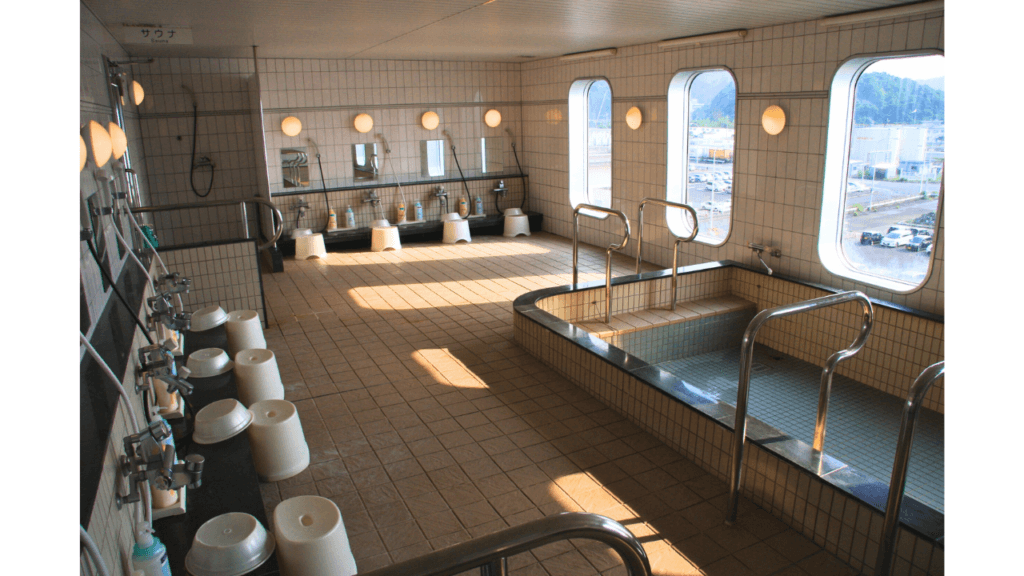
Note: standard onsen and sento are nude with men’s/women’s areas. Swimsuits appear only in mixed zones or certain spa areas—follow the signs.

Step Inside Japan’s Baths|What Your First Visit Really Feels Like
- Take off your shoes at the entrance and store them in a shoe locker.
- Pay or tap in, then head to the changing room.
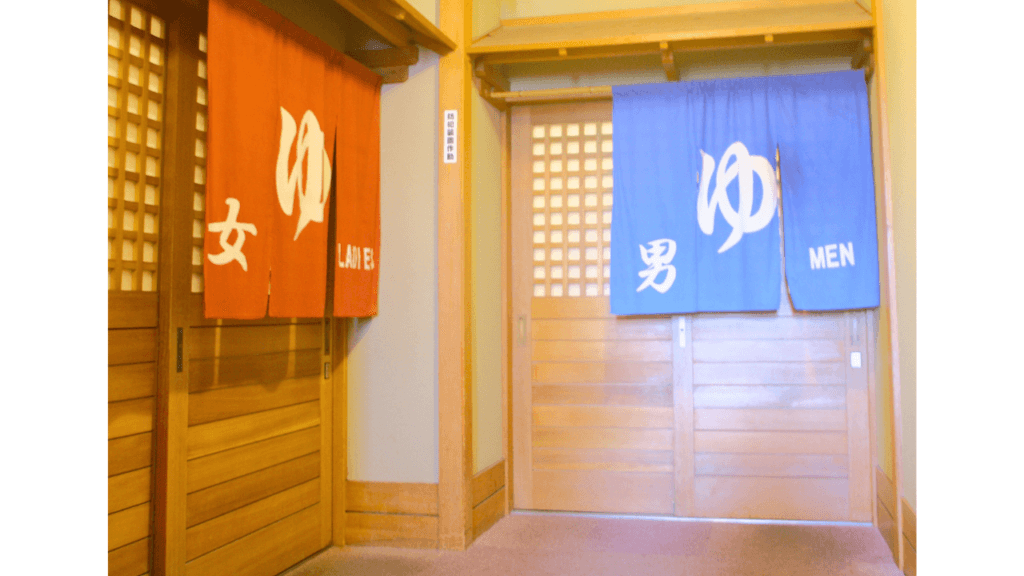
- Choose the correct side: red curtain = Women (女) / blue curtain = Men (男).
- Find a locker, undress, and store your clothes and valuables (tie up long hair at this point).
- Wash first (no tub yet): go to the washing area, sit on a stool, soap up, and rinse thoroughly.
*Use a small towel at the washing area, but keep it out of the bath water (place it on your head or on the edge). - Enter the bath slowly and start with a comfortable tub; relax and breathe steadily.
- Take breaks and step out before you feel dizzy or light-headed.
- If there’s a sauna, try a gentle cycle: warm up → brief dip in the cool bath → sit/lie down for 1–2 minutes until your pulse settles.
- Rinse quickly before leaving the bathing area.
- Hydrate afterward (vending machines are common) and take your time getting dressed.
Japan Bathing Guide|10 Must-Know Bath Etiquette Rules
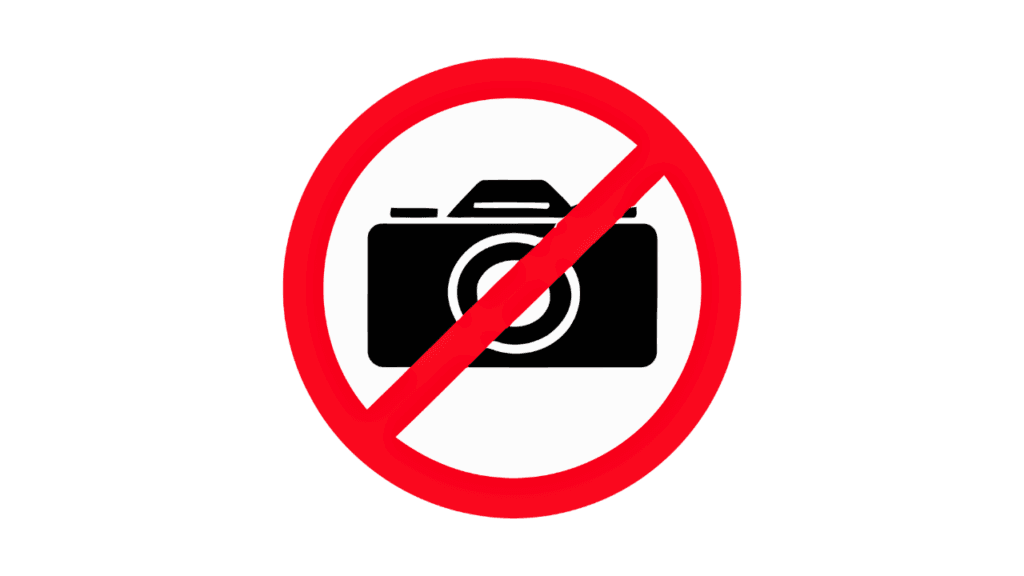
- No phones/cameras(changing rooms & bath areas)
- Tie up hair(keep out of the water)
- No soap in tubs(use washing stations only)
- Don’t hog space(share stools, showers, benches)
- Mind the heat(exit if dizzy; short soaks > one long soak)
- No alcohol beforehand
- Remove jewelry(some waters can tarnish metals)
- Dry off before re-entering changing rooms(keep floors safe)
- Keep it quiet(indoor voices, no running)
- Wash before soaking(no exceptions)
Tattoo-Friendly Bathing in Japan|Relax Without Worry
Policies vary. Many places now list “tattoo-friendly” notes on official pages; when they don’t, a quick message or call saves guesswork. Booking a private bath (sometimes called kashikiri or “family bath”) or a room with its own tub is the easiest route if you’re unsure. Some venues accept cover stickers for small tattoos, but always check first—small neighborhood spots especially appreciate advance notice.
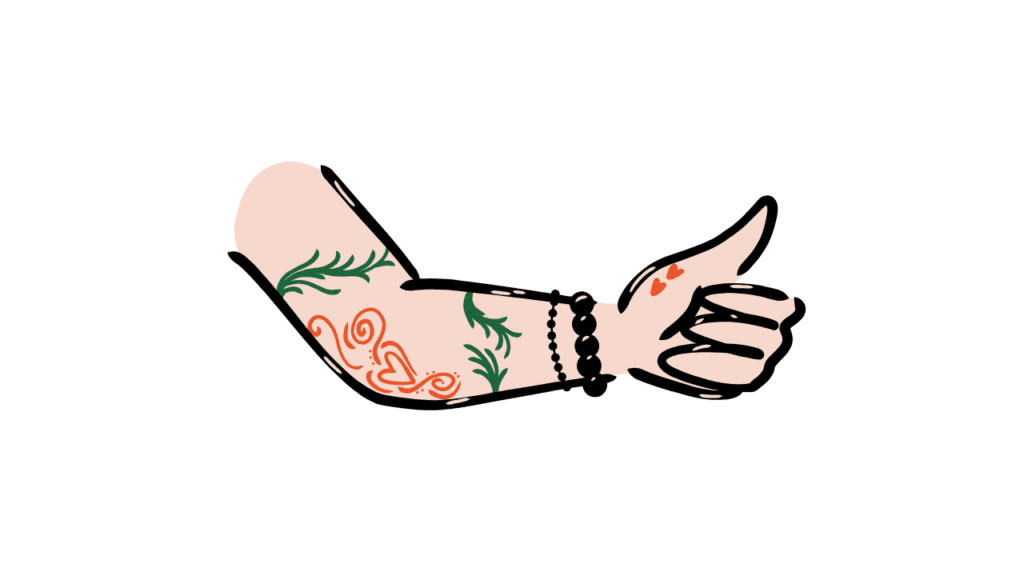
♨️ Want to try a tattoo-friendly onsen without worrying about restrictions?
Here’s one you can enjoy right in Tokyo👇
Smart Packing Tips|What to Bring for Onsen, Sento & Sauna
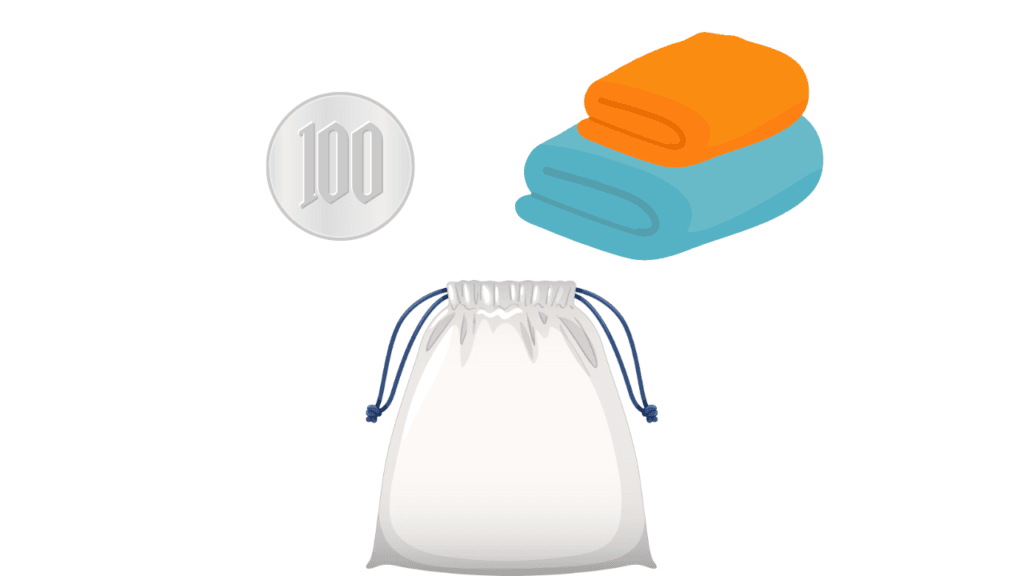
You don’t need much: a small face towel for washing, a bath towel for drying, a hair tie, and travel-size skincare. A hundred-yen coin for a locker (most time returnable) and a small bag for wet items are useful. Many places rent or sell towels and amenities if you arrive empty-handed.
Beyond the Basics|Unique Bathing Experiences in Japan
Once you’ve mastered the basics, Japan offers variations you might not expect:
- Sand baths (sunamushi): warm sand cocooning you until you feel deeply loosened
- Mud baths: silky texture; rinse well afterward
- High-carbonated baths: tiny bubbles cling to your skin and create a gentle warming sensation
- Outdoor rotenburo in peak seasons: autumn leaves or winter stars can become your “forever memory”
*After sauna + cold dip, try a quiet air bath—just sit, breathe, and notice how calm and alert you feel.
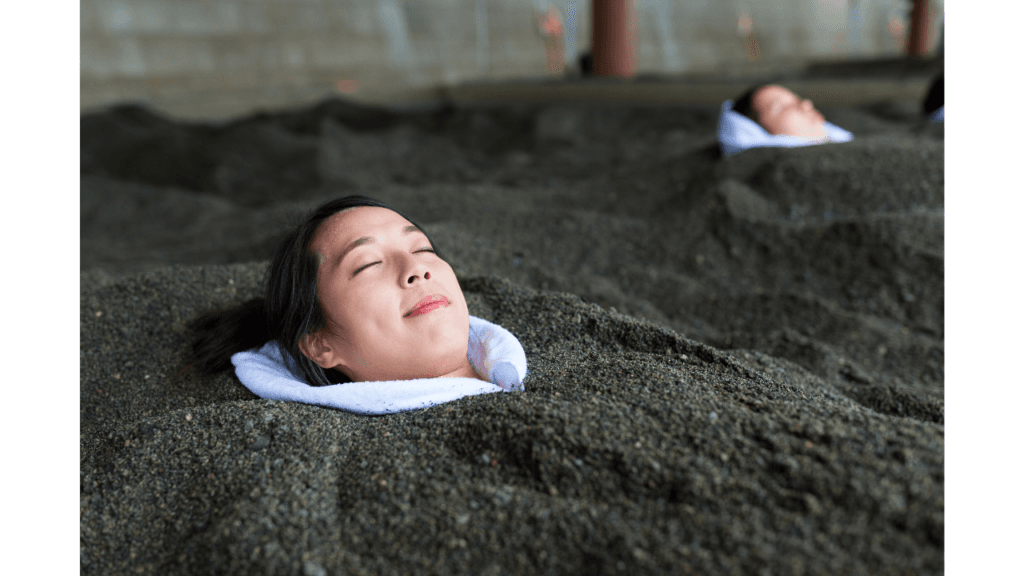
Water types vary (e.g., sulfur, chloride, carbonate). Enjoy the aroma and feel—skip medical claims and listen to your body.
Stay Safe in Japanese Baths|Health Tips Every Visitor Should Know
Listen to your body. If you’re pregnant, have heart conditions, or feel unwell, keep sessions short and mild, or sit this one out. Eat lightly beforehand, hydrate afterwards, and avoid bathing with open wounds or infections. A couple of easy cycles nearly always beats one long, overheated soak.
Costs & Payment (Typical Ranges)
- Sento / Super sento: Sento typically cost around ¥500–¥600, while super sento usually range between ¥1,000 – ¥3,000; buy a ticket at a vending machine or counter.
- Onsen : varies by region/amenities; add-ons (sauna, stone bed, lounge) may cost extra.
- Locker systems: bring ¥100 coins or check for IC/pay options.
- Towels/toiletries: available for rental/purchase at many venues.
Handy Japanese Phrases|Speak Confidently at Onsen & Sento
Do you accept tattoos? — Tattoos OK desu ka?
Is there a private bath available? — Kashikiri-buro wa arimasu ka?
Where is the washing area? — Arai-ba wa doko desu ka?
Can I rent a towel? — Towel rental wa arimasu ka?
Japan Bathing Guide in Action|Easy Ways to Enjoy Baths on Your Trip
In the city: Drop your bag at the hotel → enjoy a sento + short sauna cycle → eat nearby → sleep incredibly well.
In an onsen town: Start with a foot bath on arrival → stroll and snack → time your outdoor soak for dusk → finish with a private bath at your inn.
Once you find your ideal temperature and rhythm, you’ll start planning trips around it.
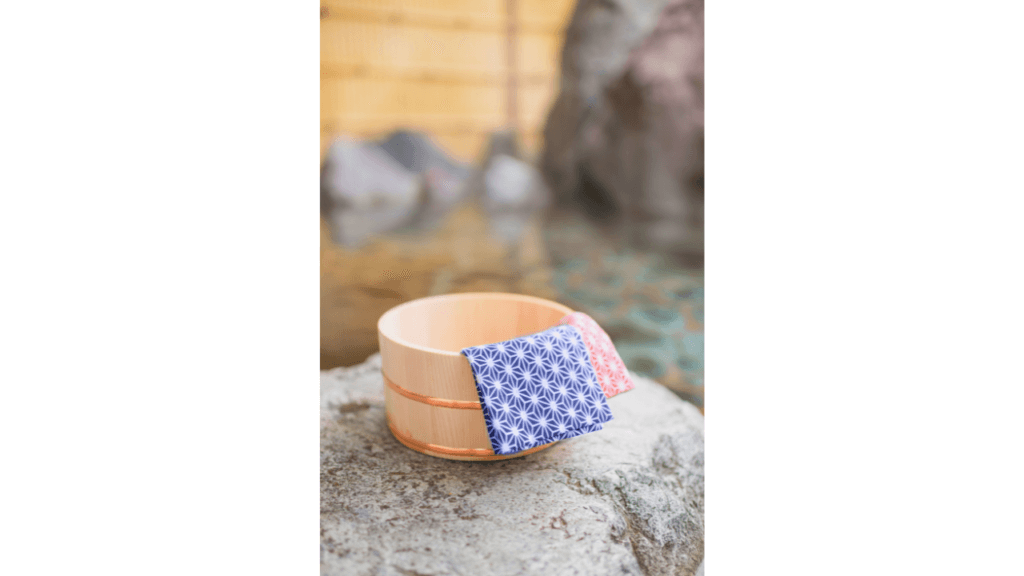
Where should you stay? If you’re not sure, check out this article!
Why Japan’s Bathing Culture Enriches Every Visit
Baths are Japan’s second living room—quiet, restorative, and social. With a few rules and the right rhythm, you’ll recover faster, sleep deeper, and feel closer to local life. On your next trip, find your ideal temperature and perfect cycle—then make it your personal ritual.

Here are more unforgettable cultural experiences to explore!