Learn temple and shrine etiquette in Japan with this practical guide. Discover how to purify, pray, take photos respectfully, and enjoy goshuin, omamori, and festivals with confidence.
- Introduction|Why Shrine & Temple Etiquette in Japan Matters
- Shrine vs. Temple Etiquette|Key Differences You Must Know
- Before You Enter|Essential Etiquette Steps at Shrines & Temples
- Purification Made Simple|How to Use the Chozuya with Confidence
- How to Pray at Shrines & Temples|Step-by-Step Etiquette Guide
- Photo Etiquette at Shrines & Temples|Respectful Rules for Visitors
- Goshuin Etiquette|How to Collect Shrine & Temple Stamps Properly
- Amulets & Omikuji|Etiquette for Japan’s Spiritual Souvenirs
- Indoors Etiquette|Shoes, Tatami, and Respectful Conduct
- Festival & Ceremony Etiquette|How to Behave Respectfully
- Simple Shrine Etiquette Rules|Quiet & Follow the Signs
- Handy Japanese Phrases|Polite Words for Shrine & Temple Visits
- Why Shrine & Temple Etiquette Enriches Your Visit in Japan
Introduction|Why Shrine & Temple Etiquette in Japan Matters
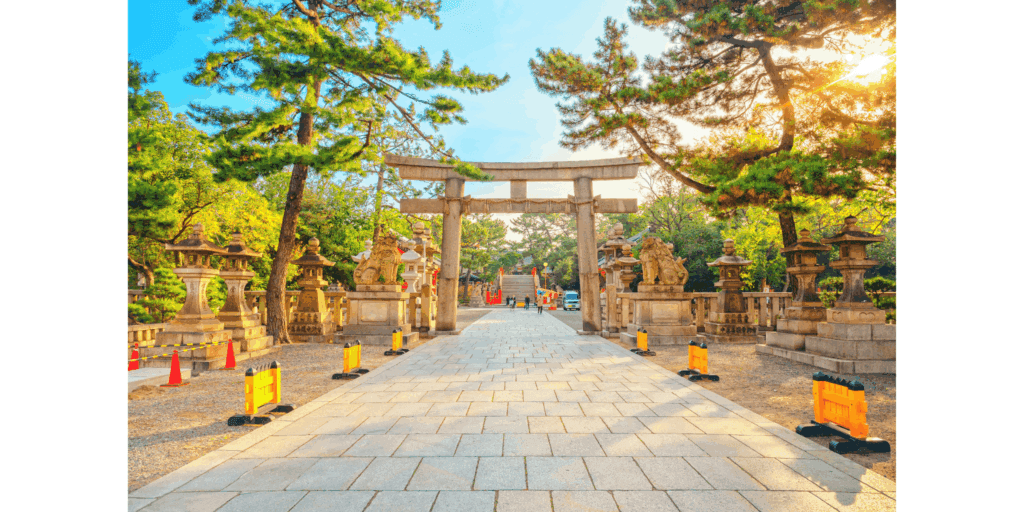
You’ve strolled through torii gates and temple gardens before—but in the moment you still catch yourself thinking, “Wait, do I clap here?” This guide keeps the joy of visiting sacred places while giving you just enough etiquette to move with confidence. Think of it as the calm voice in your pocket: respectful, practical, and easy to remember!
Want a broader road-rules refresher? Pair this with our repeat-visitor primer:

Shrine vs. Temple Etiquette|Key Differences You Must Know
Shrines (Shinto) are marked by a torii gate. You offer thanks or wishes at the haiden and usually clap.
Temples (Buddhist) have a sanmon gate, main hall, and pagodas. You press your palms together in silent prayer—no clapping.
In both, the baseline is the same: quiet and cleanliness.
Before You Enter|Essential Etiquette Steps at Shrines & Temples
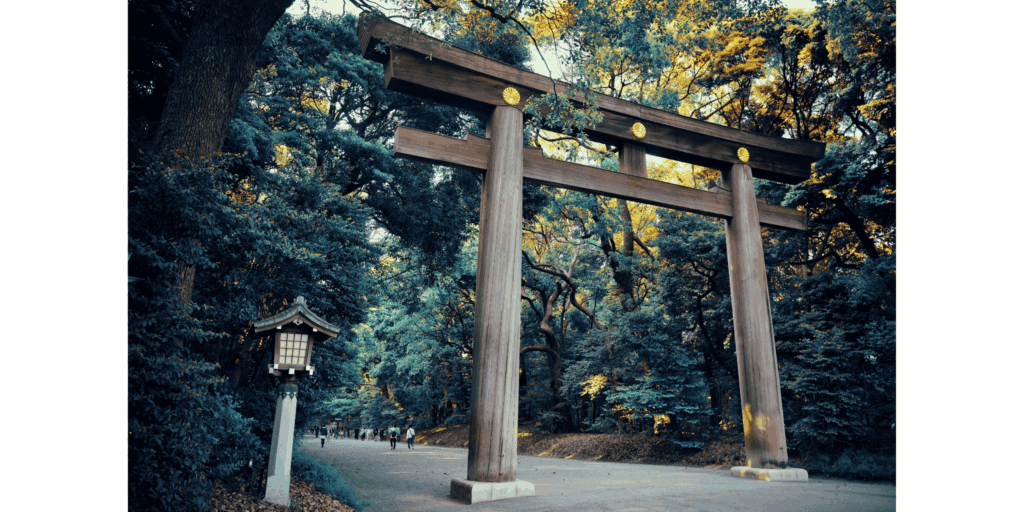
A small bow before the torii or temple gate sets your pace. Walk slightly to the side of the central path; keep food, smoking, and loud calls out of the precincts. If there’s an information board, let it lead.
Purification Made Simple|How to Use the Chozuya with Confidence
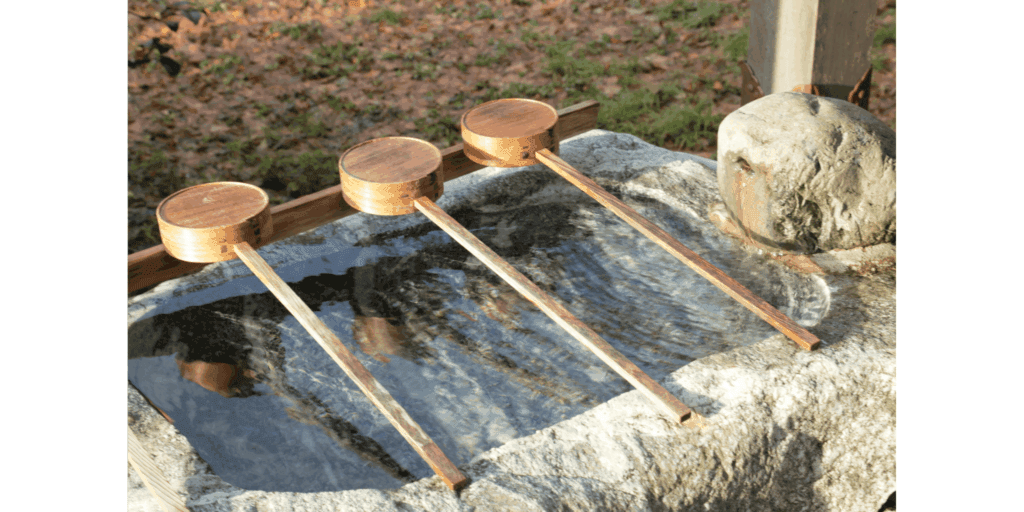
At the water basin, rinse left hand → right hand → mouth (pour into your hand, not directly), then right hand again. Tilt the ladle upright to rinse the handle. Since 2020 some places use simplified steps—signage takes priority.
How to Pray at Shrines & Temples|Step-by-Step Etiquette Guide

At a shrine
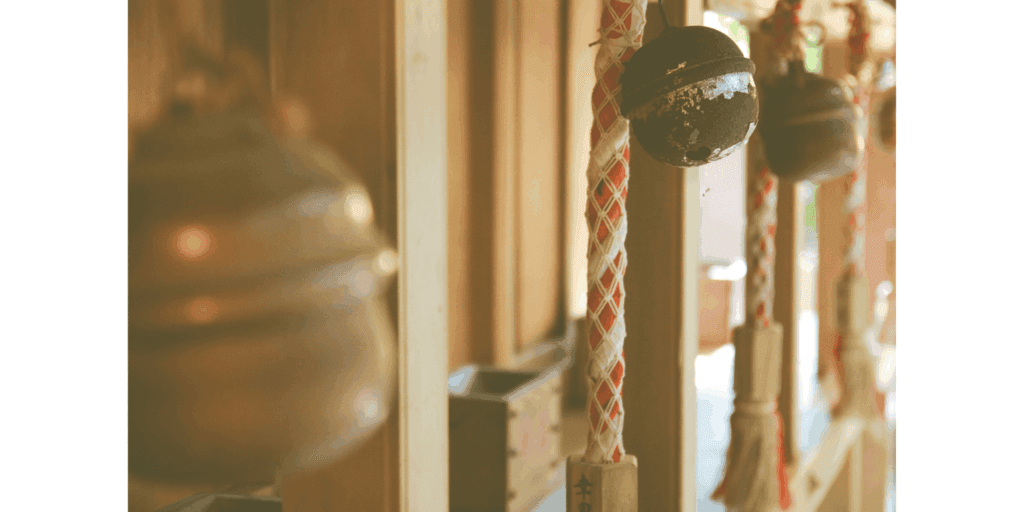
Offer a coin gently, ring the bell if provided, then two deep bows, two claps, one bow. Keep the tone grateful—think “report and thanks” rather than a long wish. (Some shrines, e.g., Izumo Taisha, have different clap counts. Follow local signs.)。
At a temple
Offer a coin, bring your hands together, no clapping, and take a silent moment. Burn incense or ring a bell only if a sign invites you to.
Photo Etiquette at Shrines & Temples|Respectful Rules for Visitors
Courtyards are often fine; interiors rarely are. Skip flash, tripods, drones, and tight shots of people in prayer. Ropes and low fences mark sacred boundaries—don’t cross. When unsure, a soft ask solves everything: “May I take photos here?”
Goshuin Etiquette|How to Collect Shrine & Temple Stamps Properly
Offer your prayer at the main hall before visiting the office.
- Prepare your book & ask politely: Open your goshuin-chō to a blank page, hand it over, and say: “Goshuin onegai shimasu.” / “Kakioki (pre-written) is fine.”
- Have the offering fee in small change (many places are around ¥500, but follow the posted amount).
- Photos only if permitted; avoid close-up filming while they write.
- Receive & than: Gently check the shrine/temple name and date, let the ink dry before closing, and say “Arigatō gozaimasu.”
⚠️New to goshuin? Read the deep dive: [What Is a Goshuin?]

Amulets & Omikuji|Etiquette for Japan’s Spiritual Souvenirs
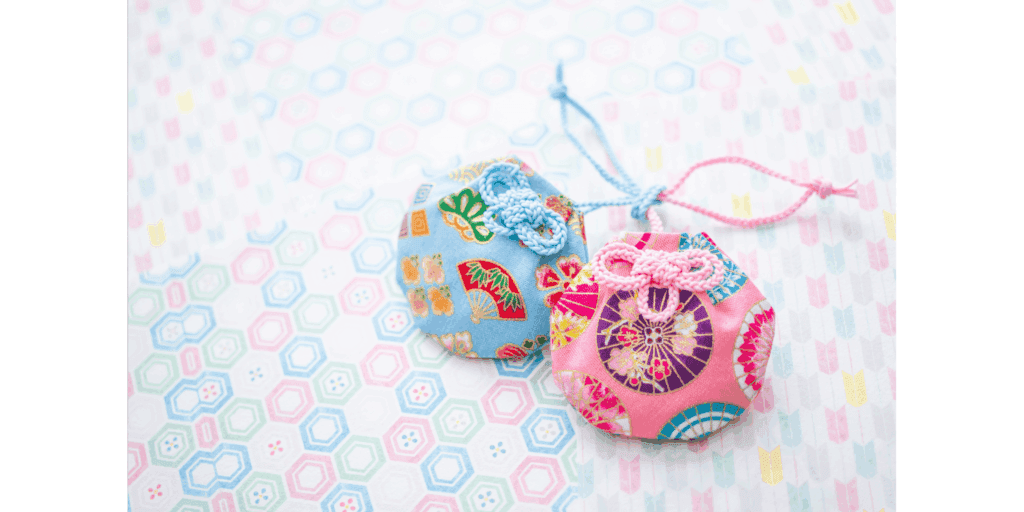
Choose an omamori that suits your need (safe travel, studies, health) and carry it respectfully. Return older amulets to a collection box when you can—ideally where you got them, but most places will accept them. Tie your omikuji only where designated; if not, taking it home is fine.
Indoors Etiquette|Shoes, Tatami, and Respectful Conduct
Some halls require shoes off. Line them neatly, toes out. Socks feel more respectful than bare feet. Avoid stepping on thresholds or the edges of tatami; it’s a small gesture that reads beautifully.
Festival & Ceremony Etiquette|How to Behave Respectfully
Let the flow guide you. Don’t cross in front of processions, mikoshi routes, or chanting lines. Heed staff and parishioners; skip close-up filming of faces; keep pets and strollers in step with posted guidance!
Simple Shrine Etiquette Rules|Quiet & Follow the Signs
Follow the sign. Share the quiet. With those two, you rarely go wrong. If you’re lost, a soft voice at the office gets you friendly help.
Handy Japanese Phrases|Polite Words for Shrine & Temple Visits
A small bow and Sumimasen (Excuse me) make everything easier. Below are phrases you can show on your phone or read aloud—Japanese / romaji / English.
1) Photo etiquette
- 写真は撮っても大丈夫ですか?
Shashin wa totte mo daijōbu desu ka? / May I take photos? - 本堂(拝殿)の中は撮影できますか?
Hondō (haiden) no naka wa satsuei dekimasu ka? / Is photography allowed inside? - フラッシュは使いません。
Furasshu wa tsukaimasen. / I won’t use flash. - 人が写らないように撮ります。
Hito ga utsaranai yō ni torimasu. / I’ll avoid capturing people.
2) Play・Chōzu Etiquette
- 手水(ちょうず)はどこですか?
Chōzu wa doko desu ka? / Where is the purification basin? - お参りの作法を教えていただけますか?
Omairi no sahō o oshiete itadakemasu ka? / Could you tell me the proper way to pray? - 列はこちらで合っていますか?
Retsu wa kochira de attteimasu ka? / Is this the right line? - 先にどうぞ。
Saki ni dōzo. / Please go ahead.
3) Footwear & Where to Take It Off
- 靴はこちらで脱ぎますか?
Kutsu wa kochira de nugimasu ka? / Do I take off my shoes here? - 靴袋はありますか?
Kutsu-bukuro wa arimasu ka? / Do you have shoe bags? - どこまで近づいて大丈夫ですか?
Doko made chikazuite daijōbu desu ka? / How close can I get?
4) Goshuin・Omamori etiquette
- 御朱印をお願いします。
Goshuin o onegai shimasu. / May I have a goshuin? - 書き置きでも大丈夫です。
Kakioki demo daijōbu desu. / A pre-written stamp is fine. - 初穂料はいくらですか?
Hatsuho-ryō wa ikura desu ka? / How much is the offering fee? - このお守りの意味を教えていただけますか?
Kono omamori no imi o oshiete itadakemasu ka? / What does this amulet mean?
5) Polite Refusals, Thanks & Quiet
- ありがとうございます。
Arigatō gozaimasu. / Thank you very much. - 失礼しました。
Shitsurei shimashita. / Sorry about that / Excuse me. - お騒がせしません。静かにします。
Osawagase shimasen. Shizuka ni shimasu. / I’ll be quiet.
6) Entry & Photography Restrictions
- この中に入っても良いですか?
Kono naka ni haitte mo ii desu ka? / May I enter this area? - ここは撮影禁止ですか?
Koko wa satsuei kinshi desu ka? / Is photography prohibited here?
7) Health, Restrooms & Facilities
- 具合が悪いです。休める場所はありますか?
Gua i ga warui desu. Yasumeru basho wa arimasu ka? / I feel unwell. Is there a place to rest? - お手洗いはどこですか?
Otearai wa doko desu ka? / Where is the restroom?
Mini Dialogue
すみません、写真は撮っても大丈夫ですか?/Sumimasen, shasin ha tottemo daijobu desuka?/ Excuse me—may I take photos?
本堂の中はご遠慮ください。外は大丈夫です。/Hondo no naka ha goenryo kudasai. Soto ha daijobu desu./ Please refrain from photographing inside the main hall. You may take photos outside.
わかりました。ありがとうございます。/Wakarimashita, Arigato gozaimasu./ Understood. Thank you.
You may see the signs:撮影禁止(No Photography)/立入禁止(No Entry)/静粛(Quiet). Please follow these signs!
Why Shrine & Temple Etiquette Enriches Your Visit in Japan
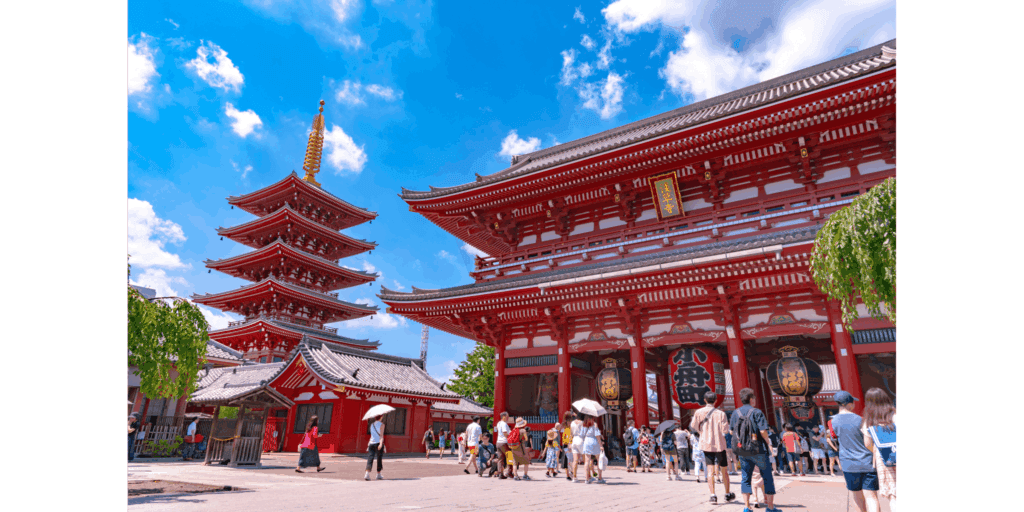
Etiquette isn’t a test; it’s a way to tune yourself to the place. Learn a few gestures and shrines and temples become deeper, quieter, more welcoming. Next time you pass under a torii or through a temple gate, try just one thing from this page—you’ll notice the atmosphere change.