Where to Stay in Japan: A Guide for Repeat Visitors
On your first trip to Japan, chances are you stayed in a convenient hotel in Tokyo, Kyoto, or Osaka. Big cities make it easy to move around, and international travelers can find plenty of familiar comforts.
But on your second or third trip, your choice of accommodation can become part of the journey itself. Staying in a traditional ryokan, a simple guesthouse, or even a capsule hotel will completely change how you experience Japan.
This guide introduces the main types of accommodation in Japan — from ryokan to business hotels, minshuku, boutique stays, and capsule hotels — with tips for choosing the right one as a repeat visitor!
Not sure what’s polite or not in Japan? You’re not alone.
👉 Here’s a simple guide to Japanese travel manners you should know.

1. Ryokan – Traditional Japanese Inns
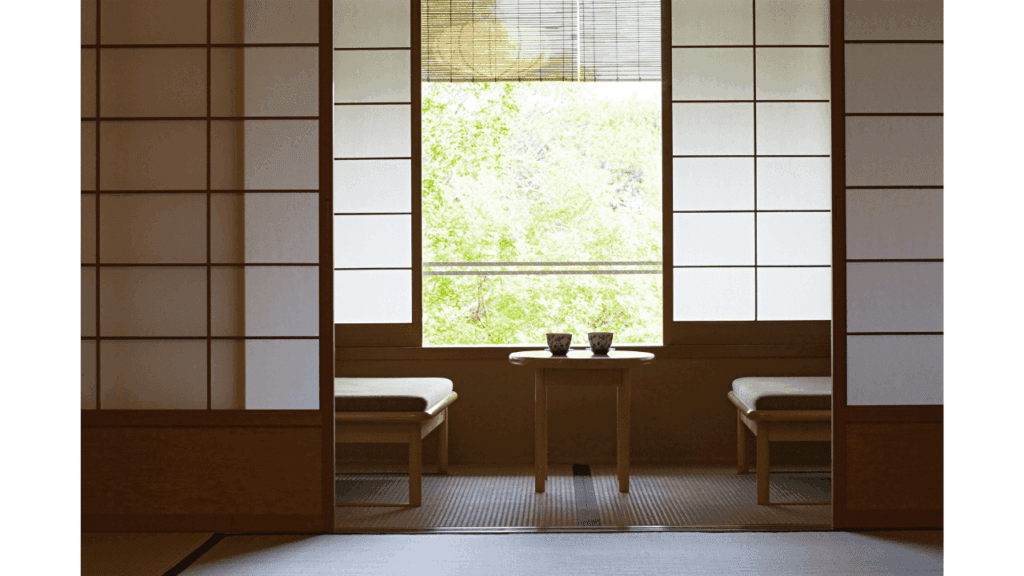
A ryokan is the ultimate way to immerse yourself in Japanese tradition.
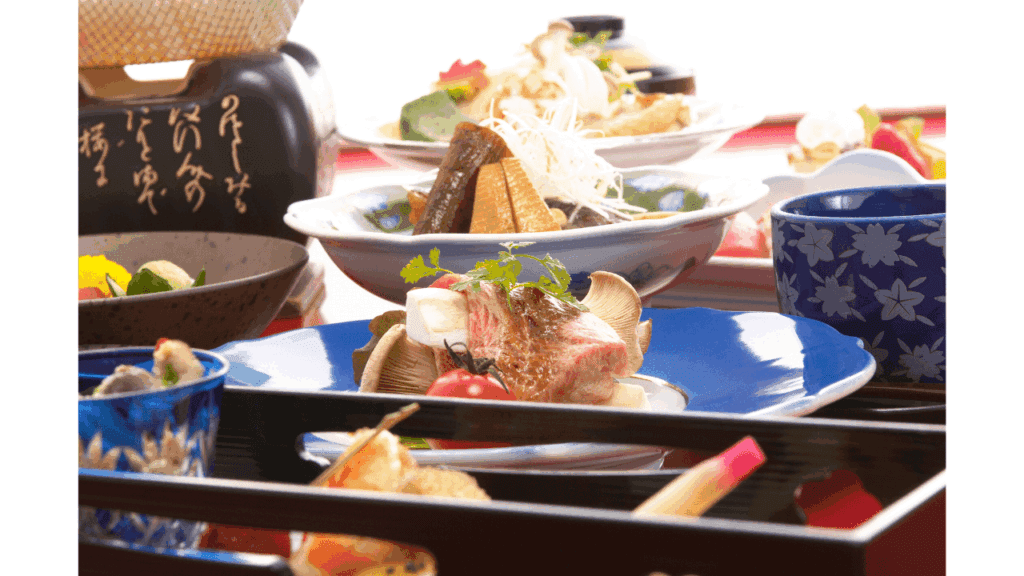
Think tatami rooms, futon bedding, yukata robes, seasonal kaiseki dinners, and often an on-site hot spring bath.
Bathing culture is a big part of the Japanese travel experience.
👉 Discover how to enjoy it properly in this onsen and bath guide for Japan.

- Price range: ¥25,000–70,000 per person with dinner and breakfast included. Luxury ryokan can cost ¥50,000+.
- Why it’s great:
- Meals are included, so you don’t need to worry about ordering in Japanese.
- The stay itself is a cultural package: food, bath, architecture, and hospitality.
- Perfect for hot spring towns and historic regions.
- Tip: Choose a ryokan with a long history or a scenic garden to enjoy the full atmosphere.
2. Business Hotels & Chain Hotels

Business hotels are a uniquely Japanese concept: compact, affordable, and extremely efficient. While designed for domestic business travelers, they’ve become popular among tourists for their reliability.
- Price range: ¥5,000–20,000 per night (sometimes cheaper on weekdays).
- Why it’s great:
- Consistent quality across the country — perfect for multi-city trips.
- Many chains now offer English-speaking staff and multilingual guides.
- Some business hotels includes free breakfast and even public baths.
- Tip: Look for locations within 5 minutes of the station to save time on transport.
3. Minshuku & Guesthouses
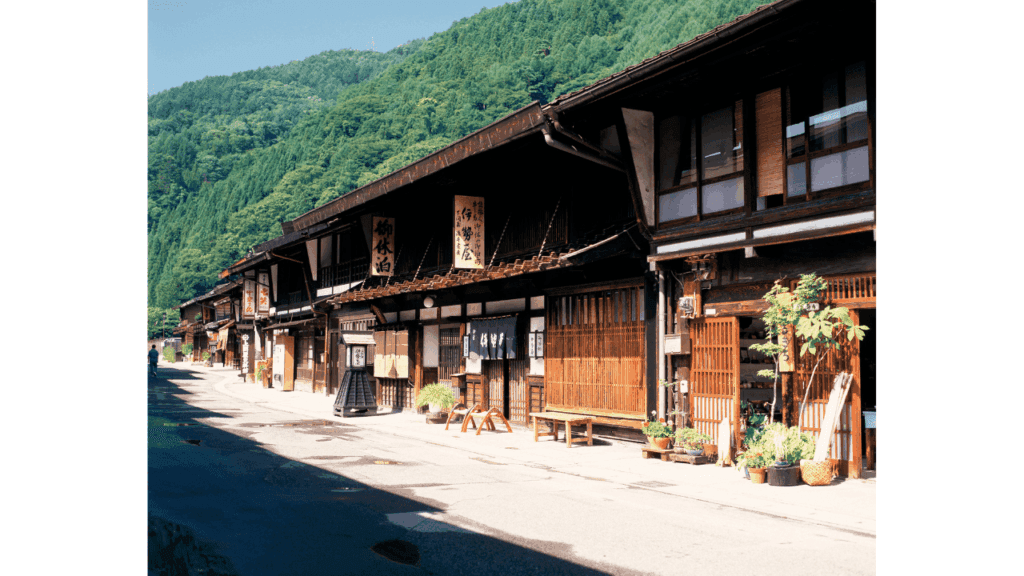
For travelers who want more personal interaction, minshuku (family-run inns) and guesthouses are ideal. These small-scale accommodations give you a glimpse of everyday Japanese life.
- Price range: ¥5,000–20,000 per night with meals. Budget guesthouses from ¥3,000–5,000.
- Why it’s great:
- Direct contact with hosts who often share local stories and insider tips.
- Home-cooked meals featuring local ingredients.
- A chance to stay in rural villages or fishing towns far from tourist crowds.
- Tip: Choose a minshuku outside big cities for a quieter, authentic stay.
4. Luxury Hotels & Boutique Stays

If you’ve already seen the major sights, why not make the hotel itself your destination?
Japan is home to world-class luxury brands and creative boutique hotels that combine tradition with modern design.
- Price range: ¥25,000–85,000+ per night. Some luxury ones may exceed ¥100,000.
- Why it’s great:
- Reliable English support and concierge services.
- Rooms designed with Japanese aesthetics, from renovated townhouses to art-themed hotels.
- Ideal for honeymoons, anniversaries, or once-in-a-lifetime trips.
- Tip: In Kyoto, try a machiya (traditional townhouse) hotel for an elegant mix of old and new.
5. Capsule Hotels & Unique Stays

For budget travelers or those seeking novelty, capsule hotels are a must-try. Once known for their simplicity, many now feature sleek designs, women-only floors, and even hot springs.
- Price range: 3,500-8,000 yen per night.
- Why it’s great:
- Extremely affordable, freeing up budget for experiences.
- A quirky “only in Japan” stay that makes a great story.
- Other unique options include temple lodging (shukubō) or traditional farmhouses.
- Tip: Book capsule hotels in city centers to minimize commuting.
💡 Tips for Choosing Accommodation in Japan
- Know seasonal price trends
Hotel and ryokan rates rise sharply during cherry blossom season (late March–early April), Golden Week (early May), autumn foliage (November), and New Year.
If you’re planning to travel during these times, book months in advance or consider staying in nearby secondary cities for better value.
- Check if breakfast is included
Japanese business hotels often include free breakfast, and it can be surprisingly satisfying — from rice and miso soup to scrambled eggs and toast.
Starting your day with breakfast at the hotel not only saves money but also time, especially if you have an early train to catch.
- Location is key
In big cities, being within a 5–10 minute walk of a major train station will save both time and energy. In contrast, if you’re visiting rural areas, choosing an inn surrounded by nature (even if transport takes longer) can transform your stay into a relaxing retreat.
- Language support
Luxury hotels and most chain hotels offer English service, but at family-run minshuku or countryside ryokan, English may not be spoken.
This can actually be part of the charm — a chance to use simple Japanese phrases or translation apps to connect with locals.
- Prioritize unique experiences
As a repeat visitor, don’t just think of accommodation as “a place to sleep.” Staying in a hot spring ryokan, a Buddhist temple (shukubō), or even a renovated machiya townhouse in Kyoto adds a layer of cultural immersion you won’t find in standard hotels.
- Balance budget and experience
Splurging on one night at a luxury ryokan and then balancing the rest of your trip with business hotels or guesthouses is a common strategy among seasoned travelers. This way, you can enjoy both cultural immersion and cost efficiency in one trip.
If accessibility is a concern, planning ahead can make all the difference.
👉 Here’s a comprehensive guide to accessible travel in Japan.

Summary | There is a wide variety of accommodation styles in Japan!
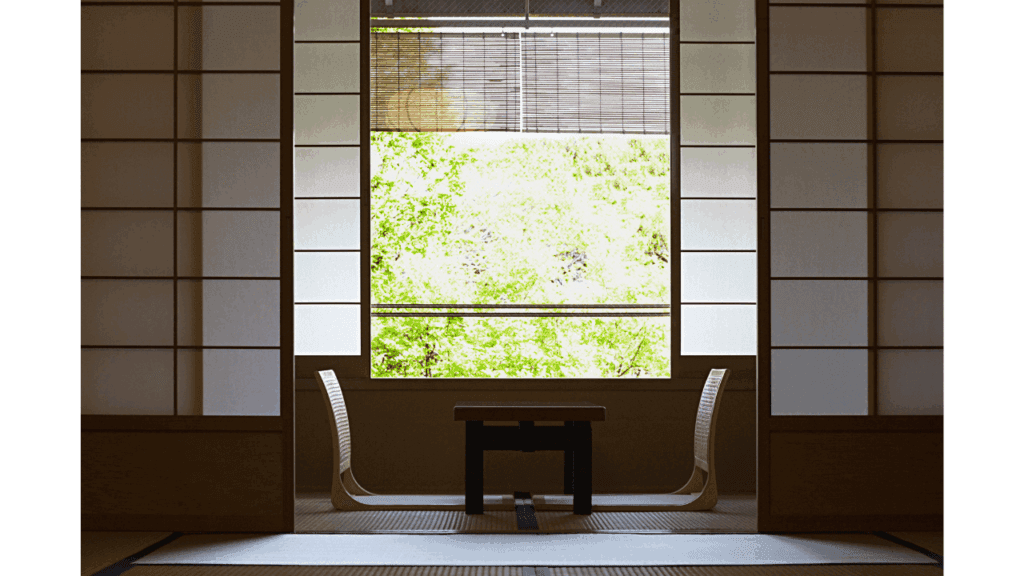
Japan offers a wide variety of accommodations, each providing a different way to experience the country.
For repeat visitors, choosing the right place to stay isn’t just about convenience — it’s about deepening your connection with Japan.
From the warmth of a family-run minshuku to the elegance of a ryokan or the fun of a capsule hotel, your choice of lodging can become the most memorable part of your journey.