Don’t know much about Japanese vessels? Let’s learn about names and usage from the basics!
When you sit down for a meal in Japan, one of the first things you’ll notice is the variety of tableware.
Each piece has its own name, role, and design, carefully crafted to make food look more beautiful.
In this guide, we’ll explore the types of Japanese tableware that every traveler should know.
- 🍚 Chawan (Rice Bowl)|The Heart of Every Japanese Meal
- 🍵 Yunomi (Teacup)|The Timeless Cup That Brings Comfort and Warmth
- 🥢 Kobachi (Small Bowls)|Tiny Dishes, Big Impact on Flavor
- 🍲 Shiru-wan (Soup Bowl)|Discover the Warmth of Lacquerware Magic
- 🍽️ Medium and Large plates|The Dynamic Centerpiece of Shared Dining in Japan
- 🍶 Sake Vessels|The Secret to Unlocking Japan’s Rice Wine Experience
- How Knowing Japanese Tableware Makes Dining 100× More Enjoyable
🍚 Chawan (Rice Bowl)|The Heart of Every Japanese Meal
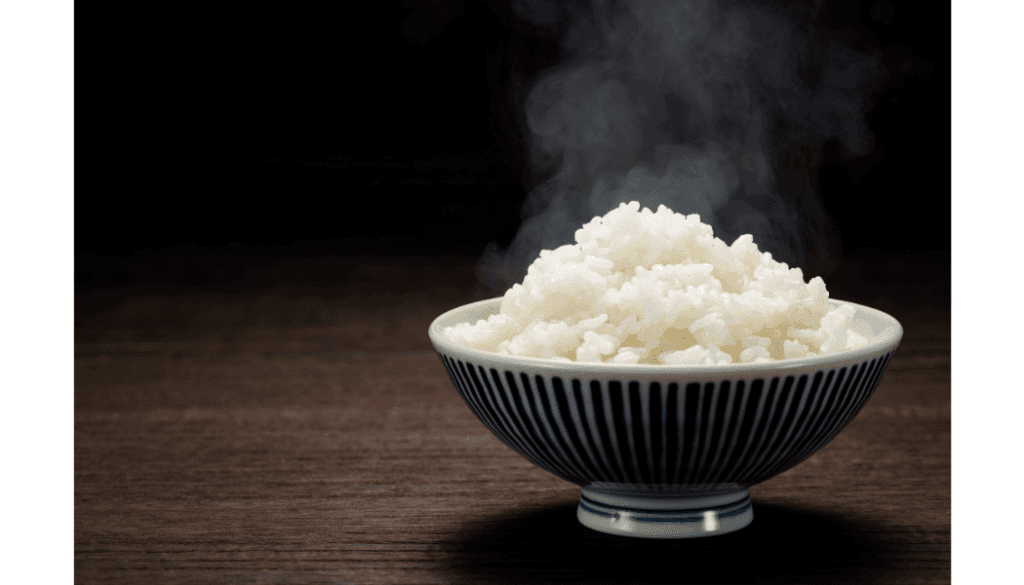
First, no Japanese meal is complete without a chawan, or rice bowl.
In Japan, “ocha-wan” usually refers to a small bowl for white rice.
It’s designed to fit comfortably in the hand, with simple patterns that highlight the rice itself.
Travel tip: each pottery region has unique styles—finding your own favorite can be a joyful part of your trip.
🍵 Yunomi (Teacup)|The Timeless Cup That Brings Comfort and Warmth
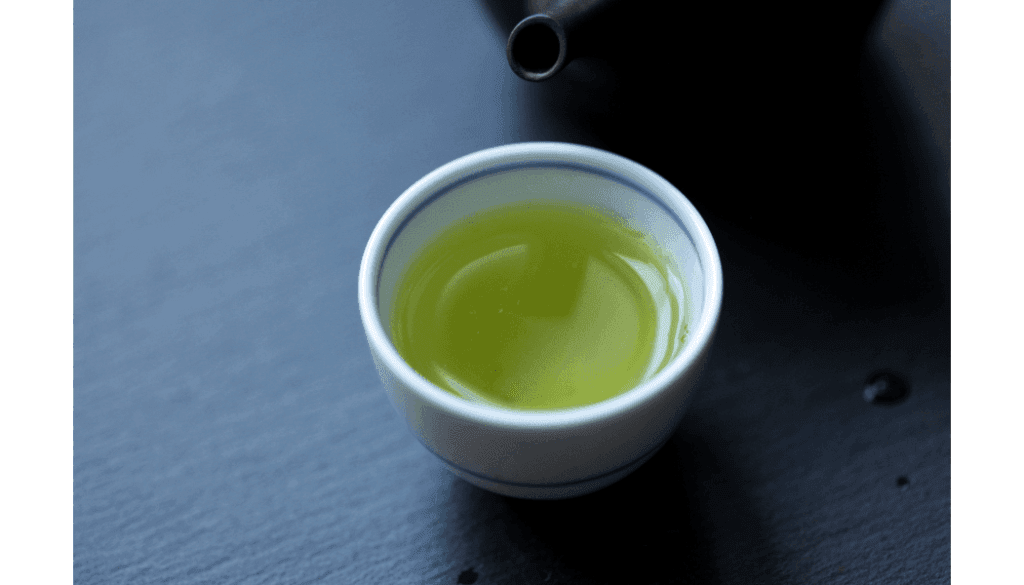
Next is the yunomi, a cup made specifically for drinking Japanese tea.
Unlike Western teacups, yunomi have no handle. You hold the cup directly, feeling the warmth in your hands as you sip.
They are also connected to Japan’s omotenashi (hospitality) culture, since tea is often served to guests.
🥢 Kobachi (Small Bowls)|Tiny Dishes, Big Impact on Flavor

Kobachi are small bowls used for side dishes such as pickles, simmered vegetables, or vinegared salads.
These dishes may not be the star of the meal, but they play an important role in balancing flavors and colors.
Kobachi come in many shapes and designs, adding color and variety to the dining table.
🍲 Shiru-wan (Soup Bowl)|Discover the Warmth of Lacquerware Magic
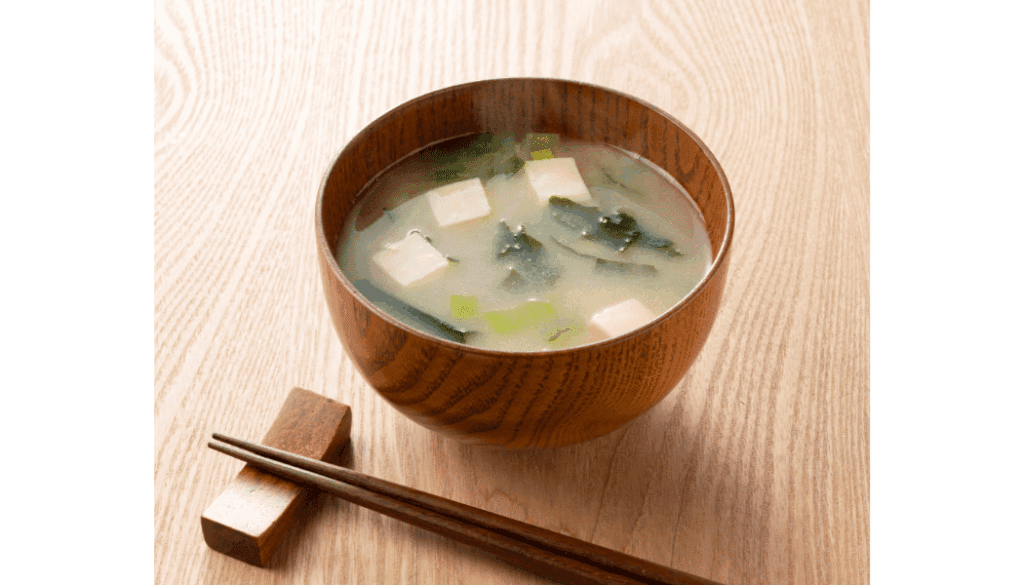
Equally essential is the shiru-wan, or soup bowl, usually made of lacquered wood.
Its design allows you to lift it directly to your lips when drinking miso soup or clear broth.
Because lacquerware is lightweight, durable, and water-resistant, it has been valued for centuries as both everyday tableware and a form of traditional Japanese craft.
Moreover, if a lacquer bowl breaks, it doesn’t need to be thrown away. Japan has a unique repair method called Kintsugi, where broken pottery is restored using lacquer and gold, turning it into an even more beautiful piece.

🍽️ Medium and Large plates|The Dynamic Centerpiece of Shared Dining in Japan
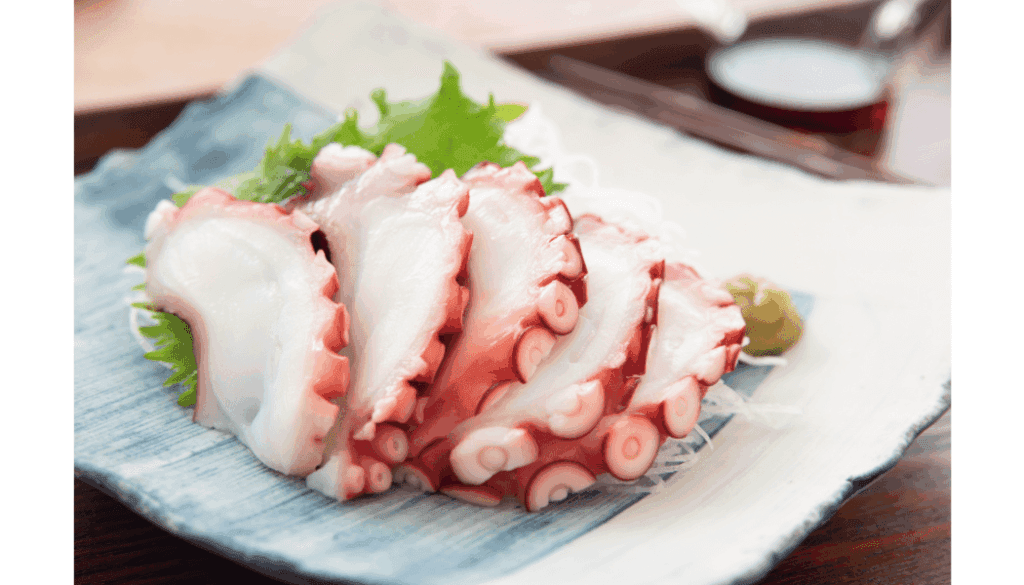
Medium and large plates are used for main dishes or sharing food at the table.
In Japanese dining culture, sharing dishes is common, so large plates are essential.
Here, presentation matters: the balance of space and the plate itself are considered part of the meal’s beauty.
🍶 Sake Vessels|The Secret to Unlocking Japan’s Rice Wine Experience
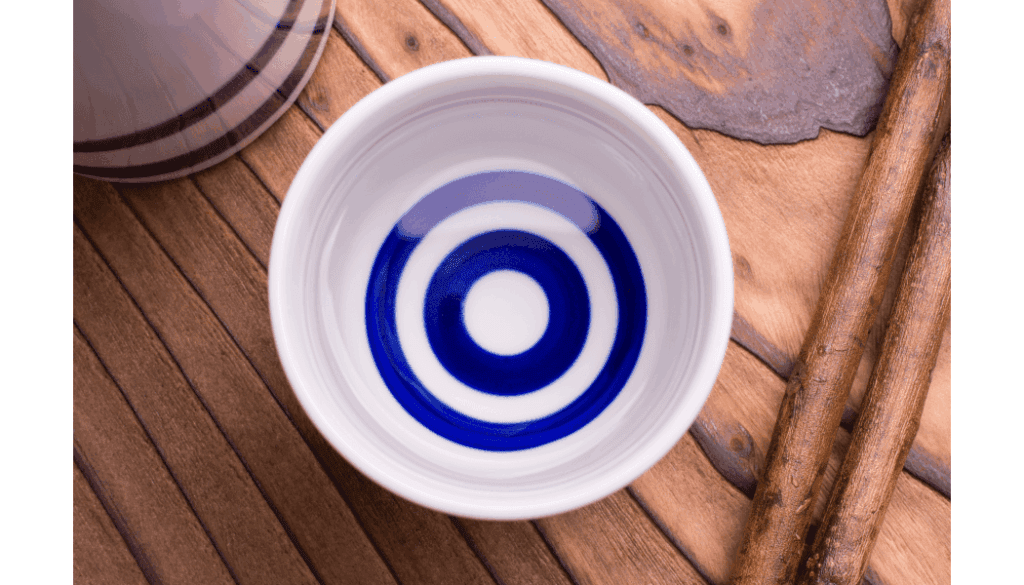
Finally, let’s not forget sake vessels, used for enjoying Japan’s traditional rice wine.
Typically, sake is poured from a tokkuri (carafe) into small cups called ochoko.
Depending on the season, sake may be served warm or chilled, and the vessel plays an important role in enhancing the experience.
How Knowing Japanese Tableware Makes Dining 100× More Enjoyable
From rice bowls and teacups to soup bowls, plates, and sake vessels, Japanese tableware is more than just dishes—it’s culture, history, and beauty on your dining table.
By understanding these essentials, you’ll not only enjoy your meals more, but also discover the perfect souvenir to take home.