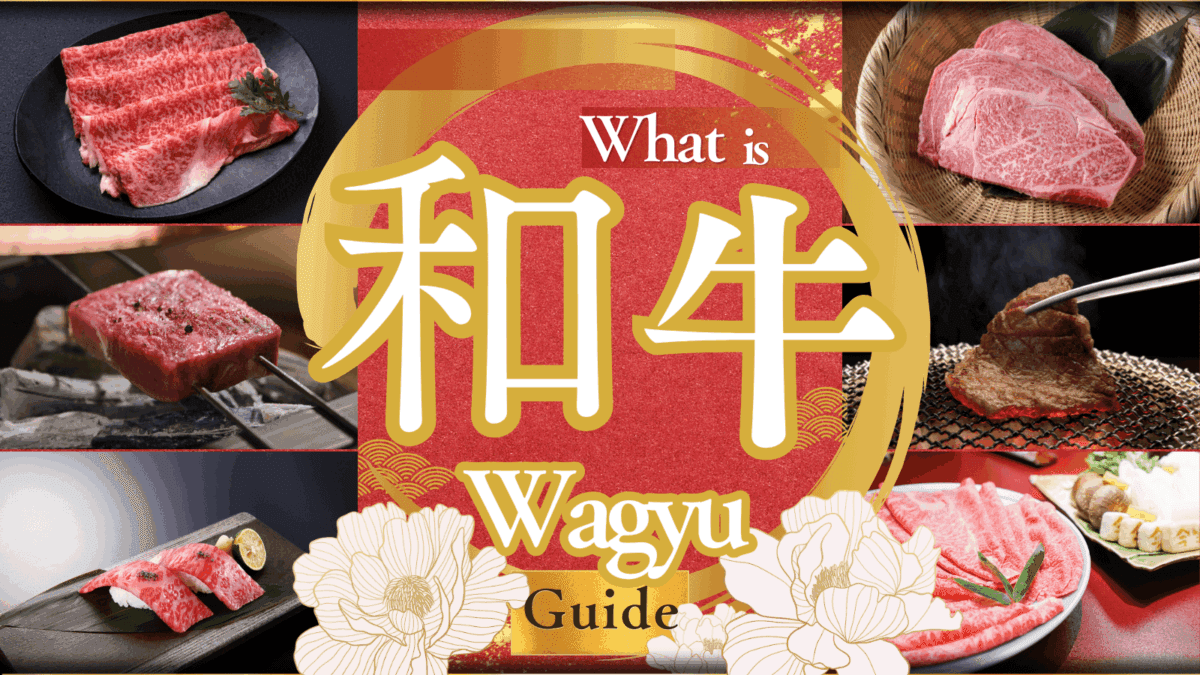
Discover Wagyu beef: Japan’s premium beef known for its marbling, sweet fat, and unique aroma. Learn the definition, grades, regional brands, and best ways to enjoy it.
Wagyu (Japanese beef) is often described by food connoisseurs around the world as a “must-try” delicacy. You’ll find the word “Wagyu” on steakhouse and sushi menus worldwide, but there is an important distinction between authentic Japanese Wagyu and the “Wagyu” produced overseas.
In this guide, we’ll explore the true definition of Wagyu, its grading system, the unique qualities of its marbled meat, and the best ways to enjoy it—whether in Japan or abroad.

What is Wagyu? Definition of Wagyu and the Difference from Overseas “Wagyu”
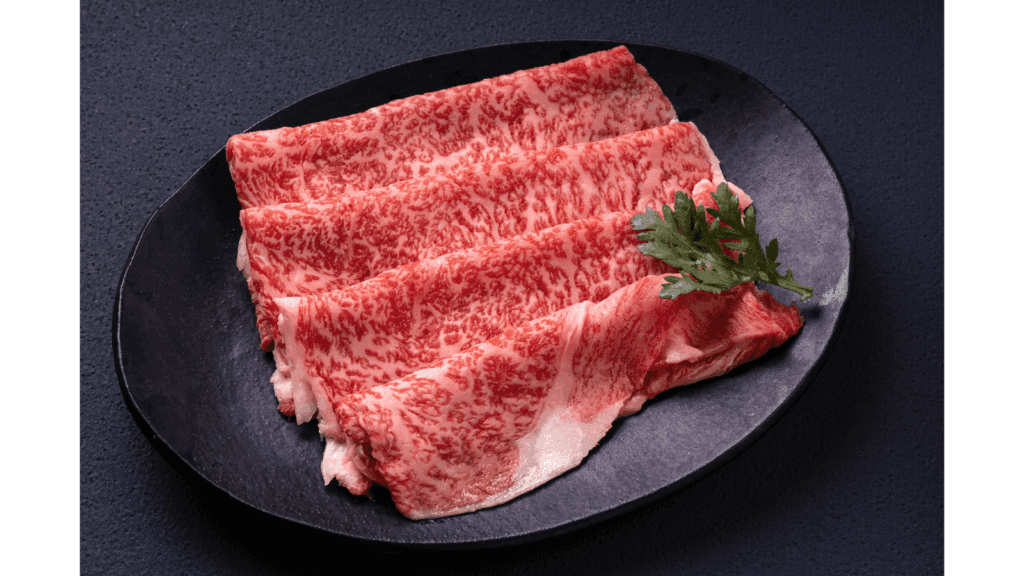
Wagyu beef refers to four native Japanese breeds: Kuroge Washu (Japanese Black), Akage Washu (Japanese Brown), Nihon Tankaku-shu (Japanese Shorthorn), and Mukaku Washu (Japanese Polled). Among them, Japanese Black is the most famous for its beautiful marbling and sweet, delicate fat.
Outside Japan, however, the term “Wagyu” often refers to crossbreeds rather than purebred cattle. In countries like the U.S. and Australia, Wagyu is frequently crossed with Angus or other breeds, producing beef that is delicious but distinct from authentic Japanese Wagyu in texture and flavor.
Meat Quality, Grading, and Raising Practices
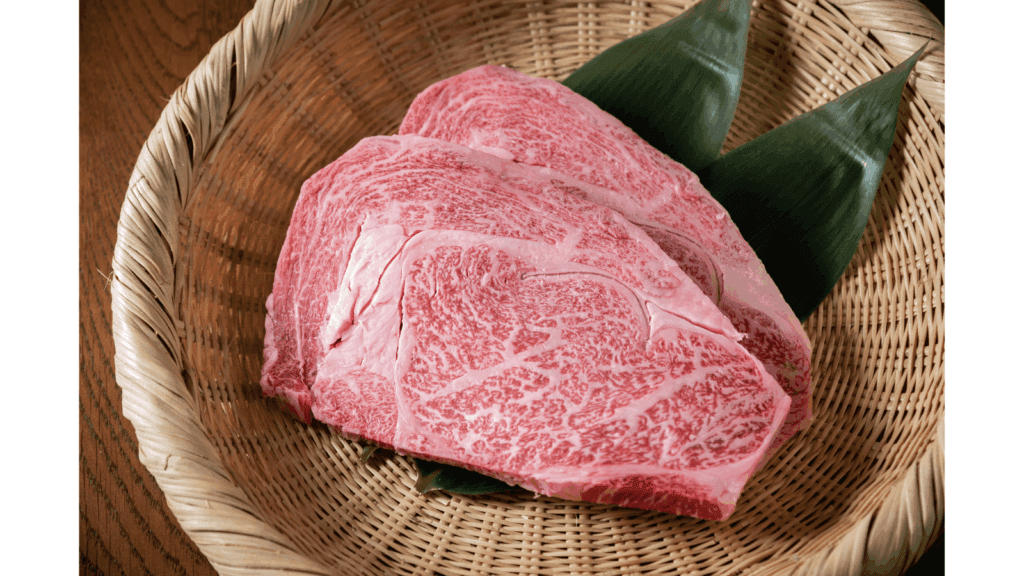
The hallmark of Wagyu is its exquisite marbling (sashi). Fine streaks of fat are interwoven within the lean meat, creating a marble-like pattern. This fat has a low melting point—so soft it begins to melt at body temperature. On the palate, it delivers a sweet, rich aroma that harmonizes beautifully with the savoriness of the lean meat.
Wagyu is graded by two systems: the yield grade (A–C) and the meat quality grade (1–5). The highest possible rank, A5, represents the pinnacle of Wagyu excellence.
Strict pedigree management and an individual identification number ensure traceability. Farmers raise Wagyu in low-stress environments, sometimes feeding them beer mash or brushing their coats to help them relax—careful practices that contribute to the beef’s extraordinary quality.
Wagyu Brands and Regional Differences
Japan boasts over 200 Wagyu brands, each shaped by local climate, feed, and traditions. Among the most famous are the “Big Three Wagyu”: Matsusaka Beef (Mie Prefecture), Kobe Beef (Hyogo Prefecture), and Omi Beef (Shiga Prefecture).
Other highly regarded varieties include Yonezawa Beef (Yamagata), Hida Beef (Gifu), and Miyazaki Beef (Kyushu). Each offers a unique expression of flavor and texture, allowing travelers to savor the diversity of Japan’s Wagyu culture.
How to Enjoy Wagyu Beef (Dishes & Where to Eat)

The best way to appreciate Wagyu is by pairing it with the right cooking style and setting:
- Steakhouse: Savor A5-grade Wagyu seared to perfection, seasoned simply with salt or wasabi.
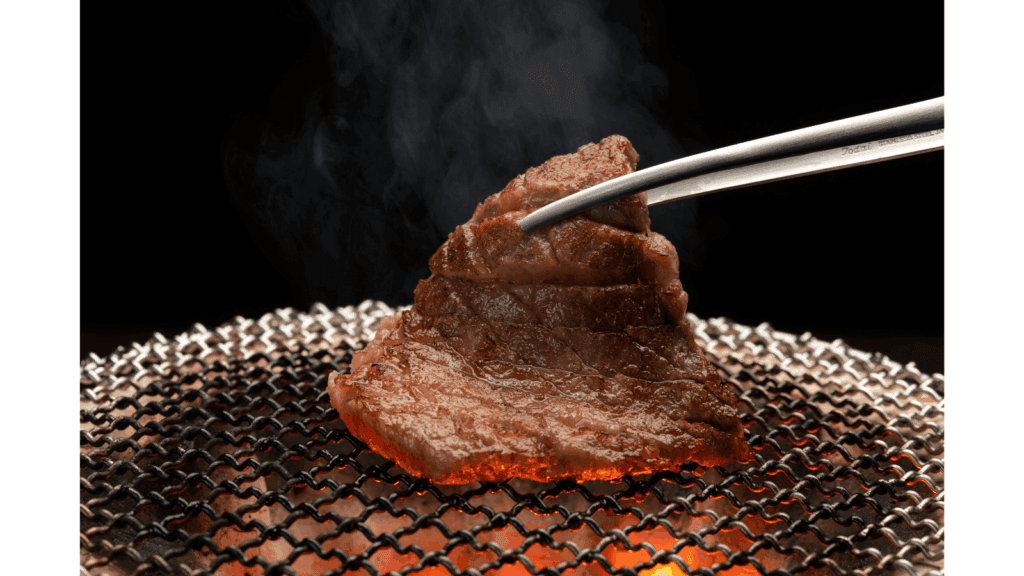
- Yakiniku (Japanese BBQ, nationwide): Order different cuts, from richly marbled short ribs (kalbi) to lean sirloin, and compare their flavors.
- Sukiyaki & Shabu-shabu (traditional restaurants such as Ningyocho Imahan in Tokyo or Mishimatei in Kyoto): Classic styles that highlight the sweetness of Wagyu fat.
- Farm-to-table restaurants in producing regions (Matsusaka, Kobe, Yonezawa, etc.): Enjoy brand Wagyu at its source for an unforgettable experience.
Wagyu (Japanese beef) can be enjoyed in many traditional styles—whether sizzling as a steak, grilled at a yakiniku restaurant, or simmered in comforting sukiyaki or shabu-shabu hotpots. While long-established restaurants in Tokyo or Kyoto offer a refined Wagyu dining experience, nothing compares to savoring the authentic local flavor at restaurants directly operated in the producing regions, such as Kobe, Matsusaka, or Yonezawa.
Pair your Wagyu meal with a glass of sake or a cup of Japanese tea to immerse yourself even deeper in the richness of Japanese food culture.


Why Wagyu Beef is Loved Around the World
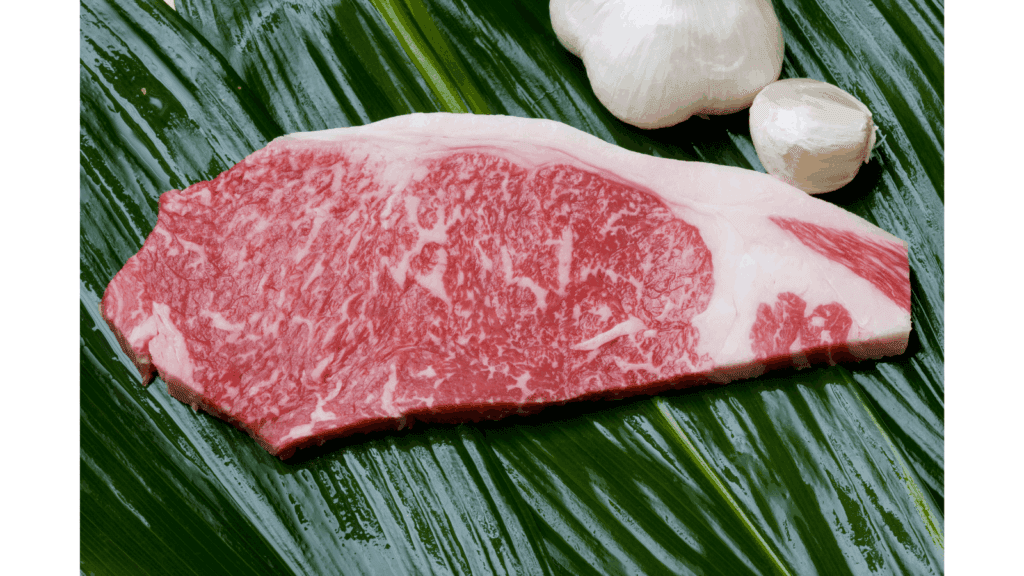
Wagyu beef has earned worldwide acclaim for its marbling, sweet fat, and distinctive aroma. Its quality is safeguarded by strict pedigree control, rigorous grading, and meticulous care in raising cattle.
Even if you’ve tried “Wagyu” abroad, tasting authentic Wagyu in Japan is a revelation—the texture, flavor, and aroma are truly unmatched. When visiting Japan, don’t miss the chance to experience this celebrated part of the nation’s culinary heritage.