Gyoza is one of Japan’s most beloved comfort foods. For many visitors, sushi and ramen may be the obvious must-tries, but Japanese gyoza has quickly joined the list, winning the hearts of locals and repeat travelers alike. Originally from China, it has evolved into a uniquely Japanese dish, enjoyed everywhere from izakaya pubs to specialty shops, with each region adding its own twist.
- What Is Gyoza?|Japan’s Take on the Beloved Dumpling
- Types of Gyoza|From Crispy Yaki to Juicy Sui and Beyond
- Gyoza Dipping Sauces|Classic Soy-Vinegar-Chili & Creative Twists
- Creative Gyoza Varieties|From Cheese & Curry to Dessert Dumplings!
- Japan’s Gyoza Cities|Utsunomiya, Hamamatsu, Kobe & Miyazaki
- The Gyoza Capital Showdown|Utsunomiya vs. Hamamatsu (and Miyazaki!)
- Why Try Gyoza in Japan?|A Must-Eat for Food Lovers & Travelers
What Is Gyoza?|Japan’s Take on the Beloved Dumpling
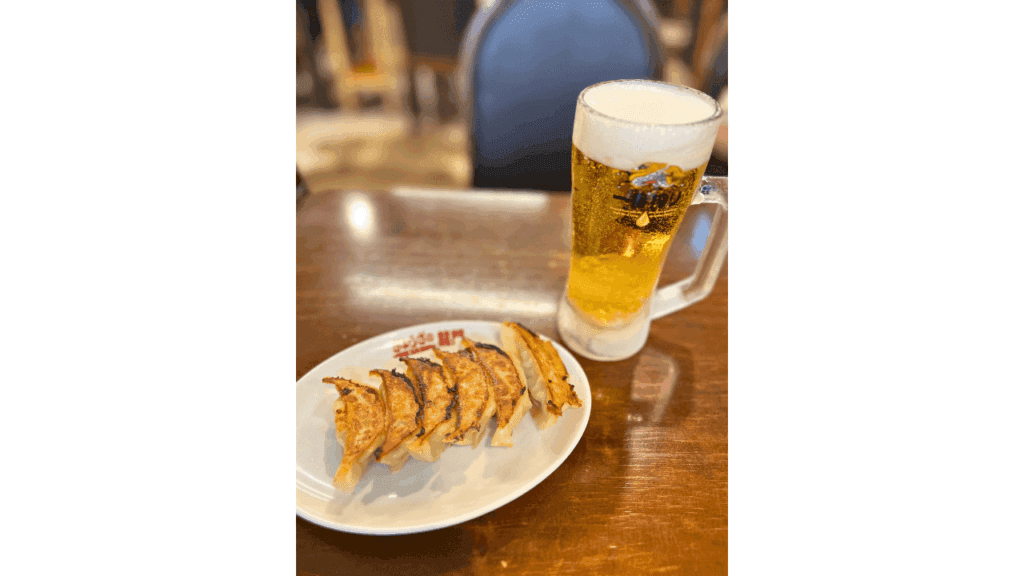
Gyoza are dumplings made with thin wheat flour wrappers, filled with a mixture of meat and vegetables, and cooked in various ways—pan-fried, boiled, steamed, or deep-fried. In Japan, the most common style is pan-fried gyoza (yaki-gyoza), known for its crispy bottom and juicy filling.
Types of Gyoza|From Crispy Yaki to Juicy Sui and Beyond
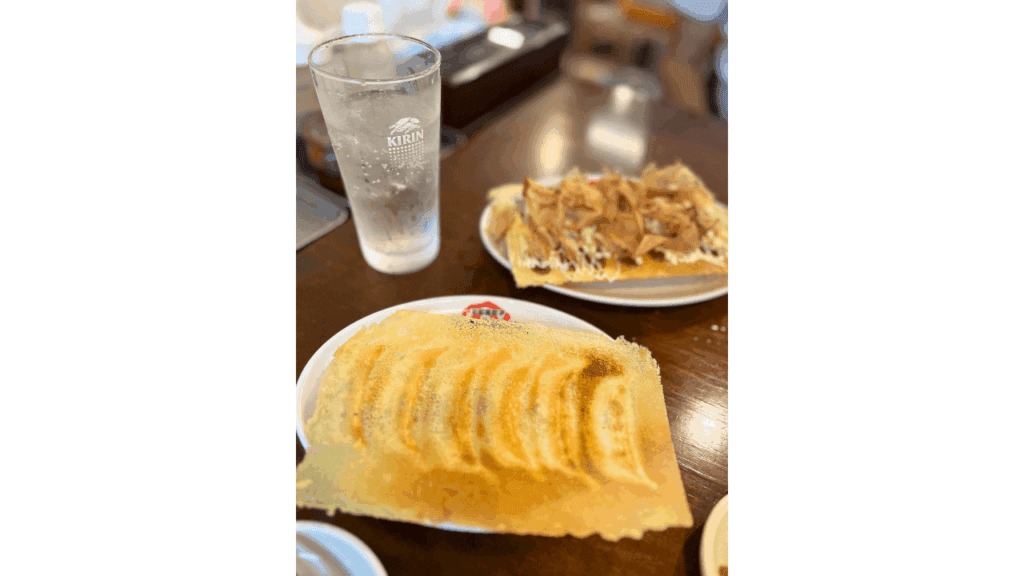
Japanese gyoza aren’t just pan-fried—they come in many styles, each with its own charm. From juicy boiled sui-gyoza to soft steamed dumplings, every version offers a new flavor experience. Sampling and comparing them is a must for travelers in Japan. Let’s look at the most common types of gyoza.
- Yaki-gyoza (pan-fried): Crispy on the outside, juicy inside—the most popular style in Japan.
- Sui-gyoza (boiled): Smooth and light, often served in soups.
- Mushi-gyoza (steamed): Soft and chewy, similar to dim sum.
- Age-gyoza (deep-fried): Crispy and golden, perfect with drinks.
Gyoza Dipping Sauces|Classic Soy-Vinegar-Chili & Creative Twists
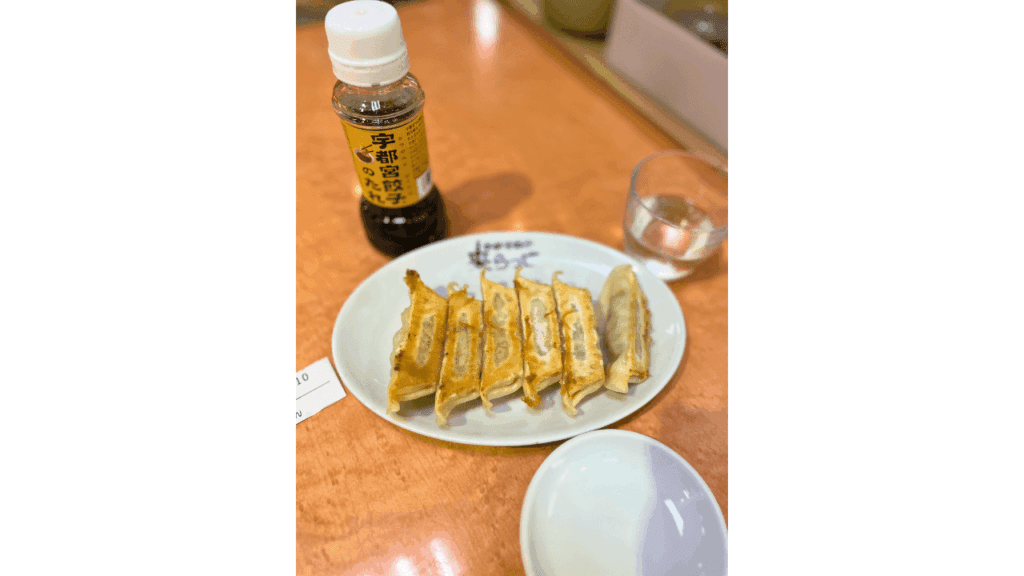
The traditional sauce is a mix of soy sauce, vinegar, and chili oil, but there are many other ways to enjoy gyoza. Some prefer the refreshing taste of vinegar alone or vinegar with black pepper. Others add a squeeze of lemon or yuzu kosho(a spicy citrus paste) for a modern twist. In certain restaurants, you may even find a special soy sauce made just for gyoza.
From elegant dishes to artistic chopstick rests, Japanese dining culture shines through every detail. Want to dive deeper? Our Japanese tableware guide reveals the beauty behind the meal.

Creative Gyoza Varieties|From Cheese & Curry to Dessert Dumplings!
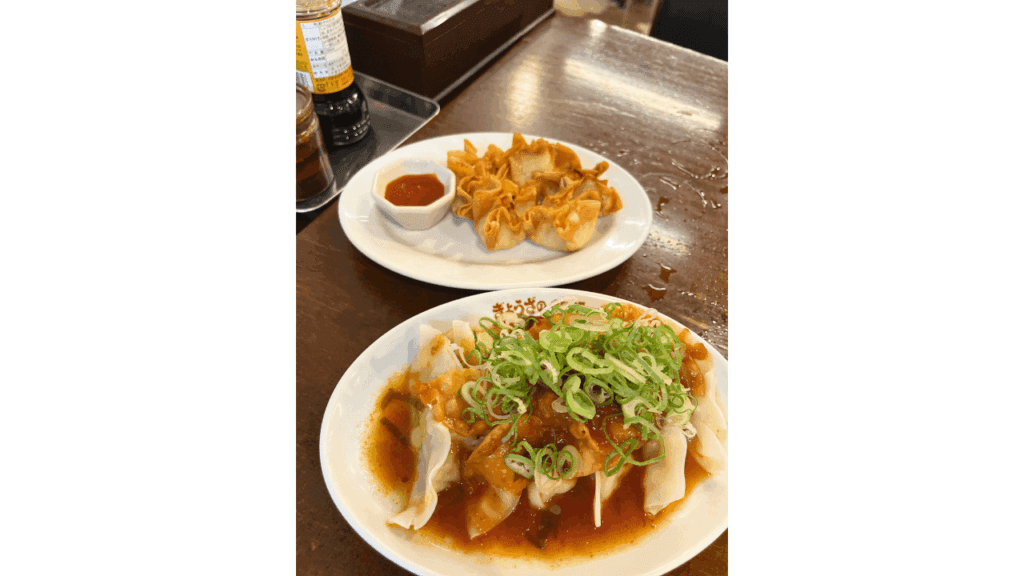
Beyond the classics, Japan is home to countless unique gyoza varieties. Some of the most popular include:
- Teba-gyoza: Gyoza filling stuffed inside chicken wings.
- Kimchi gyoza: Spicy and tangy, with Korean-inspired flavors.
- Cheese gyoza: Gooey cheese inside, or melted on top of the wrapper.
- Seafood gyoza: Made with shrimp, scallops, or crab—often found in port towns.
- Shiso gyoza: Wrapped with aromatic shiso leaves for a refreshing bite.
- Curry gyoza: Spiced with curry powder, perfect with beer.
- Mentaiko gyoza: Filled with spicy cod roe, a specialty in Fukuoka.
- Dessert gyoza: Sweet fillings like chocolate, banana, or red bean paste, popular at festivals and cafés.
Trying these creative gyoza is like going on a mini culinary adventure within Japan.
Japan’s Gyoza Cities|Utsunomiya, Hamamatsu, Kobe & Miyazaki
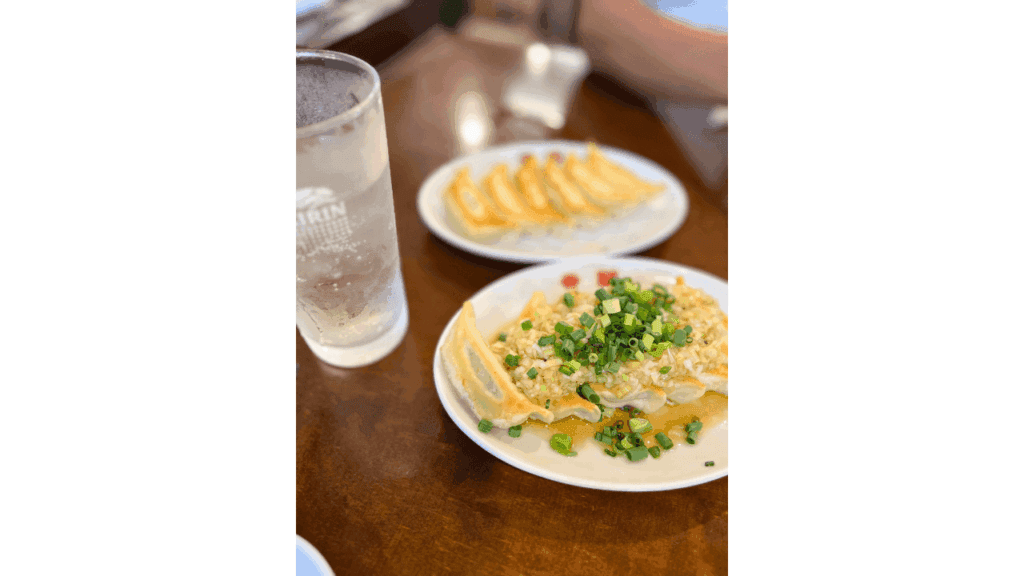
Many regions in Japan boast their own signature gyoza, shaped by local ingredients and traditions. A few cities are so famous that they are called “Gyoza Towns.” Here are some of the best-known examples:
- Utsunomiya Gyoza (Tochigi Prefecture)
With over 200 specialty restaurants, Utsunomiya is often called the “Gyoza Capital.” Its dumplings are light and vegetable-forward, and the city even hosts an annual gyoza festival. - Hamamatsu Gyoza (Shizuoka Prefecture)
Pan-fried in a circular shape with bean sprouts in the center, Hamamatsu gyoza are known for their perfect balance of pork and cabbage flavors. - Kobe Gyoza (Hyogo Prefecture)
Eaten with a unique miso-based dipping sauce, offering a rich and slightly sweet taste that pairs surprisingly well with fried dumplings.
Miyazaki Gyoza (Miyazaki Prefecture)
A rising star in the gyoza world, made with local pork and vegetables. Their crispy and fragrant flavor, enhanced by being fried in lard, has quickly gained nationwide popularity.
The Gyoza Capital Showdown|Utsunomiya vs. Hamamatsu (and Miyazaki!)
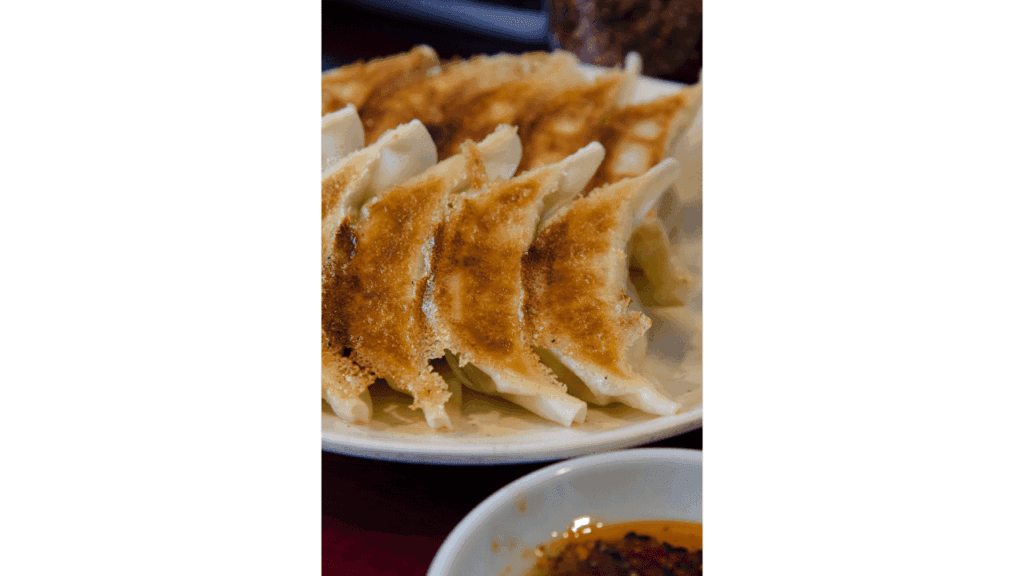
Every year, Japan’s Ministry of Internal Affairs releases statistics on household spending, including gyoza purchases. This has sparked a long-running rivalry between Utsunomiya and Hamamatsu, each competing for the title of “Japan’s No.1 Gyoza City.”
When one city reclaims the crown, locals celebrate with pride; when the other wins, it makes headlines. Recently, Miyazaki has also entered the competition, heating up the three-way race.
The rankings are based on average household spending on gyoza, making it a quirky yet fascinating way to see how much certain cities love this dish.
Why Try Gyoza in Japan?|A Must-Eat for Food Lovers & Travelers
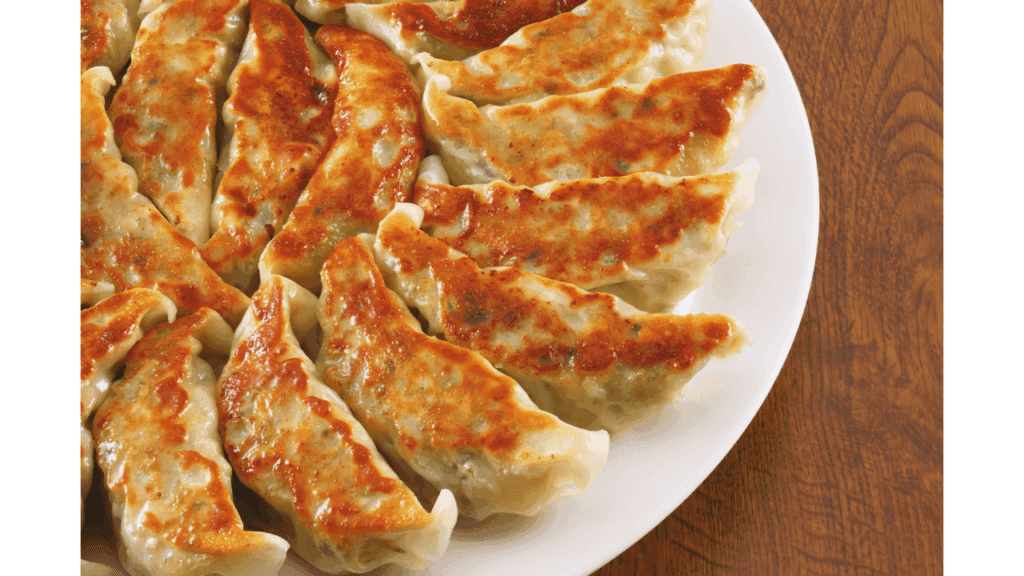
You can find gyoza almost anywhere: ramen shops, izakaya, department store food halls, and even as takeout snacks. From the classic garlic-filled style to innovative variations, gyoza offers endless flavors to explore.
For repeat travelers to Japan, sampling local gyoza is a delicious way to connect with regional culture. They’re perfect for sharing, making every gyoza outing a fun and social experience.
On your next trip to Japan, why not use gyoza as your gateway to discovering the country’s diverse food culture?