Japan’s train network is famous for its punctuality, cleanliness, and coverage-but for many travelers, buying the right ticket can feel confusing at first. Whether you’re a first-time visitor trying to get from Tokyo to Kyoto, or a repeat traveler exploring local lines, this guide will help you navigate Japan’s ticket machines, IC cards, and rail passes with ease.
Understanding Japan’s Train System
Japan has several types of train operators:.
- JR (Japan Railways): The largest network, covering most of the country including the Shinkansen (bullet train).
- Private Railways: Companies like Odakyu, Keio, Tokyu, Hankyu, and Kintetsu connect regional and suburban areas.
- Subways and Local Lines: Found in major cities like Tokyo, Osaka, and Kyoto.
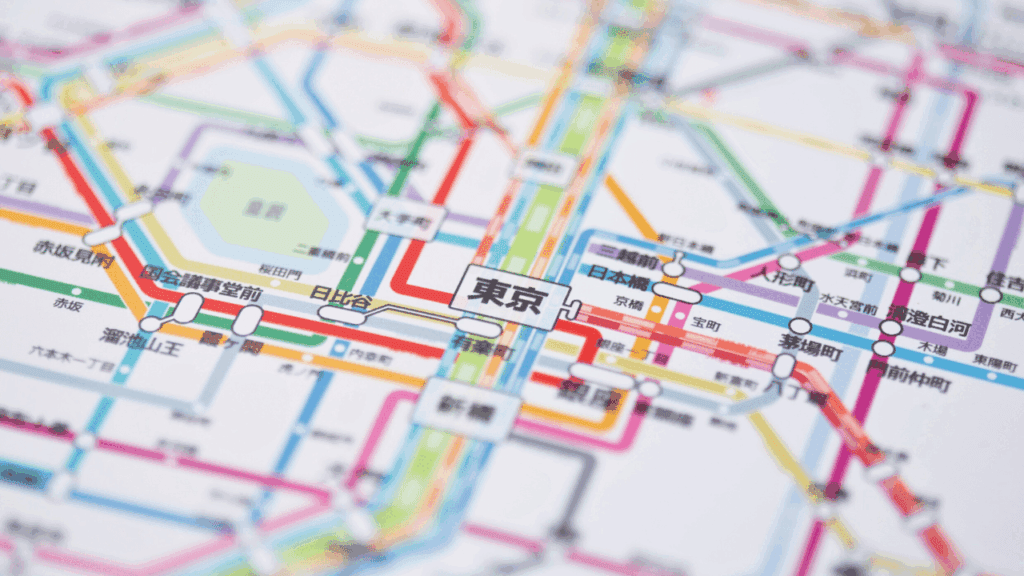
Each company may have its own ticket machines and pricing systems, which is why travelers often get confused.
Note on child fares: In Japan, children aged 6 to 11 generally pay half the adult fare, while children under 6 can usually travel for free if they don’t need their own seat. The Japan Rail Pass also offers a child version (ages 6-11) at half the adult price. When purchasing tickets or IC cards, make sure to request a child ticket if you’re traveling with kids.
Buying Tickets from Machines
You’ll find ticket machines in every station.
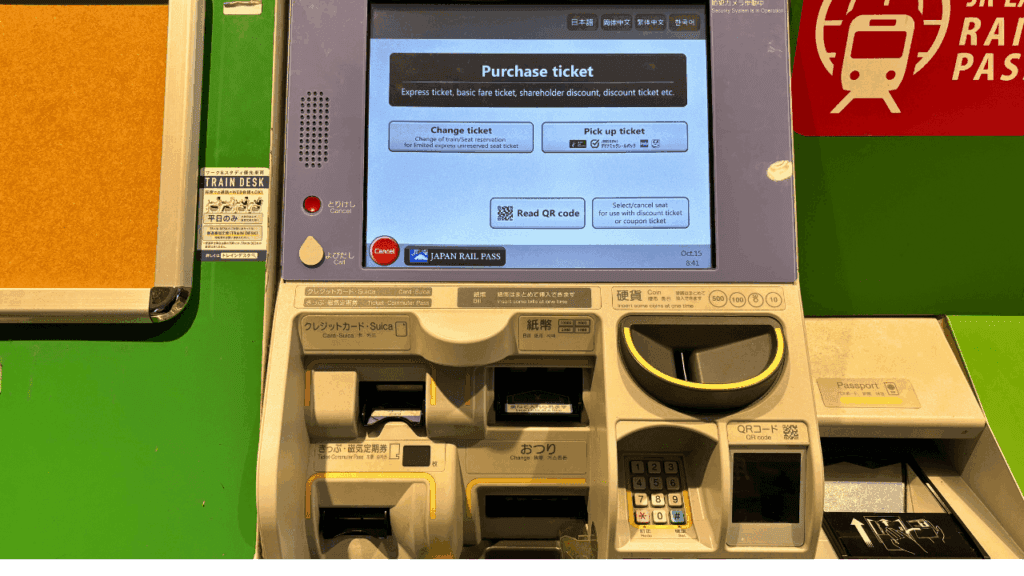
- Touch “English” on the screen.
- Select your destination or the fare amount shown on the route map above the machines.
- Insert cash or card (Visa/Mastercard accepted in larger stations).
- The machine prints your ticket-keep it until you exit the station!
Tip: If you’re unsure of the fare, buy the cheapest ticket and pay the difference at the Fare Adjustment Machine near the exit gates.
Using IC Cards (Suica, Pasmo, ICOCA, etc.)
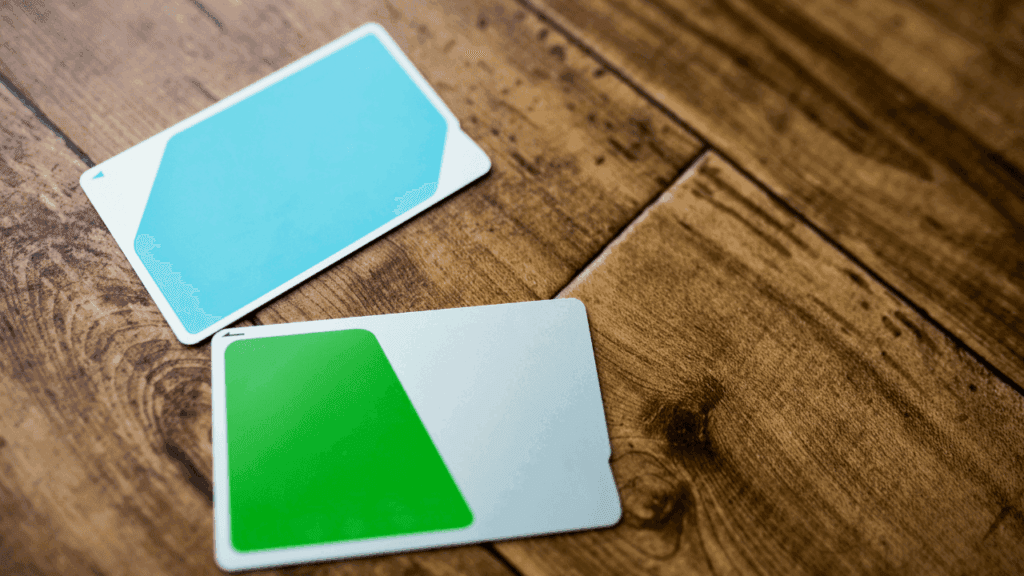
IC cards are rechargeable smart cards you can simply tap on the ticket gate-no need to buy individual tickets every time you ride. They’re extremely convenient for trains, buses, and even shopping at convenience stores.
Across Japan, several railway companies issue their own IC cards-such as Suica, Pasmo, ICOCA, and others-but in practice, they all work almost the same way. Thanks to Japan’s nationwide interoperability system, you can use nearly any IC card on trains and buses throughout the country, regardless of where you purchased it.
What You Can Do with an IC Card
- Tap in/out at train and subway gates
- Use on buses, monorails, and trams
- Pay at convenience stores, vending machines, and cafés
- Recharge easily at ticket machines or convenience stores
Note: A ¥500 deposit is required when issuing a physical IC card, but digital versions like Mobile Suica or Mobile Pasmo (via Apple Wallet or Google Pay) don ‘t require any deposit and can be recharged directly from your smartphone.
Reserved Seats & Long-Distance Travel
For Shinkansen or Limited Express trains, you can:.
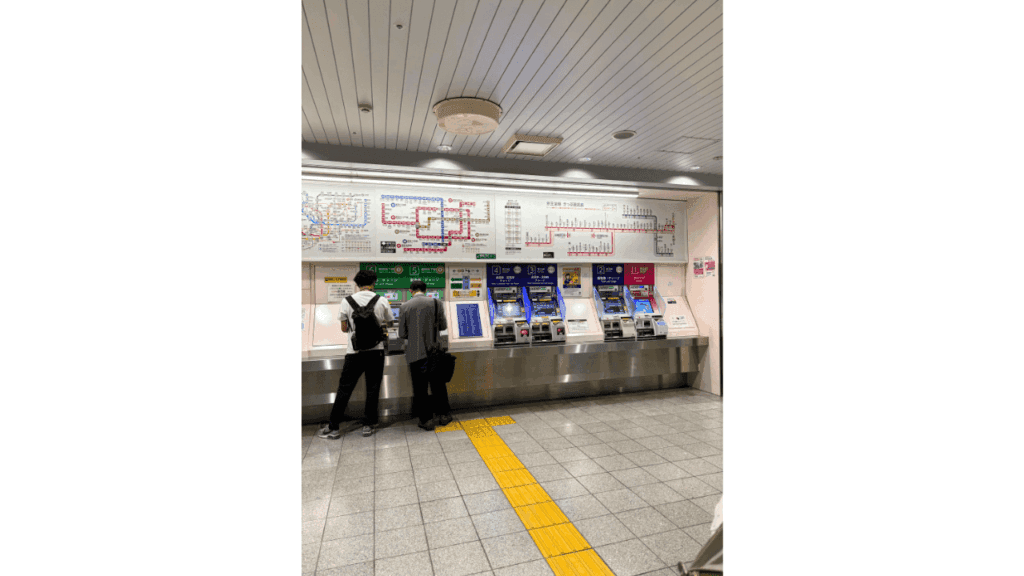
- Buy tickets at JR Ticket Offices (Midori-no-Madoguchi)
- Use the ticket machines labeled “Reserved Seat Ticket”.
- Or book online through official JR websites
If you have a Japan Rail Pass, you can reserve seats for free at any JR office.
Note: The Japan Rail Pass is valid only on JR-operated trains (including most Shinkansen lines). It does not cover private railways, subways, or non-JR buses.
Other Passes & Discount Tickets
Besides the JR Pass, many local railway companies offer 1-day unlimited ride passes and regional discount tickets. These are perfect if you plan to travel around a specific city or area.
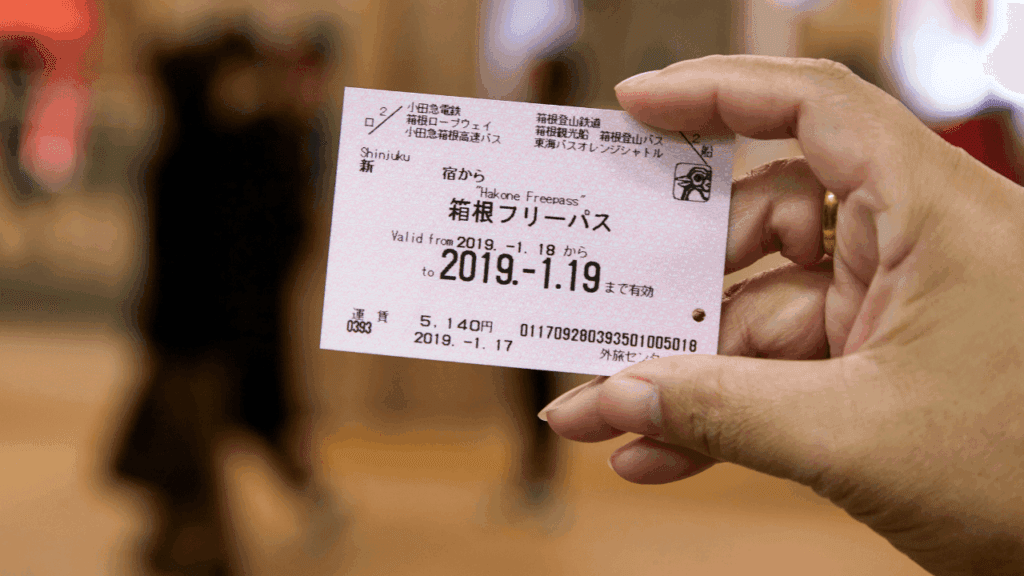
- Tokyo Subway Ticket (valid on all Tokyo Metro & Toei lines)
- Osaka Amazing Pass (includes trains and attractions)
- Kyoto-Osaka Sightseeing Pass (Hankyu or Keihan)
- Hakone Freepass (for Odakyu lines and local transport around Hakone)
Each pass covers different networks, so choose one that fits your route and travel style.
💡 Tip: If you’re primarily traveling within one area, these regional passes can be cheaper and more flexible than a national JR Pass.
Compare Costs: Pass vs. Pay-as-You-Go
If you’re unsure whether a day pass or IC card is better, you can easily compare prices using online route planners. destinations to calculate total fares and see if a 1-day pass will save money.
Useful Fare Comparison Tools
Google Maps
Displays route, time, and estimated fare.
👉Try Google Maps
Japan Travel by NAVITIME
Includes fare totals, transfer info, and available rail passes.
👉 Open NAVITIME Route Search
Jorudan Norikae Annai
A Japanese route planner with English mode. Great for fare accuracy.
👉 Check Jorudan (English)
Want to make travel in Japan even smoother? Check out our Japan Travel Apps Guide for the best apps to navigate trains, maps, and language barriers.
Which Ticket Type Is Best for You?
Choosing between a single ticket, IC card, 1-day pass, or Japan Rail Pass depends on how far and how often you plan to travel. Here’s a simple comparison to help you decide:
| Type | Best For | Pros | Cons |
|---|---|---|---|
| Single Ticket | Short one-way trips | – Simple and no setup required – Available at every station – Good for occasional travelers | – Must buy a new ticket each time – No discounts |
| IC Card (Suica, Pasmo, ICOCA, etc.) | City transport and short regional trips | – Tap and go – no need to buy tickets – Works on trains, buses, and shops – Recharge easily, available on phones | – Requires ¥500 deposit (physical only) – Small fee for refunds – No travel discounts |
| 1-Day or Regional Pass | Exploring within one city or area | – Unlimited rides for 1 day (or more) – Often includes sightseeing discounts – Great for full-day sightseeing | – May not cover all lines – Not worth it for short rides – Must plan your route to get value |
| Japan Rail Pass (JR Pass) | Long-distance intercity travel | – Unlimited rides on JR trains and most Shinkansen – Reserved seats included – Excellent for cross-country trips | – JR only – private lines not covered – Must buy before arrival (for most travelers) – Not ideal for city-only travel |
If your trip includes multiple cities (Tokyo → Kyoto → Hiroshima), the Japan Rail Pass saves the most. If you’re staying mainly in Tokyo, Osaka, or Kyoto, a 1-day or regional pass plus an IC card is usually more convenient and flexible.
Etiquette & Useful Tips
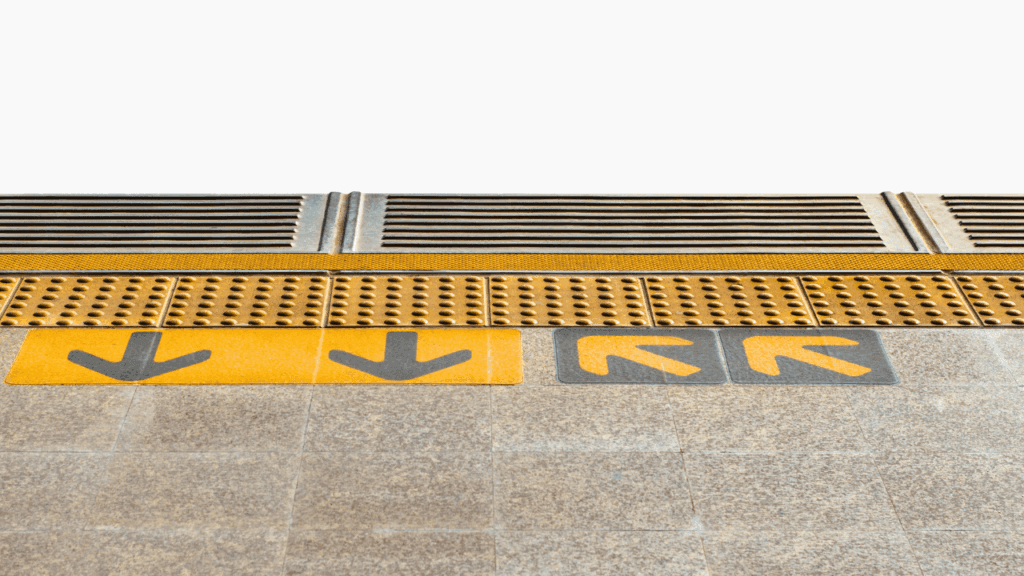
- Queue politely when boarding; follow the arrows on the platform.
- Keep your ticket or IC card handy to avoid blocking gates.
- Avoid talking loudly or eating inside commuter trains.
- Use apps to check routes and fares in real time.
For more cultural insights, read our Japan Travel Etiquette|10 Golden Rules Every Traveler Should Know.

Summary
Japan’s train system may seem complex, but once you understand ticket types and how to use IC cards, it becomes one of the easiest and most Whether you’re riding the Shinkansen across Honshu or hopping on a local tram in Hiroshima, you ‘ll experience Japan’s efficiency at its best.
Need some simple Japanese for your journey? Learn 20 essential travel phrases in our Japanese Travel Phrases Guide.