- Winter in Japan — A Season of Light, Warmth & Reflection
- 1. Winter Illuminations Across Japan
- 2. Year-End Festivals & Traditional Rituals
- 3. Winter Foods to Warm the Heart
- 4. Snowy Landscapes & Hot Springs
- 5. New Year’s Eve & Temple Bells
- 6. Year-End Scenes & New Year Preparations
- Winter Travel Tips Summary
- Why December Is a Beautiful Time to Visit Japan
Winter in Japan — A Season of Light, Warmth & Reflection
December in Japan is a month when autumn’s colors fade into the stillness of winter.
Cities glow with festive lights, mountain villages grow quiet under the snow,
and shrines prepare for the year’s final rituals.
For travelers visiting Japan in winter, this is a season of contrasts —
light and silence, celebration and contemplation.
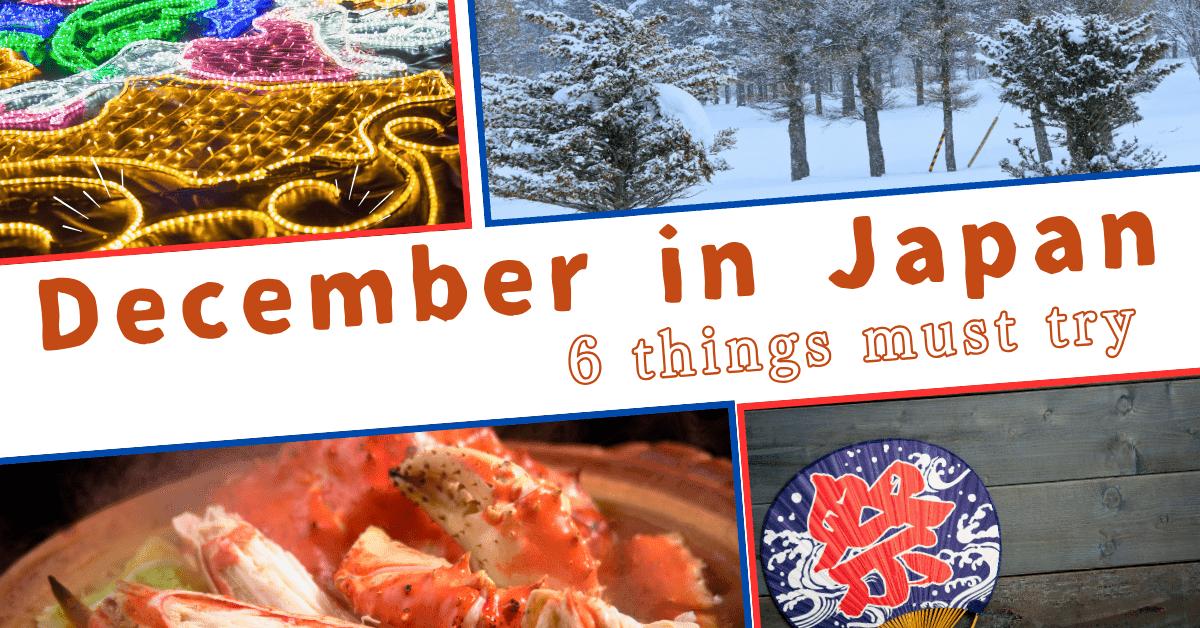
Here are six uniquely Japanese experiences to enjoy during December —
from sparkling illuminations to heartwarming winter foods and timeless festivals.
1. Winter Illuminations Across Japan
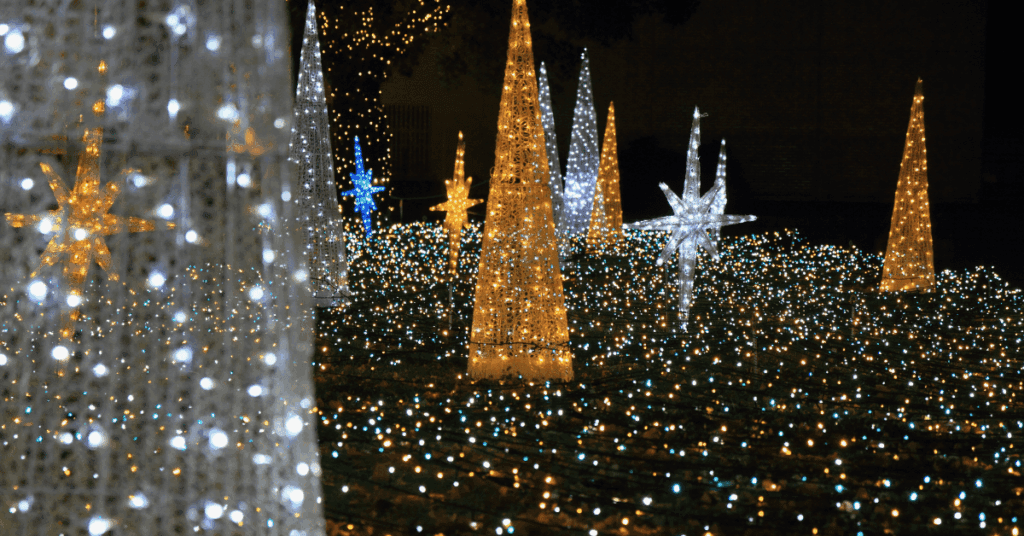
Tokyo’s Omotesando and Marunouchi avenues shine with millions of lights,
and Osaka’s Midosuji dazzles with colorful street trees.
But beyond the big cities, Japan’s countryside hosts its own breathtaking light displays —
each telling a different story of winter.
- Sapporo White Illumination (Hokkaido)
A magical combination of snow and light in Odori Park.
The main venue glows from late November to December 25,
while other areas continue through February.
Bring a windproof coat and gloves — the northern air is crisp and beautiful. - Sendai Pageant of Starlight (Miyagi)
100,000 golden bulbs transform Jozenji-dori into a tunnel of light.
It’s known for its warm, community-run atmosphere — the very spirit of Tohoku hospitality.
Easy access from Sendai Station; runs early December to month’s end. - Nabana no Sato (Mie)
One of Japan’s largest illumination parks, featuring light tunnels and themed gardens.
The event lasts from mid-October to late May,
but during Dec 23–25, timed-entry tickets are required.
A short trip (about 40 minutes) from Nagoya by train and bus. - Ashikaga Flower Park “Flower Fantasy” (Tochigi)
A romantic mix of flowers and lights, reflected in ponds and trellises.
Named one of Japan’s Top Three Illuminations, open mid-October to mid-February.
Perfect for a winter day trip from Tokyo. - Sagamiko Illumillion (Kanagawa)
Nestled in the hills of Sagamihara, this “forest of light” features millions of LEDs.
Running Nov–May, the panoramic view from the Ferris wheel is breathtaking.
Tripods are often restricted — visit on weekday evenings or right after lighting starts for fewer crowds.
2. Year-End Festivals & Traditional Rituals
While city lights shine bright, Japan’s December also glows with ancient fire and prayer.
These winter festivals express both gratitude and renewal —
perfect for travelers seeking a deeper cultural experience.
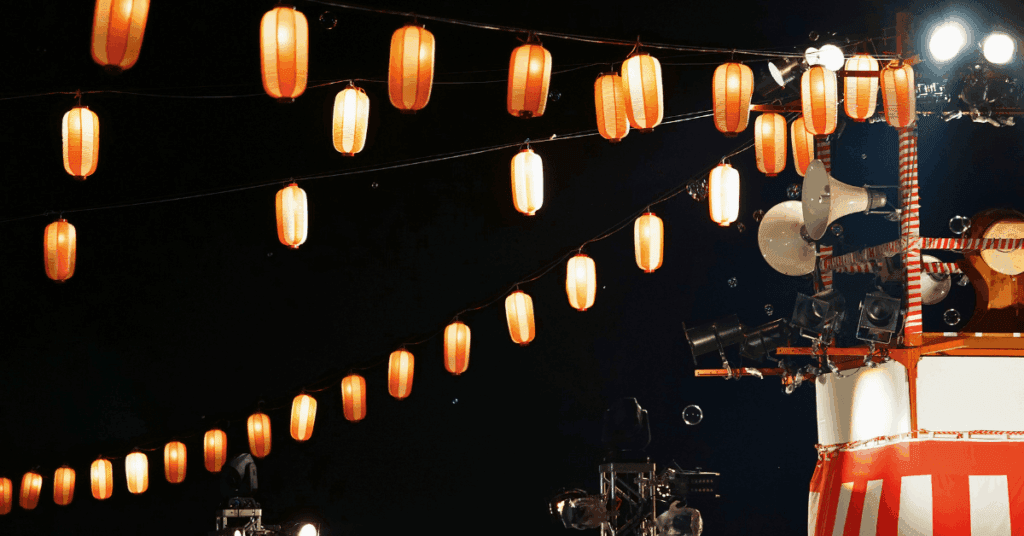
Chichibu Night Festival (Saitama) — Dec 2–3
One of Japan’s Three Great Float Festivals, held at Chichibu Shrine.
Six massive floats parade through the night, lanterns glowing and drums echoing,
culminating in a spectacular fireworks display under the cold winter sky.
Access: About 2 hrs from Ikebukuro by Seibu Railway. Arrive early to avoid heavy crowds.
Kasuga Wakamiya On-Matsuri (Nara) — Dec 15–18
Dating back over 900 years, this sacred festival honors the deity of Kasuga Taisha’s Wakamiya Shrine.
Samurai and courtiers in traditional costume parade through Nara’s old streets,
with classical music, dance, and solemn Shinto rituals.
It feels like stepping into a Heian-era picture scroll.
Highlight: Don’t miss the Owatari-shiki procession on Dec 17.
Koga Chochin-Sao Momi Festival (Ibaraki) — Dec 6, 2025
Held in Koga City, Ibaraki Prefecture, this “Fire and Lantern Festival” is one of Japan’s eccentric festivals (kisai).
Men carry 10-meter bamboo poles topped with paper lanterns,
clashing and twisting them together amid flying sparks — a thrilling winter spectacle.
This fiery tradition has continued for over 300 years.
Tip: A 10-minute walk from JR Koga Station. Try local foods like motsu stew and yakisoba from the festival stalls.
Akihasan Fire Festival (Shizuoka) — Dec 15–16
Devoted to the Mountain God of Fire Protection,
worshippers climb Akihasan Mountain at night carrying torches,
creating rivers of flame in the dark forest.
Drums echo through the mountains — a hauntingly beautiful sight of devotion.
Access: About 60 minutes by car from Hamamatsu-Hamakita IC (Shin-Tomei Expressway).
Public transport is limited — plan ahead.
Daikon Boiling (Kyoto) — Dec 7–8
At temples like Senbon Shakado (Daihōonji),
large cauldrons of simmering daikon radish are served to visitors,
believed to ward off illness and bring good health for the new year.
The temple grounds fill with gentle steam and the fragrance of comfort —
a humble yet deeply symbolic winter scene.
Tip: Visit in the morning to avoid crowds.
3. Winter Foods to Warm the Heart
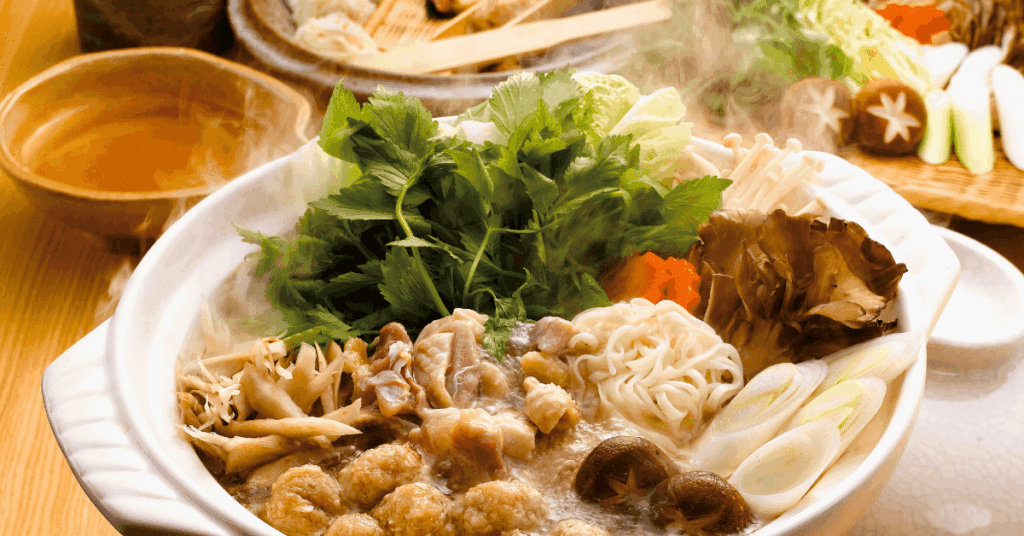
When the air turns crisp, Japan’s cuisine turns comforting.
- Nabe (Hot Pot) — Japan’s favorite winter meal: sukiyaki, shabu-shabu, oden, or regional styles like kiritanpo in Akita.
- Crab Season (Zuwaigani, Kobako-gani) — Northern Japan’s seafood highlight, best in Kanazawa and Kinosaki Onsen.
- Citrus Fruits (Mikan, Yuzu) — Try fruit picking in Setouchi or Wakayama.
- Winter Wagashi (Sweets) — Kyoto confectioners release yuzu yokan and snow mochi in limited winter editions.
Hot pots and crabs are at their peak from December to February. Look for local delicacies at local markets and taverns.
👉 Read more in our full guide:The Complete Guide to Japanese Hot Pots (Part 1)

4. Snowy Landscapes & Hot Springs
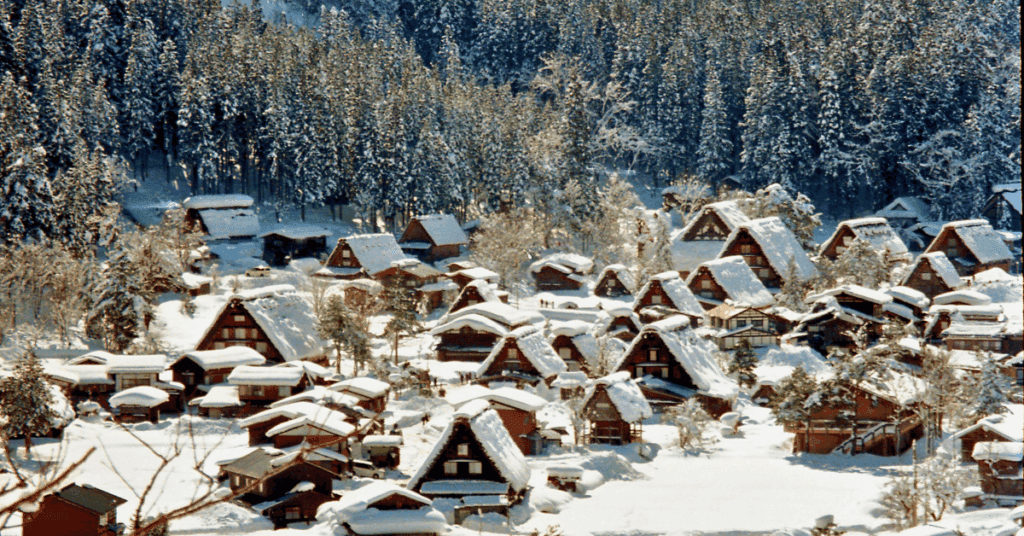
From mid-December, snow begins to blanket Japan’s northern and mountain regions.
- Zao Onsen (Yamagata) — early “snow monsters” (ice-coated trees) appear, with steaming outdoor baths below.
- Okuhida Onsen (Gifu) — five rustic hot spring towns surrounded by snowy peaks.
- Matsunoyama Onsen (Niigata) — one of Japan’s three great medicinal hot springs, perfect for a quiet retreat.
- Niseko (Hokkaido) — ski season opens mid-December with world-famous powder snow.
Travel Tip: Waterproof boots and heat packs are must-haves.
Explore during daylight hours for safety and beautiful photos.
5. New Year’s Eve & Temple Bells
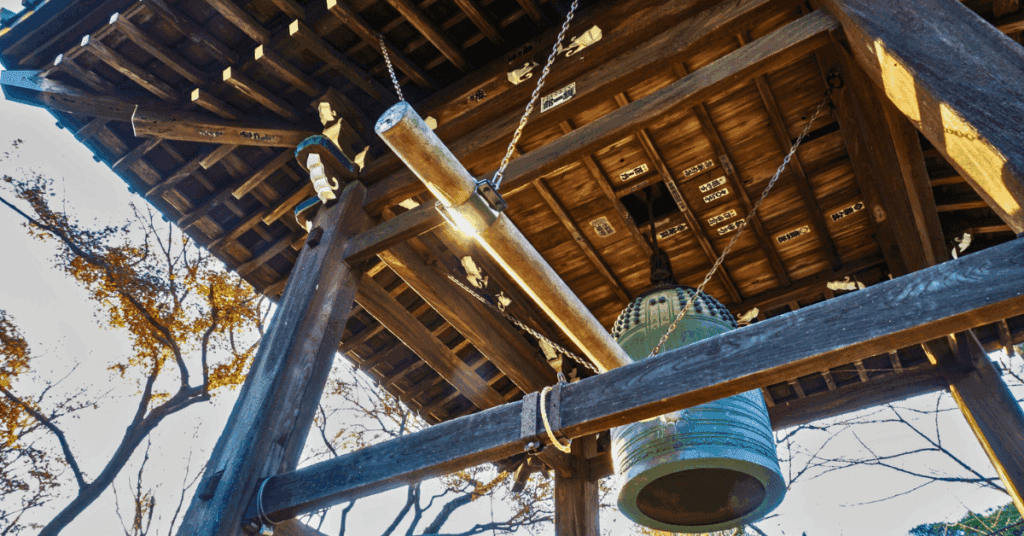
December 31 (Ōmisoka) marks a calm yet profound celebration in Japan.
Families eat toshikoshi soba (year-end noodles),
and temples ring bells 108 times to cleanse worldly desires.
- Joya no Kane at temples like Chion-in (Kyoto) and Engaku-ji (Kamakura).
- Oke-ra Mairi at Yasaka Shrine — carry sacred fire to welcome the New Year.
- Tokyo’s Zojoji and Asakusa Temples also host countdown events leading into the first shrine visits (hatsumōde)
Traffic will be congested at the end of the year, so staying at a hotel or near a temple is recommended.
After 23:00, some public transportation will be in temporary operation.
Before visiting shrines and temples,
see our guide: “Shrine & Temple Etiquette You Should Know”

6. Year-End Scenes & New Year Preparations
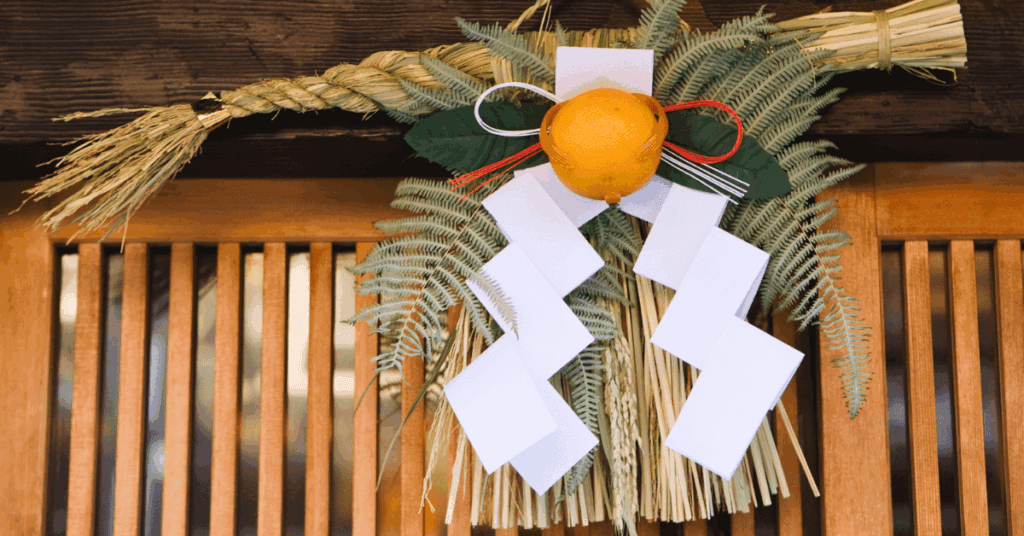
As December progresses, Japan shifts into New Year mode:
- Year-End Markets: Tokyo’s Setagaya Boro-ichi (Dec 15–16) sells antiques and traditional crafts.
- House Cleaning (Ōsōji) — a symbolic cleansing before the new year.
- Kadomatsu & Shimenawa: festive pine and rope decorations adorn shops and shrines.
- Food Markets: places like Nishiki Market (Kyoto) and Kuromon Ichiba (Osaka) bustle with locals preparing osechidishes.
Tip: Many shops close between Dec 29–Jan 3 — check schedules in advance.
Winter Travel Tips Summary
| Category | Advice |
|---|---|
| Temperature | Tokyo: 5–15 °C; northern regions often below freezing. |
| Clothing | Layered outfits: coat, scarf, gloves. Indoor heating is strong. |
| Transport | Year-end trains and flights are crowded — book early. |
| What to Pack | Heat packs, foldable umbrella, waterproof shoes, lip balm. |
| Closures | Some museums close for New Year’s holidays; temples and shrines stay open. |
Why December Is a Beautiful Time to Visit Japan
Rather than busy sightseeing, December offers a chance to slow down —
to feel Japan’s quiet beauty in the glow of lights, the warmth of food,
and the deep spirituality of its year-end traditions.
It’s a season of serenity, gratitude, and renewal.