- Why the New Year Means So Much to Japanese People
- Year-End Preparations|Cleaning, Decorations & Nengajo Cards
- New Year’s Eve (O-misoka)|The Final Night of the Year
- New Year’s Day (Ganjitsu)|Hatsumode & Osechi Cuisine
- Ozoni & Otoshidama|New Year’s Flavors and Family Traditions
- Travel & Business Hours During the New Year
- Experiencing the Meaning of the Japanese New Year
Why the New Year Means So Much to Japanese People
For Japanese people, New Year’s (Oshogatsu) is the most important celebration of the year — not just a long holiday, but a sacred time to welcome the “Toshigami,” the deity who brings good fortune for the coming year.
Families gather, homes are purified, and hearts are refreshed with gratitude and new hopes for the year ahead.
The New Year is seen as a time to “reset the spirit.”
It’s when daily life slows down, family connections are renewed, and people take time to reflect on the past and prepare for the future.
Year-End Preparations|Cleaning, Decorations & Nengajo Cards
As the year draws to a close, households across Japan carry out O-soji, a thorough cleaning to sweep away bad energy and make the home ready to welcome the Toshigami deity.
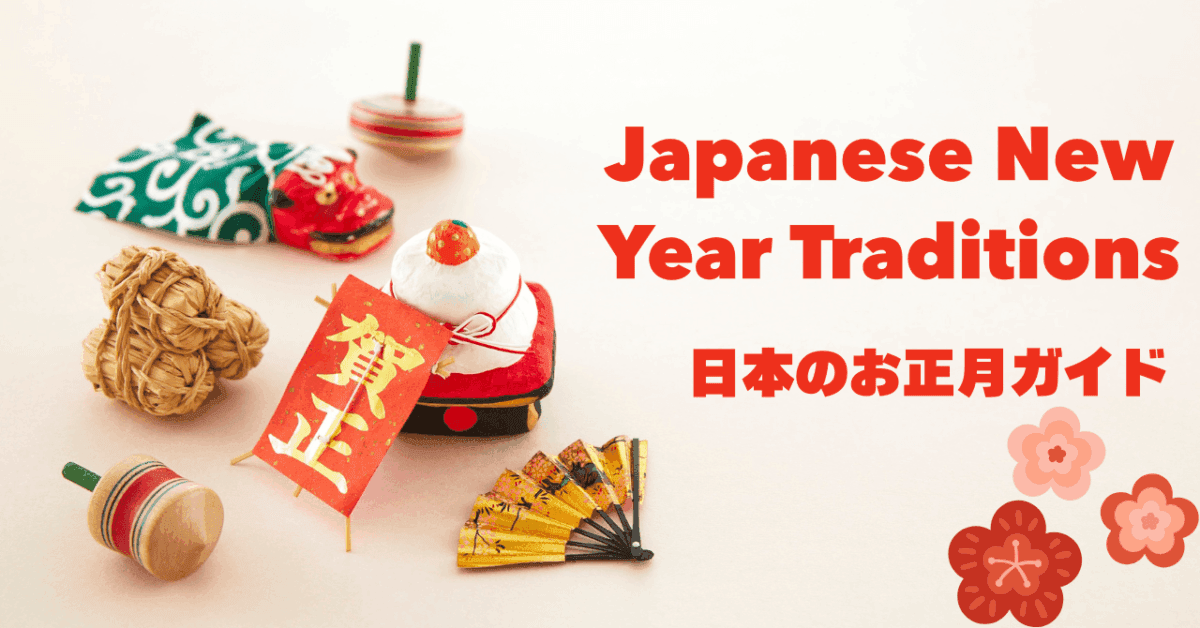
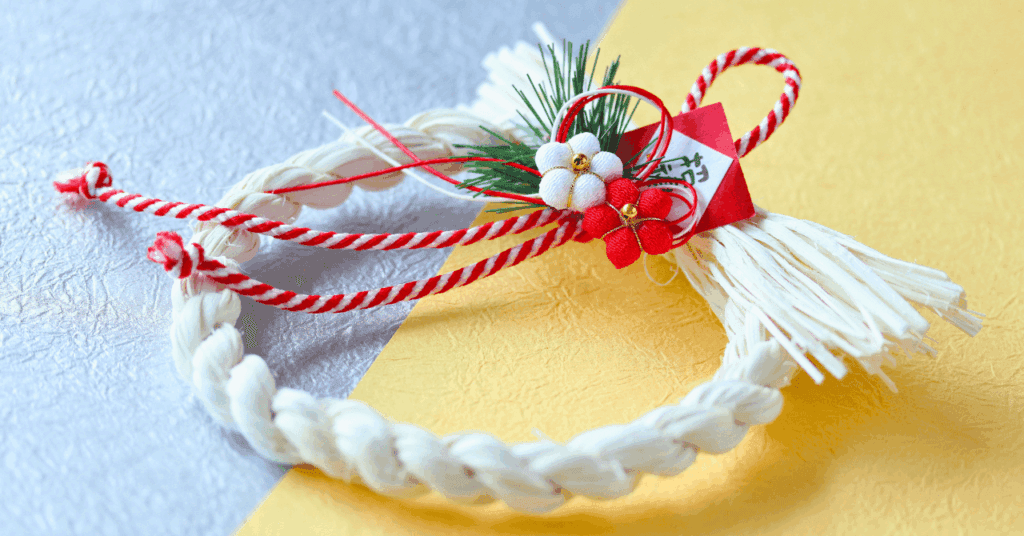
After cleaning, families decorate their entrances with Kadomatsu (pine decorations) and hang Shimekazari (sacred ropes) inside the home, while offering Kagami Mochi (stacked rice cakes) to the gods.

- Kadomatsu welcomes the gods to your home.
- Shimekazari marks a purified space.
- Kagami Mochi symbolizes harmony and completeness.
These decorations express Japan’s refined sense of beauty and the spirit of hospitality toward the divine.
Another important custom is sending Nengajo, New Year’s greeting cards.
People write heartfelt messages or photos to express gratitude and share updates with friends, relatives, and colleagues.
While handwritten cards remain popular, digital and photo-based designs have become common in recent years.

New Year’s Eve (O-misoka)|The Final Night of the Year
December 31, or O-misoka, is a quiet, reflective evening when families look back on the year together.
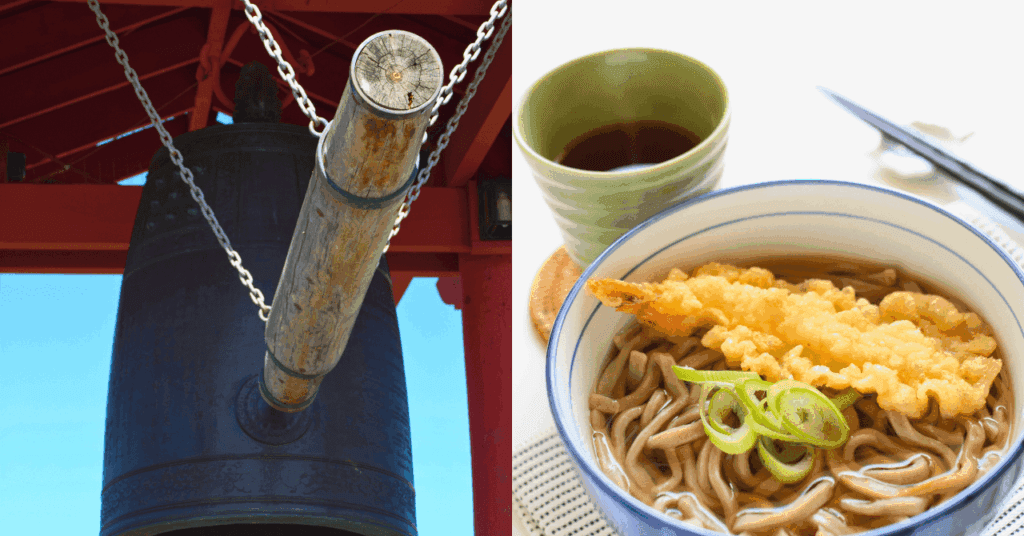
At midnight, temples across Japan ring their bells 108 times in a ceremony called Joya no Kane, symbolically cleansing people of worldly desires.
The night wouldn’t be complete without Toshikoshi Soba — buckwheat noodles eaten to wish for long life and good fortune.
In eastern Japan, it’s usually a simple soy-based broth, while in Kyoto and Osaka, sweet nishin soba (with herring) is popular.
New Year’s Day (Ganjitsu)|Hatsumode & Osechi Cuisine
January 1 begins quietly across Japan, with families gathering at home to share Osechi Ryori, traditional dishes packed with symbolic meanings for good fortune and health in the new year.
Osechi Cuisine
Each food item carries a wish for happiness. For example:
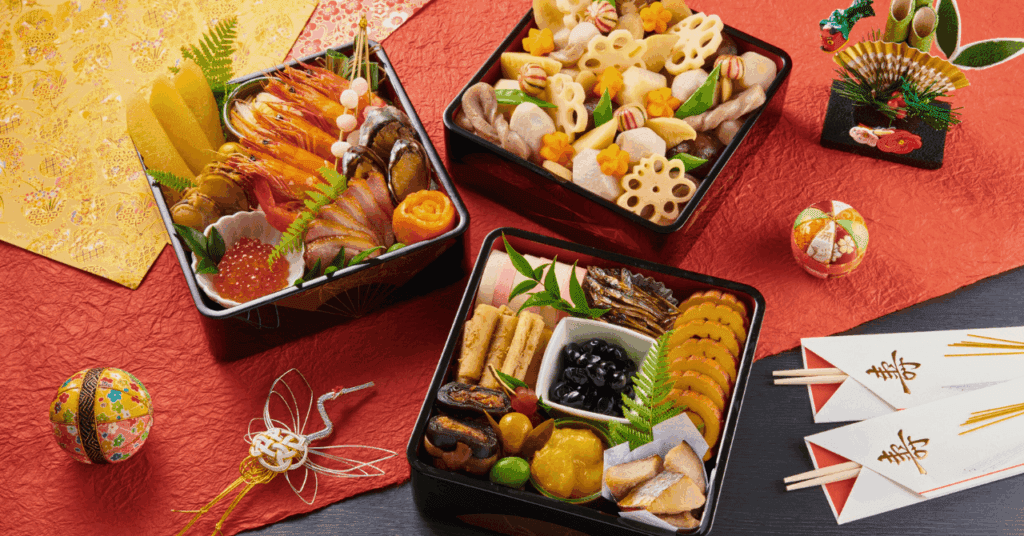
- Black beans for health and diligence.
- Herring roe for prosperity and fertility.
- Sweet rolled omelet (Datemaki) for wisdom.
- Dried sardines (Tazukuri) for good harvests.
- Chestnut paste (Kurikinton) for wealth.
The dishes are beautifully arranged in stacked boxes, symbolizing the layering of good fortune.
Today, many people enjoy both traditional and modern versions — sometimes even French- or Western-style Osechi.
Hatsumode|Welcoming the Year at Shrines
After the first sunrise of the year, millions visit temples and shrines for Hatsumode, the first prayer of the year.
They offer wishes, buy lucky charms, and draw omikuji fortunes for guidance.
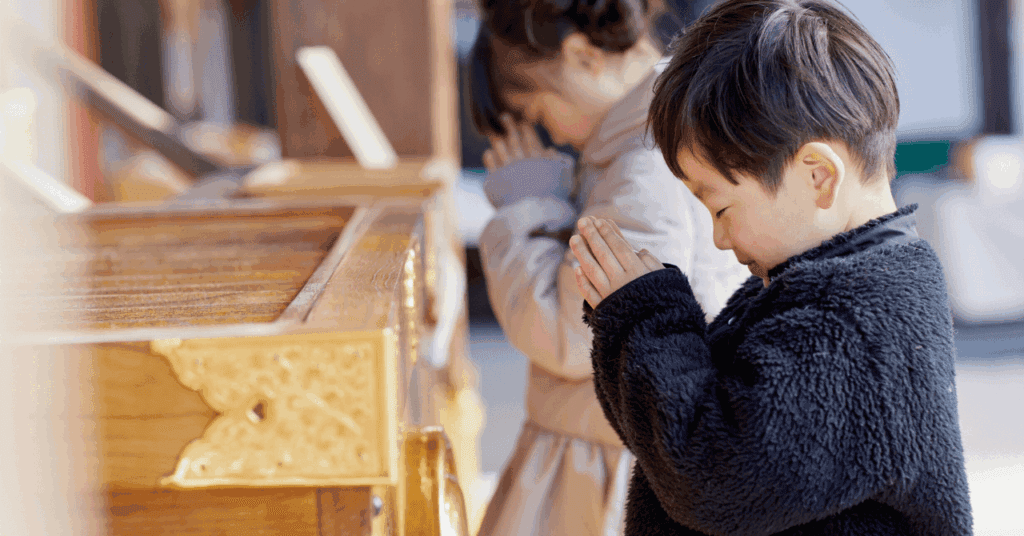
Major spots include Meiji Jingu in Tokyo, Fushimi Inari Taisha in Kyoto, and Kasuga Taisha in Nara.
Many shrines are open all night from New Year’s Eve, and crowds gather to celebrate the countdown to the new year within the shrine grounds — a powerful and spiritual experience.


Ozoni & Otoshidama|New Year’s Flavors and Family Traditions
Ozoni Soup
A warm soup with mochi rice cakes, Ozoni is a must-have for the Japanese New Year.
Recipes vary by region — soy-based clear broth with grilled mochi in Tokyo, and white miso with round mochi in Kyoto, for instance.
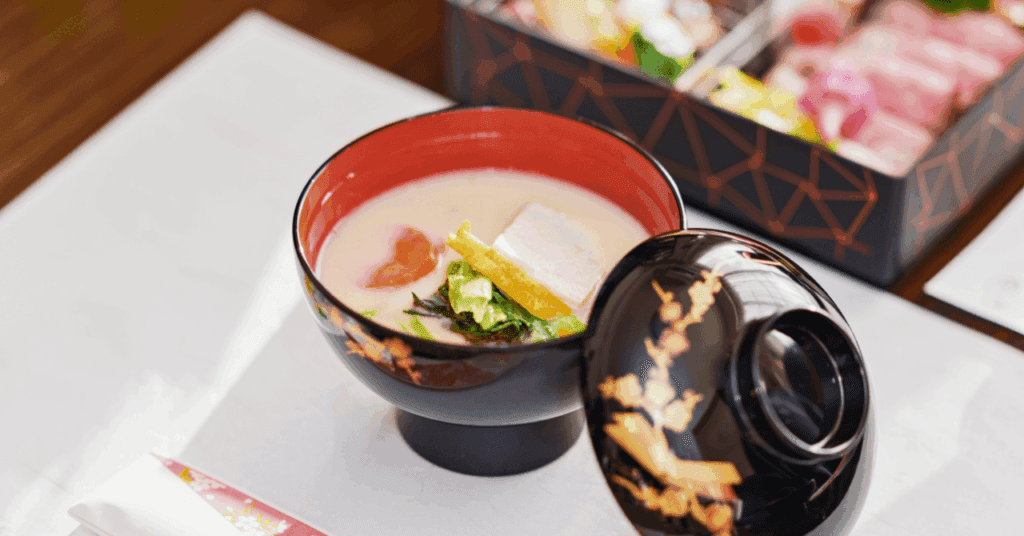
The mochi represents longevity and family unity.
If you visit Japan during the New Year, try sampling regional variations of Ozoni — many hotels and ryokans serve it as part of their holiday breakfast.
Otoshidama
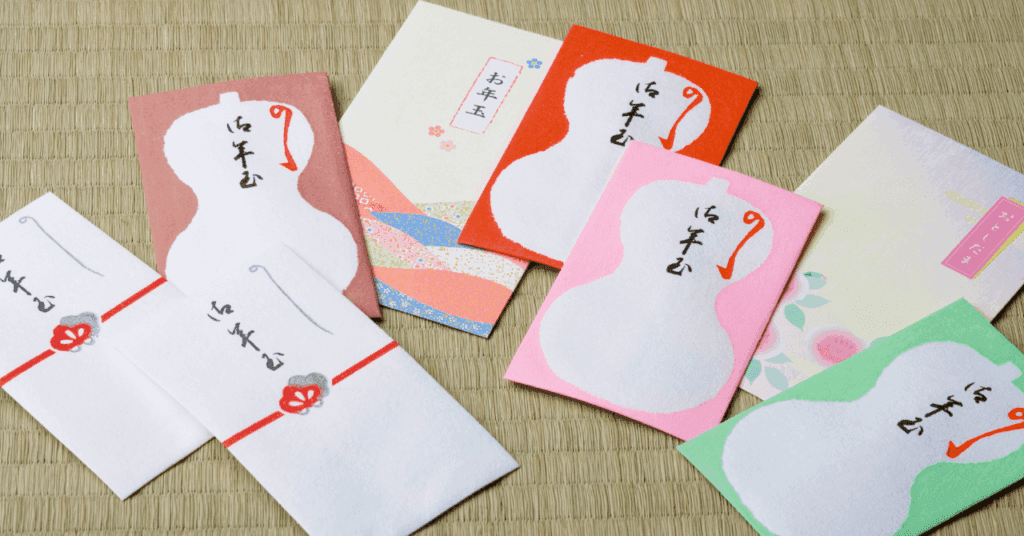
Children look forward to receiving Otoshidama, small envelopes of money given by parents and relatives.
It’s a way of sharing blessings and celebrating new beginnings.
Travel & Business Hours During the New Year
The New Year is also Japan’s biggest homecoming season, when people travel long distances to visit family.
As a result, trains, planes, and highways become extremely crowded:
- Bullet trains and flights often sell out weeks in advance.
- Major highways experience heavy traffic jams.
- Hotels and ryokans in cities are pricier and book up quickly.
If you plan to travel during this time, reserve your transportation and accommodation early.
Also note that many shops, restaurants, and attractions have special hours or close entirely between December 31 and January 3.
New Year’s Day (January 1) in particular is when many places close, so confirm schedules ahead to avoid surprises.
Experiencing the Meaning of the Japanese New Year
The New Year in Japan is more than a celebration — it’s a moment of gratitude, renewal, and reflection.
From the sound of shrine bells to the aroma of traditional dishes, every detail carries a quiet beauty and meaning.
For travelers, it’s the most culturally profound time to experience Japan.
Rather than rushing from sight to sight, take time to feel the season — visit a local shrine, enjoy Osechi and Ozoni, and embrace the peaceful rhythm of the Japanese New Year.
Experience Japan in December|Festivals, Food & the Magic of Winter