- Mochi and the Japanese Spirit
- A Brief History|From Sacred Offering to Everyday Food
- Ingredients|Made from Glutinous Rice
- How It’s Made|From Traditional Mochitsuki to Modern Methods
- “Mochi” Abroad vs. Mochi in Japan
- How to Enjoy Mochi|Regional & Seasonal Favorites
- Kagami Mochi & Kagami Biraki
- Issho Mochi|A Baby’s First Birthday Tradition
- Experience Mochi in Japan
- Mochi: Taste Japan’s Tradition with Your Eyes and Palate
Mochi and the Japanese Spirit
From New Year’s decorations to everyday treats, mochi (rice cakes) are deeply woven into Japan’s food culture.
More than just a dish, mochi has long symbolized strength, longevity, and spiritual connection.
Today, it appears everywhere — in home kitchens, cafés, and traditional sweets — remaining one of Japan’s most beloved foods through every season.
A Brief History|From Sacred Offering to Everyday Food
Mochi dates back over a thousand years, to the Nara period (8th century), when it was first used as an offering to the gods.
Back then, it was a luxury food reserved for the nobility and priests, believed to bring good harvests and protection from illness.
Over time, mochi spread to common households, becoming part of seasonal celebrations and festivals.
Traditions like kagami mochi, ozoni soup, and mochitsuki (rice-pounding) all trace their origins to these early spiritual customs.
Ingredients|Made from Glutinous Rice
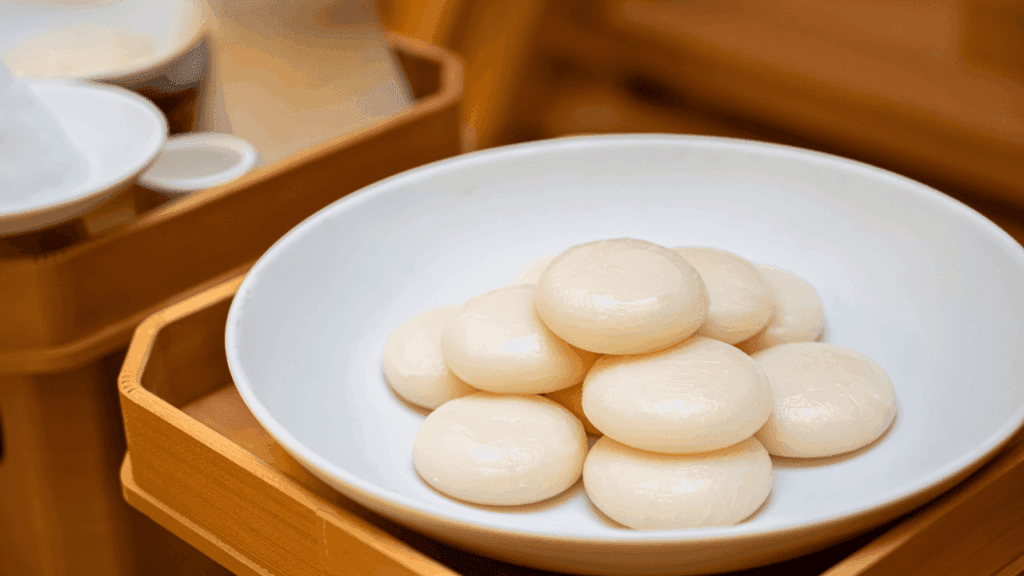
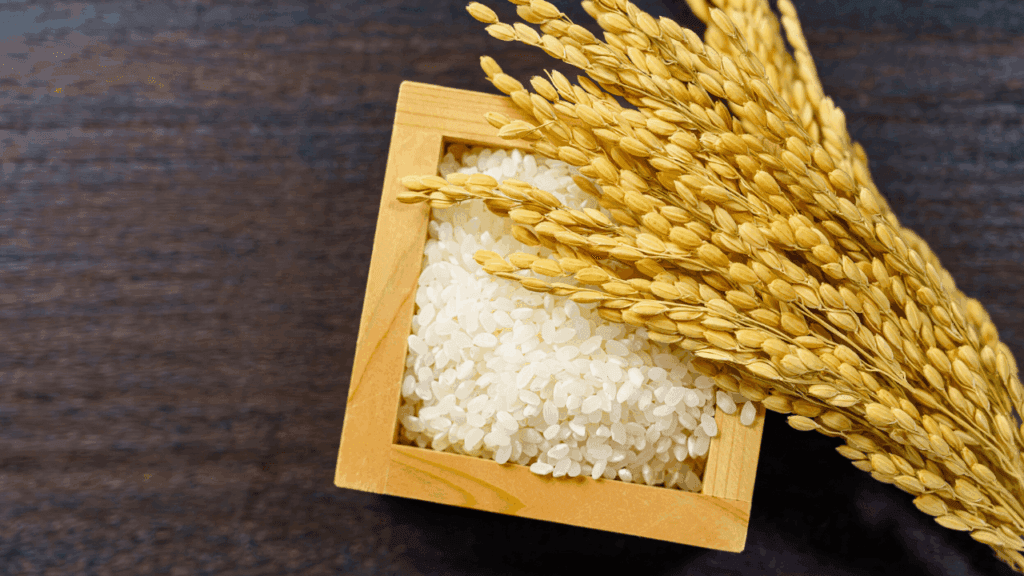
Mochi is made from glutinous rice, a special variety called mochigome.
Unlike regular rice, it becomes sticky and stretchy when steamed, giving mochi its signature chewy texture.
Popular cultivars like Kogane-mochi and Hakuchou-mochi are grown in rice-producing regions such as Tohoku and Niigata, known for their pure water and cold climate.
How It’s Made|From Traditional Mochitsuki to Modern Methods
Traditional Mochitsuki
Steamed glutinous rice is pounded rhythmically with wooden mallets in a mortar — a ritual called mochitsuki, often seen around New Year’s.
The teamwork and rhythm symbolize unity and community spirit.
Freshly pounded mochi is soft, fragrant, and lightly sweet.

The Modern Way of Making
Today, electric mochi makers and rice cookers make it easy to prepare mochi at home.
You can also buy vacuum-packed mochi in supermarkets, ready to grill, boil, or add to soups and desserts.
“Mochi” Abroad vs. Mochi in Japan
Outside Japan, “mochi” often refers to ice cream-filled mochi sweets — a Westernized dessert inspired by Japanese wagashi.
In Japan, however, mochi itself refers to the traditional rice cake, eaten grilled, in soups, or as part of festive dishes.
It’s a symbol of celebration, community, and gratitude — far more than just a sweet treat.
How to Enjoy Mochi|Regional & Seasonal Favorites
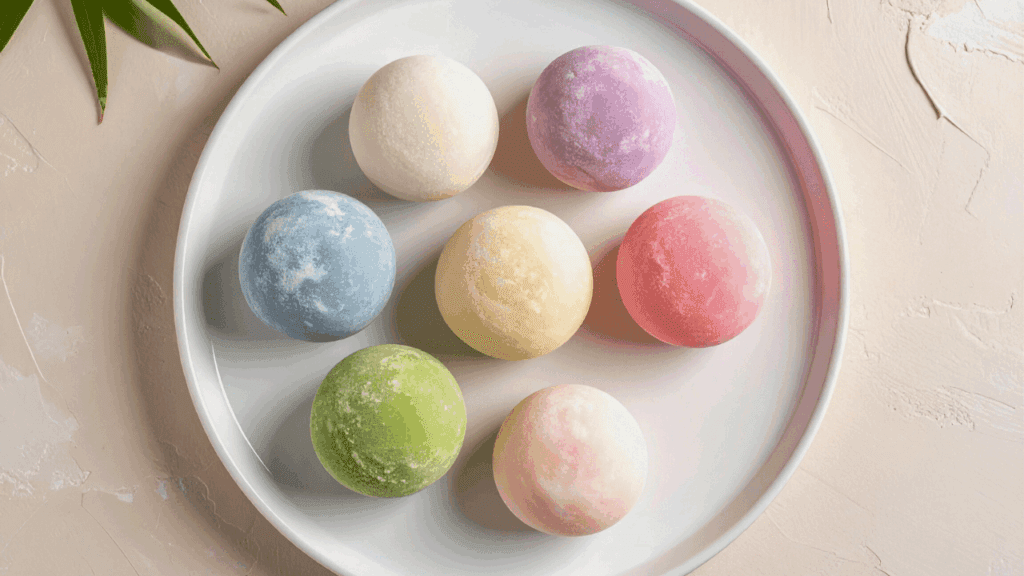
Mochi comes in both sweet and savory forms, changing with the seasons and regions.
Here are some of the most popular ways to enjoy it.
Savory Mochi
Isobemochi – Grilled mochi brushed with soy sauce and wrapped in seaweed. Crispy outside, chewy inside — a beloved homemade classic.Sometimes the soy sauce is sweetened, creating an addictive sweet-salty version.
Karami Mochi – Served with grated daikon radish and soy sauce. Light and refreshing.
Natto Mochi – Sticky meets sticky! A local favorite in northeastern Japan, combining mochi with fermented soy beans.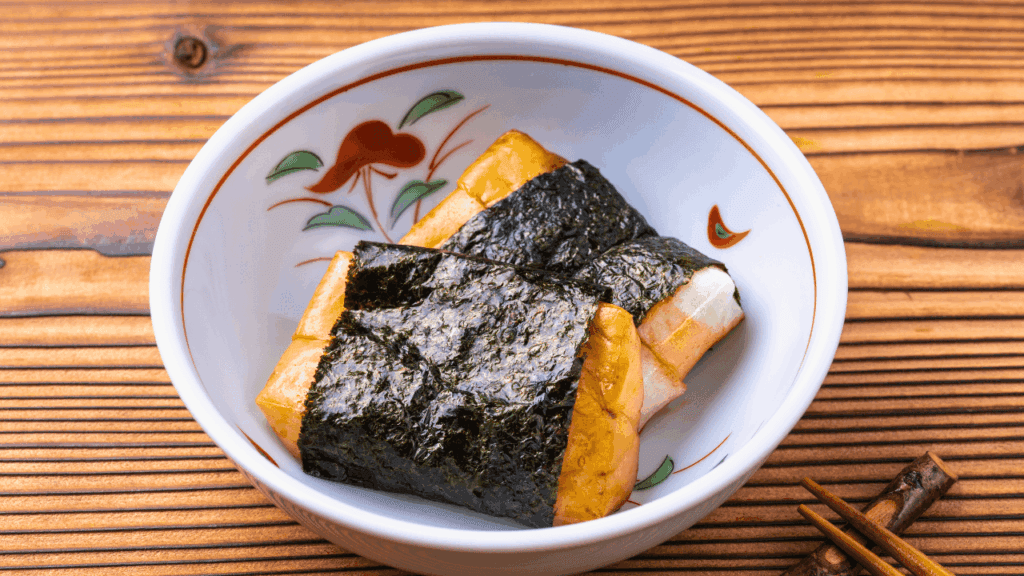
Sweet Mochi
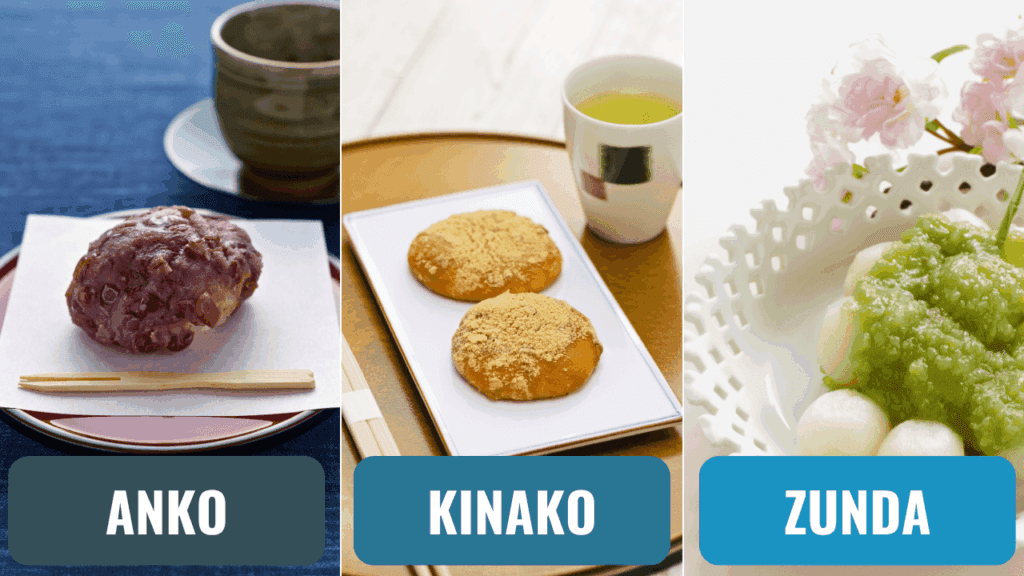
Anko Mochi – Plain mochi coated with sweet red bean paste — simple and timeless.
Kinako Mochi – Dusted with roasted soybean flour mixed with sugar. Soft, nutty, and gently sweet.
Zunda Mochi – A bright-green specialty from Tohoku, made from mashed edamame and sugar — fresh, earthy, and mild.
Seasonal Wagashi (Mochi-Based Sweets)
Mochi is also central to Japan’s traditional confectionery, wagashi, expressing the beauty of each season:
- Sakura Mochi – Pink mochi wrapped in salted cherry leaves, enjoyed in spring.
- Kashiwa Mochi – Oak leaf–wrapped mochi for Boys’ Day in May, symbolizing prosperity.
- Kusa (Yomogi) Mochi – Green mochi flavored with Japanese mugwort, evoking spring freshness.
- Ichigo Daifuku – Mochi stuffed with red bean paste and a whole strawberry — a modern favorite worldwide.
- Ohagi – Pounded rice wrapped in sweet bean paste, eaten during the autumn equinox.
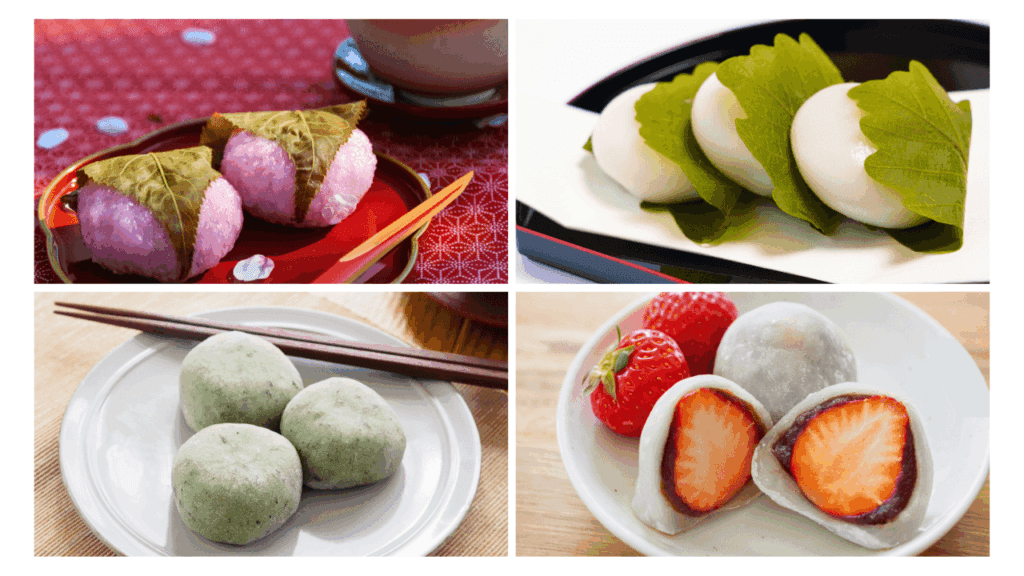
Each reflects Japan’s appreciation of season, color, and texture — food as art.
If you would like to experience making Japanese sweets, click here.

Ozoni|New Year’s Mochi Soup
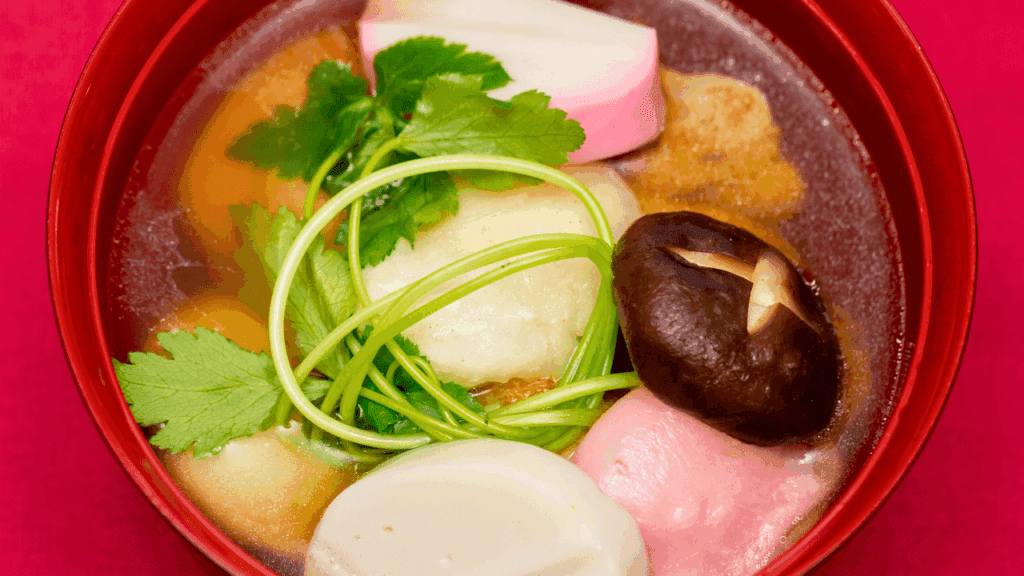
A must-have on New Year’s morning.
In Tokyo and eastern Japan, square mochi is grilled and served in clear soy-based broth.
In Kyoto and western Japan, round mochi is simmered in white miso soup.
Every region has its own flavor — trying different versions while traveling is part of the fun!
Mochi in Dishes
Add mochi to hot pot or soups, and it soaks up the broth while staying chewy.
Modern favorites include chikara udon (mochi-topped udon) and mochi gratin.
Small pieces of mochi are also a fun and popular topping for okonomiyaki, monjayaki, or even pizza — stretchy and delicious!

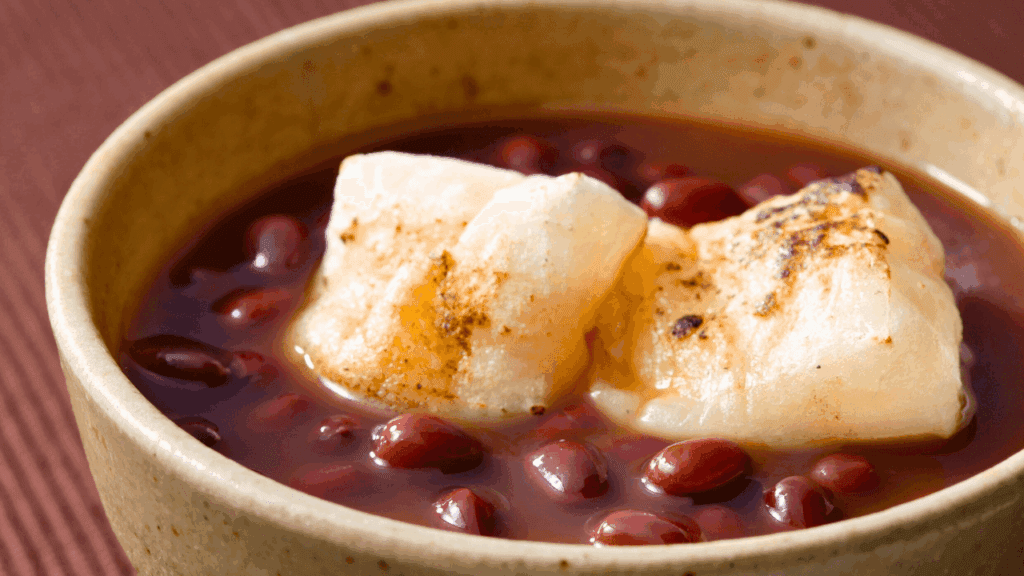
Oshiruko & Zenzai|Warm Winter Comfort
These cozy winter desserts combine sweet red bean soup with grilled mochi or shiratama dumplings.
The names differ by region — in eastern Japan, the soupier version is called oshiruko,
while in western Japan, the thicker, chunky type is zenzai.
Both are sweet, comforting, and perfect for cold days.
Kagami Mochi & Kagami Biraki
Displayed during New Year’s, kagami mochi consists of two round rice cakes stacked to symbolize harmony and happiness.
On January 11, families break the hardened mochi in a ritual called kagami biraki,
then eat it in soups like oshiruko or zenzai — believed to receive the spirit’s blessing through food.

Issho Mochi|A Baby’s First Birthday Tradition
At a child’s first birthday, families celebrate with Issho Mochi, meaning “one-sho mochi.”
One sho is a traditional Japanese unit equal to about 1.8 liters or 1.4 kilograms of rice.
The child carries the heavy mochi on their back to symbolize “a lifetime of food and good fortune.”
It’s a cherished moment for families, filled with laughter and hopes for the future.
Experience Mochi in Japan
- Join a mochitsuki rice-pounding event at temples or local festivals during New Year’s.
- Try oshiruko or zenzai at cafés in winter — many ryokan serve them as seasonal desserts.
- Visit Japanese confectionery shops to sample regional mochi sweets — perfect souvenirs too!
Mochi: Taste Japan’s Tradition with Your Eyes and Palate
Mochi has been deeply connected to Japanese life for centuries.
Only in Japan can you experience such a wide range of textures, flavors, and meanings in one humble food.
Join a mochitsuki event, taste local specialties, and discover how mochi lets you see and taste Japan’s culture in every bite.