Among repeat visitors to Tokyo, one comment comes up again and again:
“No matter how many times I visit, I always get lost at Shinjuku Station.”
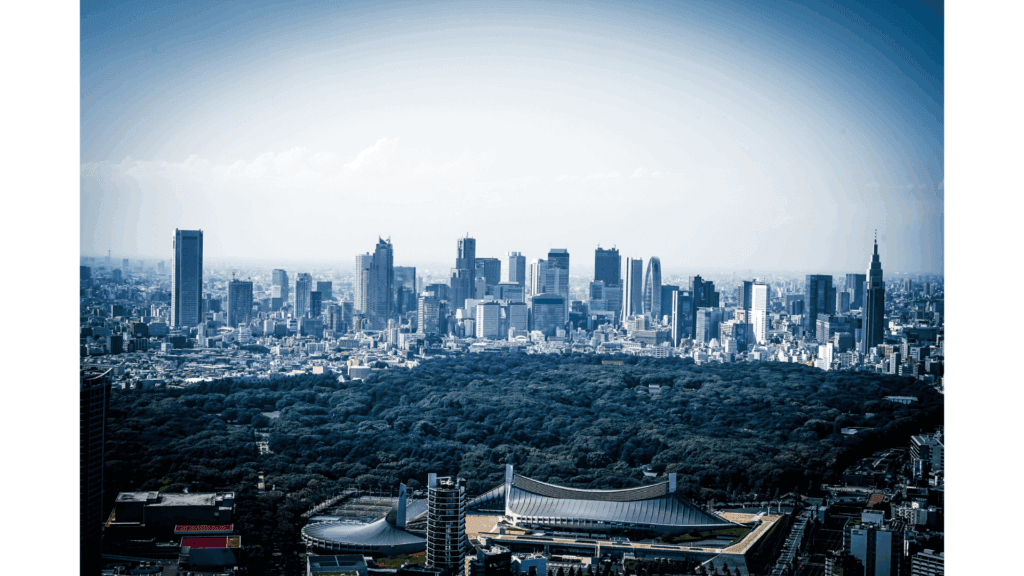
And that’s no surprise. With over 3.5 million daily passengers on JR lines alone—the highest in the world—Shinjuku is not just a transit hub; it’s a massive, evolving urban ecosystem. JR, Odakyu, Keio, Toei Subway, and Tokyo Metro all converge here, and the station’s maze-like structure didn’t happen by accident. It reflects more than a century of urban expansion and layered development.
In this guide, you’ll learn:
- Why Shinjuku Station became so complex
- How to navigate it without frustration
- What to do around the station to enrich your trip
If you plan to visit Japan—especially Tokyo—Shinjuku Station is impossible to avoid.
So let’s break it down in a way that finally makes sense!
Why Shinjuku Station Became a “World-Famous Maze”
① It Started Out as a Small Suburban Station
Shinjuku Station opened in 1885.
At the time, it wasn’t a major landmark at all—it sat slightly outside central Tokyo and served mainly as a local stop.
However, things changed rapidly:
- 1889: Kōbu Railway (now the Chūō Line)
- 1906: Official establishment of the Yamanote Line
- 1927: Odakyu Line
- 1915–: Keio Electric Railway (now the Keio Line)
As multiple railways converged, the city grew faster than the station.
New neighborhoods developed around it, and the station expanded repeatedly to keep up—not through a master plan, but through constant add-ons.
Naturally, the structure became complicated.
② Japan’s Private Railway Culture Made It Even More Complex
In Japanese cities, it’s common for JR (formerly state-run) and private railways to share the same hub.
Yet in Shinjuku, each company built its facilities for different purposes:
- JR (Chūō, Yamanote, Saikyō Lines)
- Odakyu
- Keio
- Tokyo Metro & Toei Subway
Each developed its own terminal, and only later did walkways connect them.
This retrofitted design explains why the station feels like a puzzle with mismatched pieces.
Odakyu and Keio even built huge underground terminals beneath the West Exit, which explains the long walking distances from JR platforms.
③ The Underground Passageways Grew “Piece by Piece”
Beneath Shinjuku lies a vast network of shopping arcades:
- Subnade
- Odakyu Ace
- Lumine Underground
- Keio Mall
Originally, they were separate commercial facilities.
Over time, they connected—sometimes loosely, sometimes awkwardly—creating a patchwork of corridors.
This is also why Google Maps struggles underground: the layers and connections simply aren’t consistent.
Understand Shinjuku Through “Three Layers” — and You Won’t Get Lost
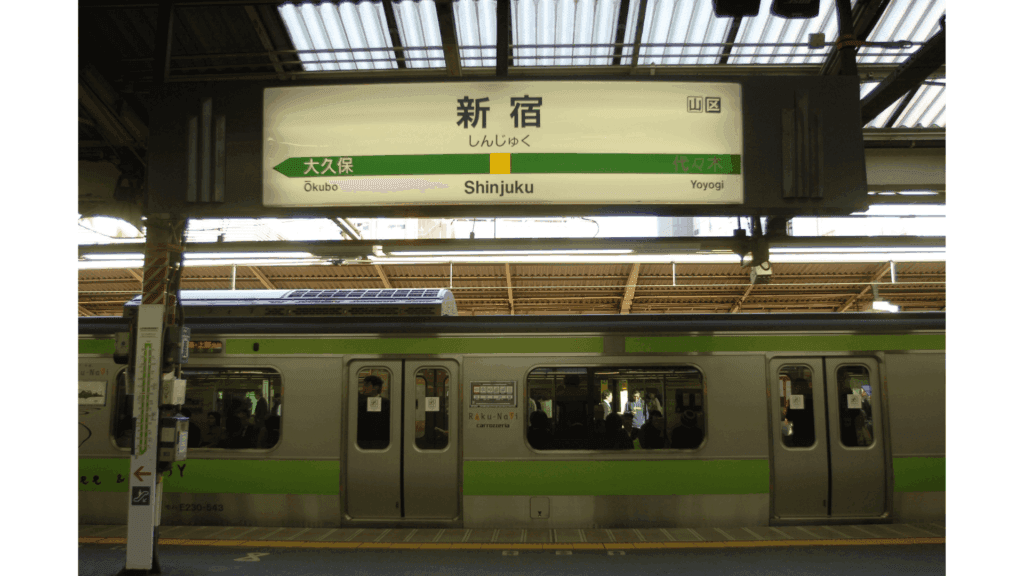
Shinjuku Station becomes far easier to navigate when you visualize it as three layers:
- Ground Level
- Underground Shopping Zones
- Platforms Managed by Different Railway Companies
Once you grasp these layers, everything clicks!
① Ground Level: Each Direction Has a Very Different Personality
- East Exit: Shopping & entertainment (Kabukichō, Isetan area)
- West Exit: Business district (Tokyo Metropolitan Government, skyscrapers)
- South Exit: Modern, clean, easy to navigate (Busta Shinjuku, NEWoMan))
Before choosing a gate or exit, decide which direction you want first.
This simple step solves half of the confusion.
② Underground: A Multi-Level Web of Walkways
Because several underground malls connect irregularly, changes in level often affect your direction.
When in doubt, check the wall maps instead of relying solely on your phone—they reflect the station’s structure more accurately.
③ Platforms: Each Railway Company Built Its Own System
The distance between JR → Odakyu / Keio feels long because their terminals were originally independent.
Even today, transfers require patience.
Three Rules to Stop Getting Lost at Shinjuku

① Prioritize Direction Over Exit Numbers
In Shinjuku, “East / West / South” matters far more than exit numbers.
② Learn the Exit Numbering System
- East Exit area: 1–20
- West Exit area: 30–50
- South Exit & New South Gate: along Kōshū Kaidō Avenue
Knowing this pattern dramatically reduces mistakes.
③ Be Careful with Vertical Movement
In the underground zones,
changing floors = changing directions.
This is where many visitors get disoriented.
Common Places Where Visitors Get Lost — and How to Avoid Them
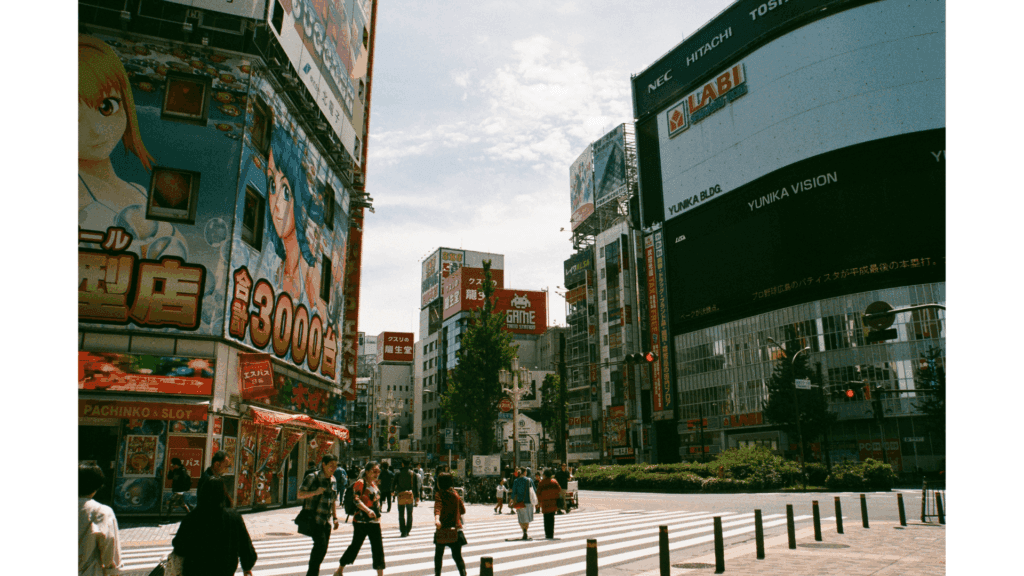
① East–West Crossing Problem
You cannot cross between East and West at ground level.
Use the underground passages and follow the overhead signs; it’s the fastest method.
② Why JR → Odakyu / Keio Takes So Long
Because each company built its own terminal, the physical distance remains significant.
The quickest path is usually:
JR Central East Gate or Central West Gate → Underground passage → Keio/Odakyu
③ South Exit → Busta Shinjuku Requires Vertical Navigation
The South Exit area is modern and open, but reaching Busta Shinjuku always requires escalators or elevators.
Your phone map won’t show this clearly, so pay attention to signage.
Summary
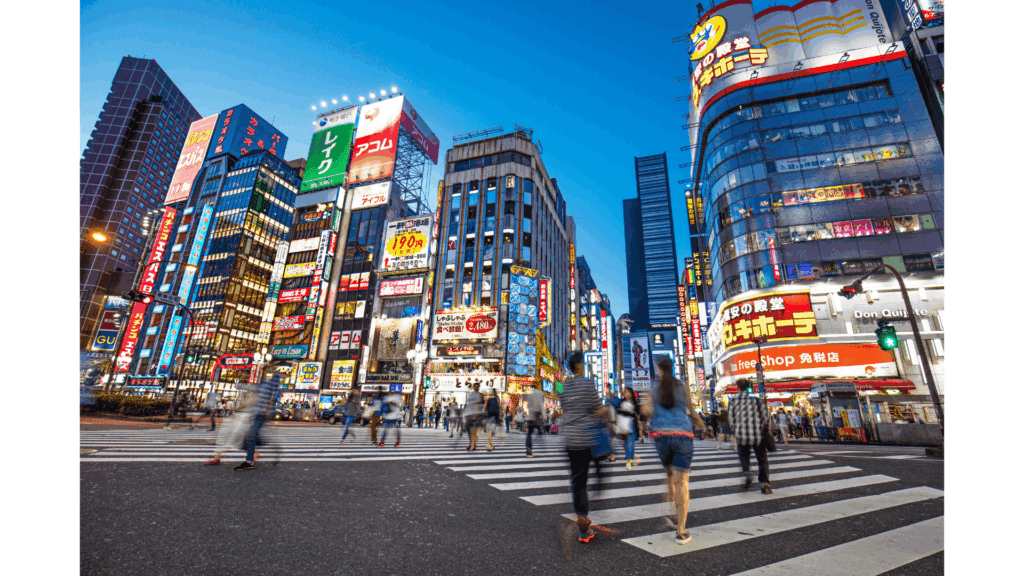
Shinjuku Station feels complicated not because it’s unfriendly, but because its long history layered structure upon structure.
When you understand this, something changes:
- You move with far less stress
- You start to read Tokyo’s urban design more deeply
- You walk through areas like Kabukichō or the East–West corridors with confidence
And as you visit Tokyo more often, you’ll realize that mastering Shinjuku truly elevates the quality of your trip.
✨ Fun and Easy Experiences Around Shinjuku Station ✨
Once you’ve successfully navigated Shinjuku Station, why not enjoy something fun nearby?
Here are two casual entertainment activities that first-time visitors especially love.
① Enjoy a Ninja × Kabuki Performance
This playful show blends the world of ninja with kabuki-style staging.
It’s perfect for anyone who wants to experience “a uniquely Japanese performance” without needing any prior knowledge.
② Powerful Sumo Show & Photo Session with Wrestlers
This popular experience lets you enjoy sumo in a relaxed, accessible format right in Shinjuku.
You can feel the power of each demonstration and even take commemorative photos with the wrestlers afterward!
Recommended Reading: For Those Seeking a Quiet Escape
In contrast to the lively atmosphere around Shinjuku Station, Ikebukuro offers several surprisingly peaceful hideaways. If you’re looking for a calm spot to unwind, this guide is perfect for you.
Read: 5 Hidden Quiet Spots in Ikebukuro