The Japanese New Year is a rare moment when quietness, tradition, and the hope for a fresh start all come together. To help first-time visitors make the most of this season, this guide walks you through New Year’s Eve events, shrine etiquette, and cultural experiences you shouldn’t miss.
What Is the Japanese New Year?
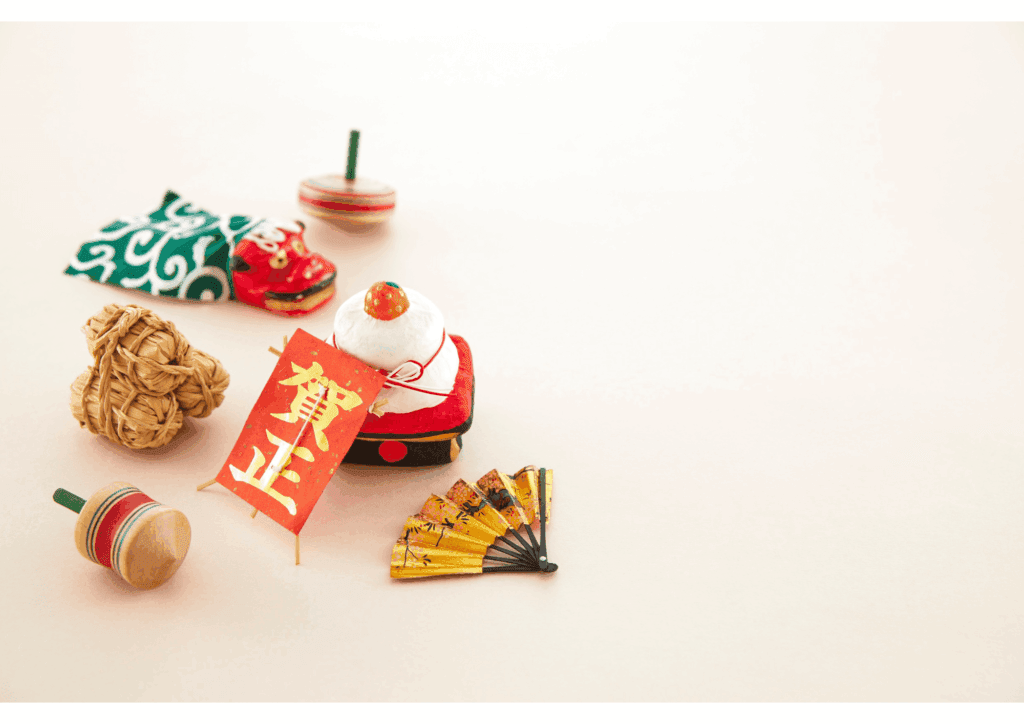
The Japanese New Year (January 1–3) is one of the most culturally important times of the year. Families gather, cities slow down, and the atmosphere becomes calm and reflective. For travelers, this quieter period offers a unique chance to experience the authentic, everyday side of Japanese culture.
To learn more about the deeper meanings behind Japanese New Year traditions—such as osechi dishes, New Year decorations, and cultural customs—check our detailed cultural guide here:

Key Traditions That Define the Japanese New Year
- Hatsumode (First Shrine Visit): People pray for health, luck, and success.
- Toshikoshi Soba (Year-End Noodles): Eaten to “cut off” misfortune and welcome longevity.
- Kagami Mochi / Shimekazari / Kadomatsu: Symbolic decorations inviting good fortune.
- Hatsuhinode (First Sunrise): Watching the first sunrise of the year to celebrate new beginnings.
⚠️Things Travelers Should Know⚠️
- Many restaurants and shops close from Dec 31 to Jan 3.
- Popular shrines and temples become extremely crowded.
- In big cities, taxis are difficult to catch during peak hours.
→Because of this, advanced planning dramatically improves your travel experience.
Where to Spend New Year’s Eve in Japan
① Joya no Kane
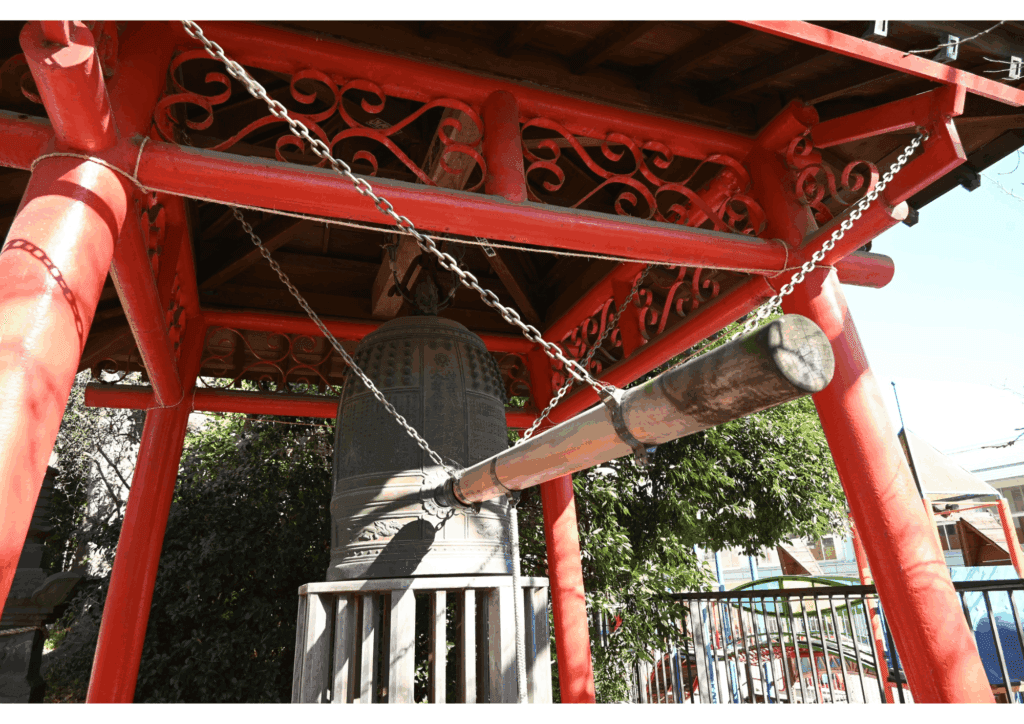
On New Year’s Eve, temples across Japan ring their bells 108 times, symbolizing the clearing of worldly desires. This powerful ritual creates a quiet, almost spiritual atmosphere.
- Many temples allow visitors to join the ringing.
- Usually held from late night to around 12:30 AM.
- Warm clothing is essential in winter nights.
This is the perfect experience for travelers who want to welcome the Japanese New Year in a solemn and peaceful way!
② Welcoming the New Year at a Shrine
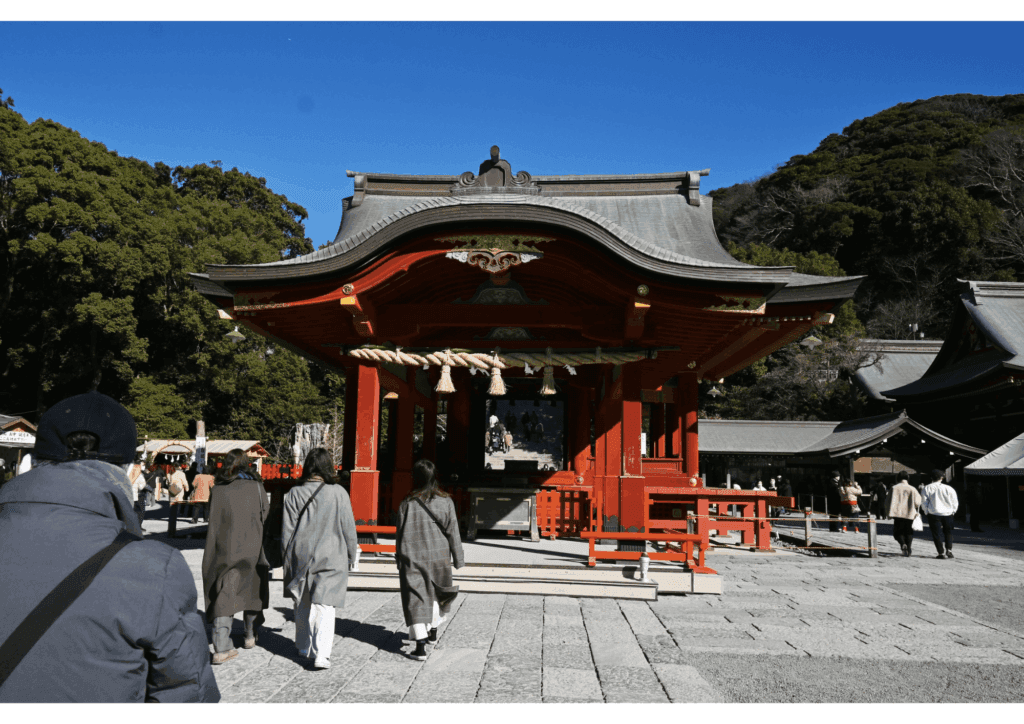
Unlike loud Western countdowns, shrines offer a calm and reflective way to enter the new year.
- Visitors can go straight into Hatsumode after midnight.
- Some shrines serve warm amazake or have small food stalls.
- Crowds peak around midnight, so arriving early helps.
This option is ideal for those who want to immerse themselves in a uniquely Japanese atmosphere.
③ City Countdown Events (Tokyo, Yokohama, etc.)
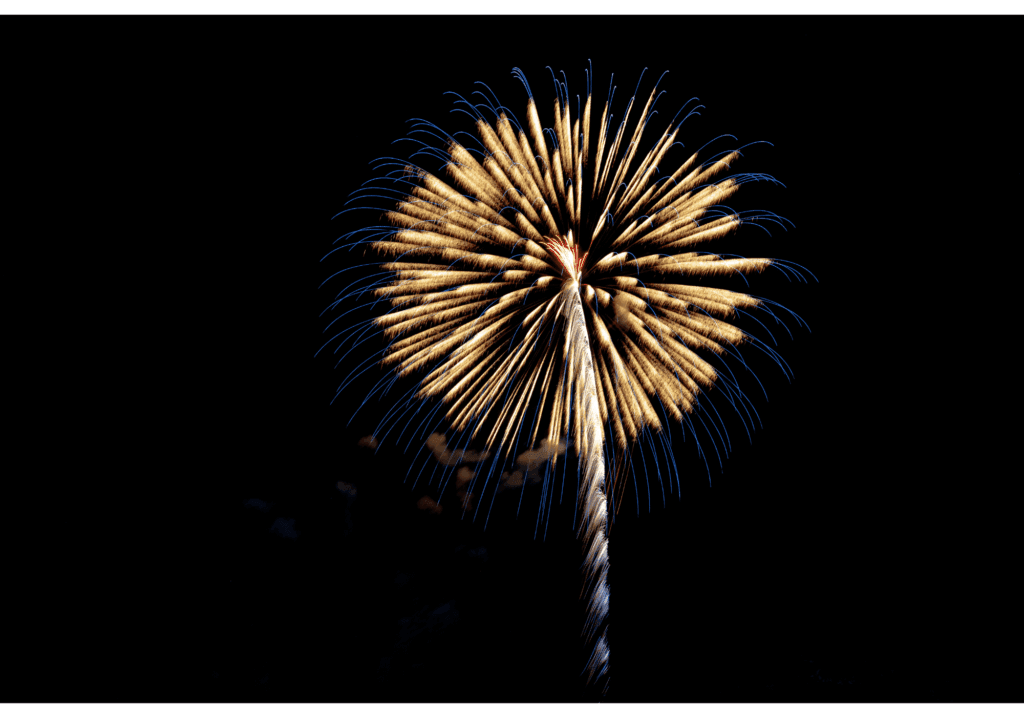
If you prefer something lively, major cities host energetic countdowns.
- Fireworks, illuminations, and tower light-ups
- Late-night cafés and bars stay open
- Public transport schedules and cold weather require attention
These events create a vibrant way to celebrate the Japanese New Year.
Hatsumode: The First Shrine Visit of the New Year
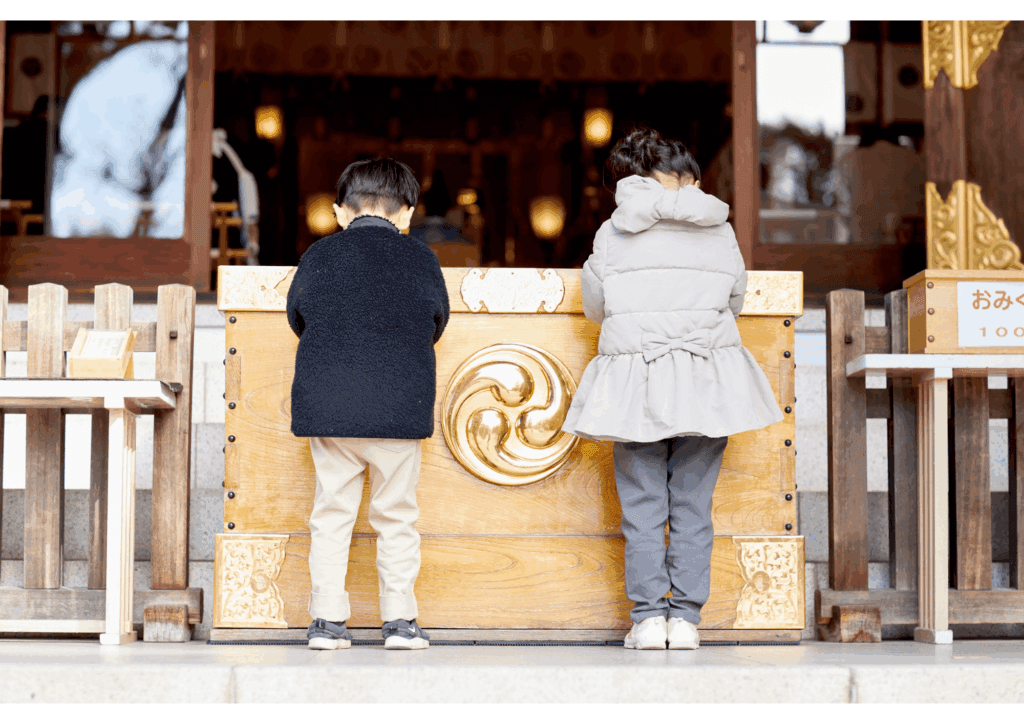
What Is Hatsumode?
“Hatsumode” refers to the first visit to a shrine or temple in the new year. People pray for health, good luck, academic success, and personal goals.
How to Follow the Basic Shrine Etiquette
Even beginners can follow these simple steps:
- Bow once before entering the torii gate.
- Walk along the sides of the path — not the center.
- Purify hands and mouth lightly at the water basin (temizuya).
- Offer a coin → Two bows, two claps, one bow.
- Draw an omikuji fortune slip for fun.
Once you know the flow, visiting shrines becomes much easier and more meaningful.
Check here for shrine and temple etiquette you should know in advance!

Top 10 Japanese New Year Experiences for Travelers
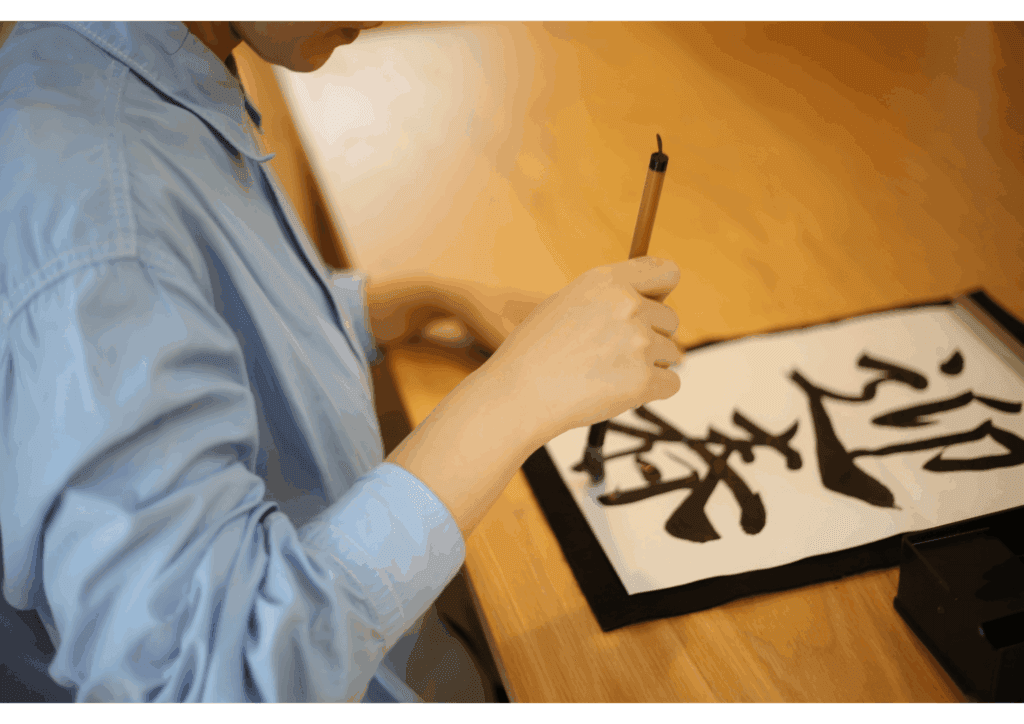
Experiences below help you connect with Japanese culture on a deeper level.
| Experience | Description | Benefit |
|---|---|---|
| Calligraphy (Kakizome) | Write your first word of the year with brush and ink | Cultural immersion / photogenic |
| Wagashi Making | Create New Year–themed sweets | Family-friendly / take-home souvenir |
| Traditional Games | Try hanetsuki, kendama, and more | Great for kids / casual fun |
| Kimono for Hatsumode | Visit a shrine in kimono | Incredible photos / special experience |
| Tea Ceremony (New Year version) | Enjoy a seasonal tea ceremony | Quiet and meditative |
| Garden Illuminations | Limited New Year light-ups | Romantic / less crowded |
| Hot Spring Stay | Celebrate in an onsen ryokan | Relaxing, winter-perfect |
| First Sunrise Viewing | Watch sunrise from mountains or coast | Unforgettable moment |
| Traditional Rituals | Observe ceremonies in Kyoto or Nara | Deeper cultural understanding |

Both calligraphy and wagashi making are extremely popular during the New Year season, and spots often fill up quickly. Because of this, early booking helps you secure the best dates.
Japan in January|Weather, Clothing & Tips

- Tokyo: 5–10°C, colder at night
- Hokkaido / Tohoku: Below freezing, snow gear essential
- Many attractions run on shortened hours
- Booking Hatsumode visits and kimono rentals early is recommended
Warm clothing and comfortable shoes make a huge difference.
Summary

The Japanese New Year blends quiet reflection with festive energy. Temple bells ring in the final moments of the year, while shrines welcome visitors with an atmosphere full of hope. Meanwhile, the excitement of New Year sales and lively streets shows the modern side of Japan.
This beautiful contrast between tradition and celebration is what makes the Japanese New Year so special. By combining events like temple visits, Hatsumode, and cultural workshops, travelers can experience Japan more deeply and begin the year with memories that truly last.