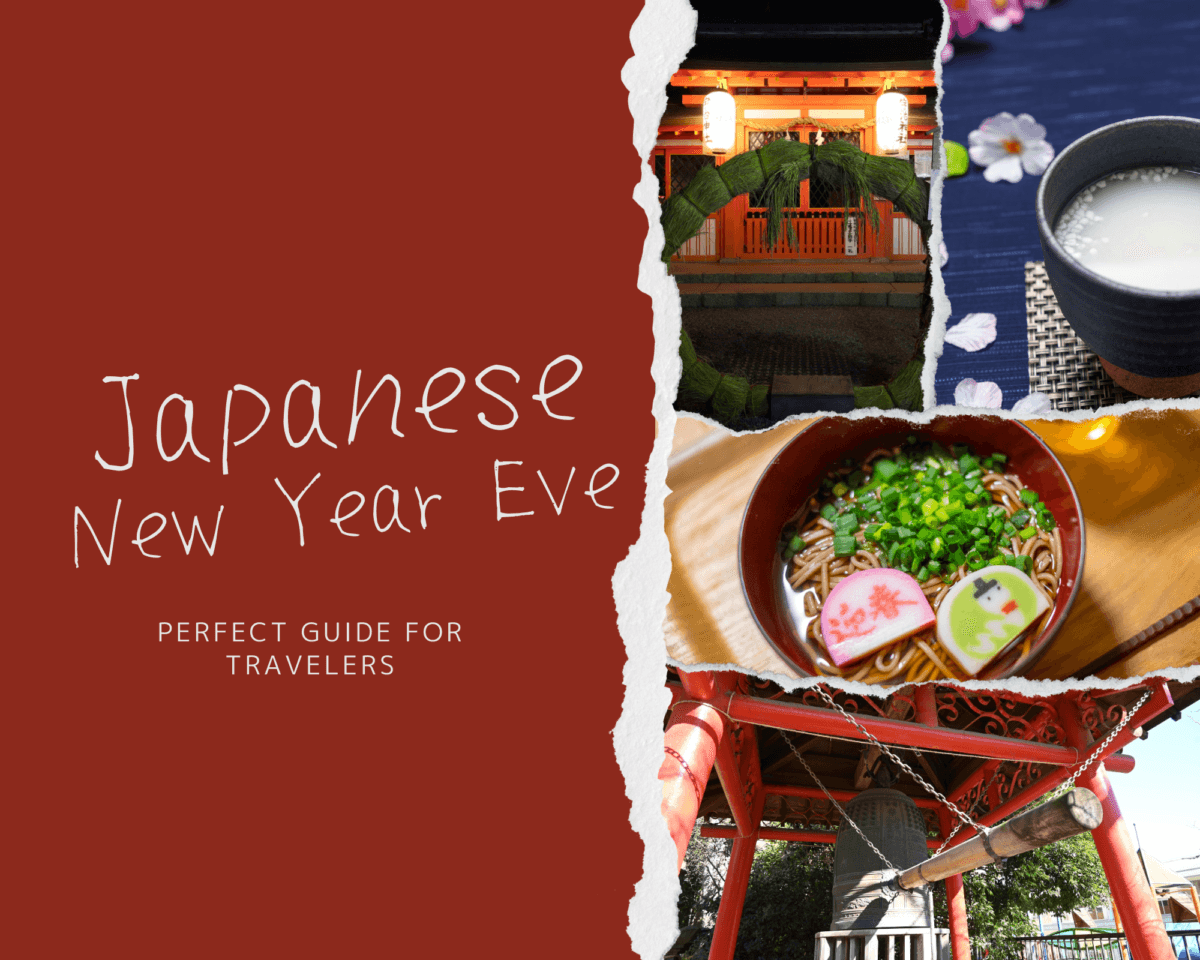
Japanese New Year Eve is a remarkably unique day in Japan—one centered on quietness and prayer, rather than loud celebrations. While many Western countries welcome the new year with fireworks, parties, and citywide countdowns, people in Japan usually spend the night with family or visit temples and shrines, embracing a calmer and more reflective atmosphere.
This guide walks you through the entire experience—how to spend the evening by time of day, cultural traditions, New Year Eve events, food rituals, differences from overseas celebrations, and essential tips.
If you’re visiting Japan for the first time, you can enjoy the night confidently and meaningfully!
Learn more about broader Japanese New Year traditions here!

- What Does Japanese New Year Eve Feel Like? How Does It Differ From Overseas?
- Evening to Night|Experience Japanese New Year Eve Food Culture
- Late Night|Experience “Joya no Kane”
- Midnight|A Quiet and Spiritual Shrine Countdown
- For Those Who Prefer Excitement
- Many Shops Close on New Year Eve!
- Preparing for the Next Morning
- Summary
What Does Japanese New Year Eve Feel Like? How Does It Differ From Overseas?
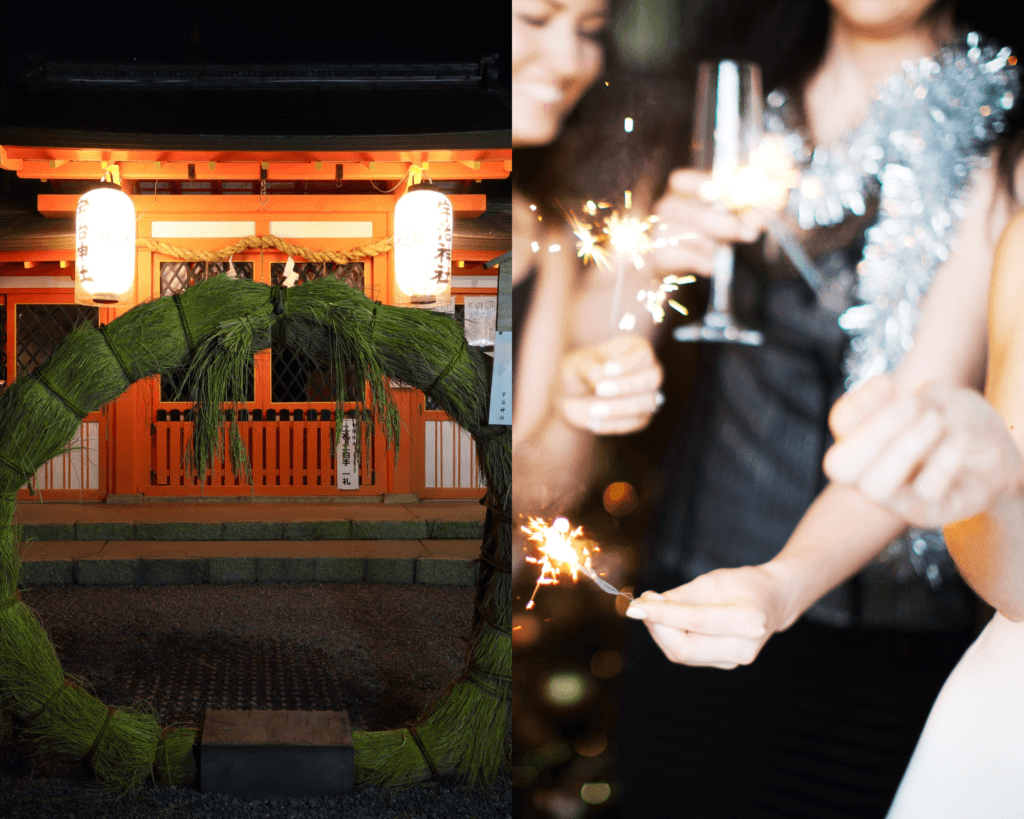
As the evening approaches, the atmosphere across Japanese cities begins to shift.
Busy districts grow quieter, lights in homes gradually increase, and people slowly gather near temples and shrines. This creates a beautiful contrast—stillness in the city, and gentle movement around sacred places.
The biggest difference from overseas traditions lies in Japan’s cultural values:
- Western countries → fireworks, outdoor concerts, lively countdown parties
- Japan → family time, TV specials (like Kohaku Uta Gassen), temple bell ringing, and shrine visits
Simply put, Japanese New Year Eve is a day for closing the year calmly and preparing your mind to welcome a fresh start.
Evening to Night|Experience Japanese New Year Eve Food Culture
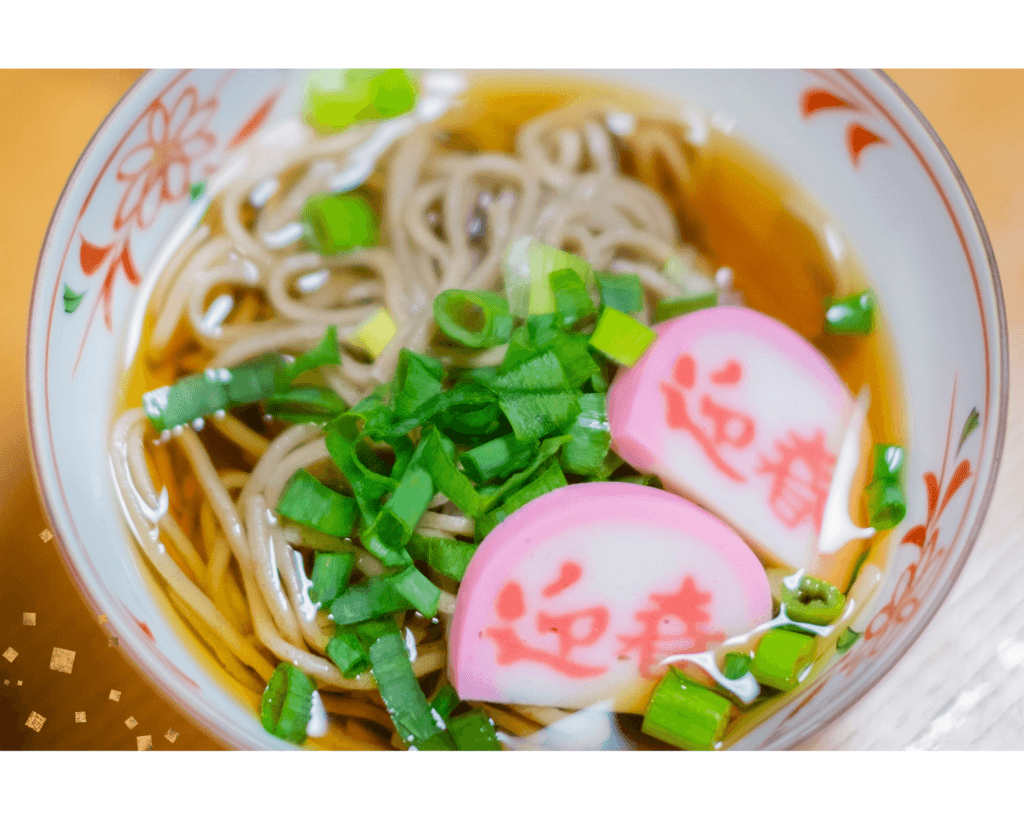
One dish appears on almost every table on Japanese New Year Eve: Toshikoshi Soba.
Its long, thin noodles symbolize long life and the act of cutting off misfortune, so families traditionally eat it before midnight.
For travelers, soba becomes a perfect entry point into Japanese food culture.
However, many restaurants close earlier than usual, so checking opening hours in advance helps avoid surprises.
After enjoying a warm bowl of soba in a quiet restaurant, many locals walk directly to a nearby temple or shrine—this flow feels incredibly authentic!
Late Night|Experience “Joya no Kane”
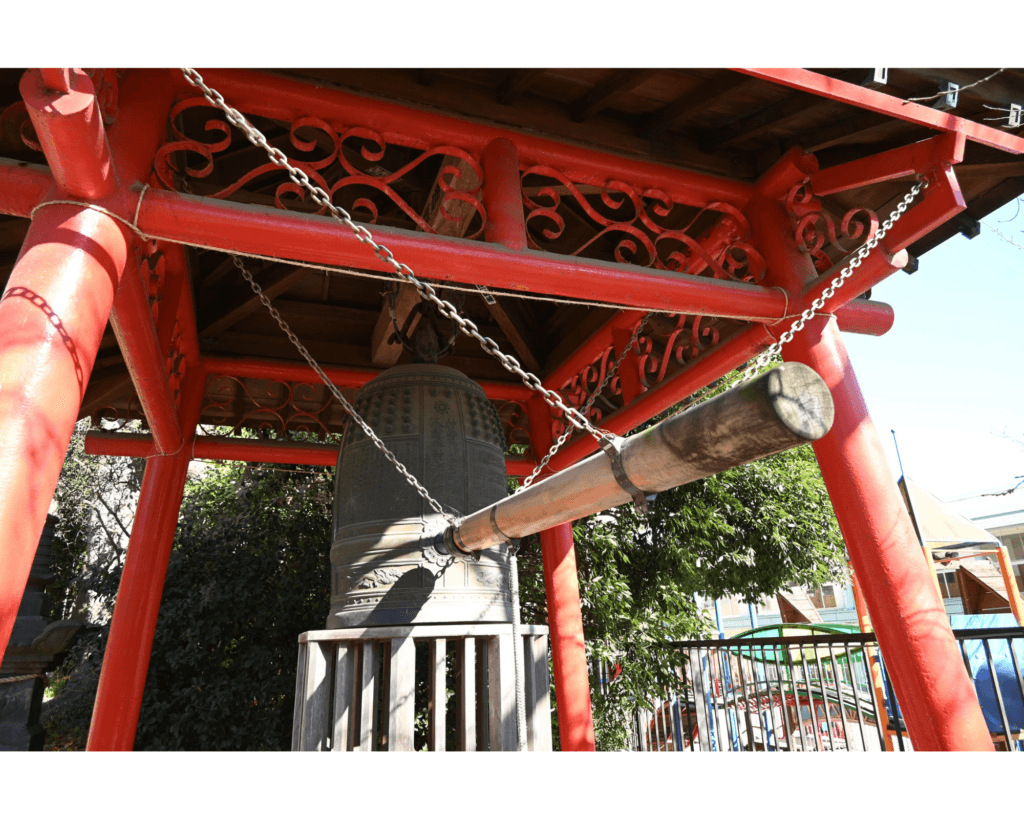
Around 11 PM, people begin gathering at temples.
Just before and after midnight, monks ring the temple bell 108 times—a number believed to represent human desires and attachments.
Each solemn ring symbolizes purification as the new year begins.
If Western countdowns are “shows of light and sound,” then Japan’s Joya no Kane is “an inner ceremony of silence and resonance.”
Many temples even allow visitors to strike the bell themselves, creating a once-in-a-lifetime moment.
Because temperatures drop drastically in winter, strong warm clothing is essential.
Midnight|A Quiet and Spiritual Shrine Countdown
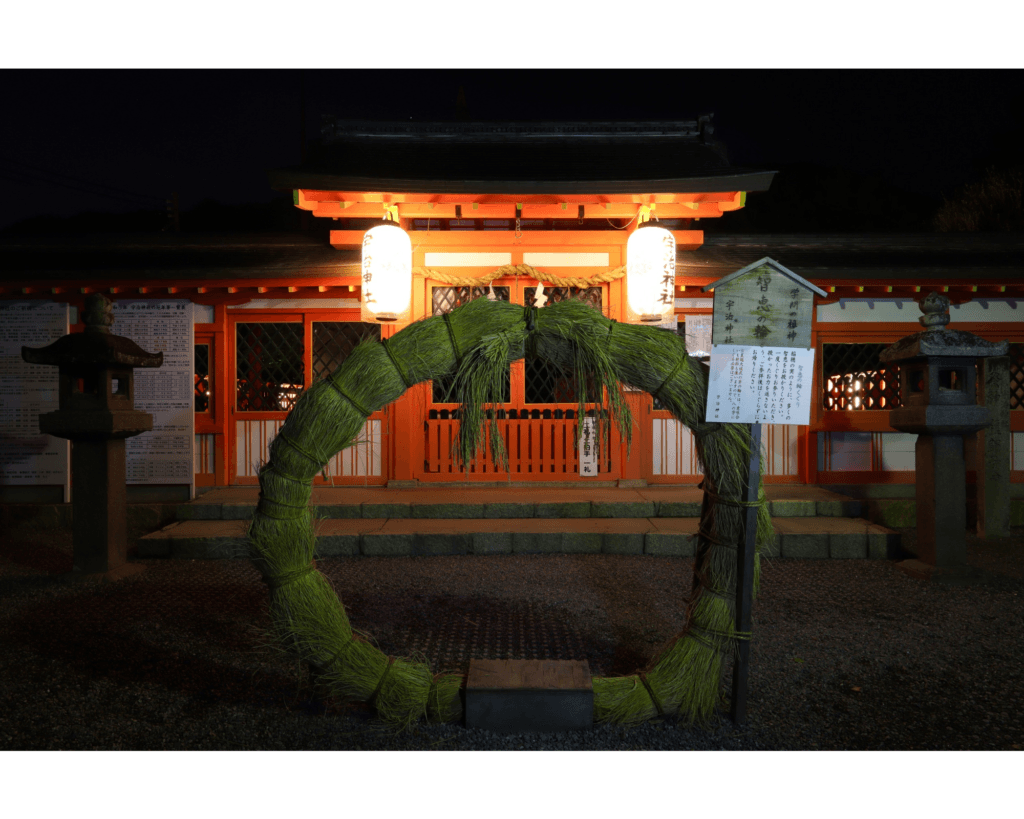
At Japanese shrines, countdowns look completely different from Western ones.
There is no loud music, no fireworks, and no large-scale performances.
Instead, when the clock strikes midnight, a soft wave of clapping and prayer rises from the crowd, welcoming the new year with peaceful intention.
Travelers who expect lively overseas-style celebrations often find themselves saying:
“I never knew a countdown could feel this quiet and sacred!”
After offering prayers, visitors can enjoy amazake (a warm sweet drink) or small snacks from temporary food stalls.
Crowds peak right before and after midnight, so arriving earlier makes the experience smoother.
For Those Who Prefer Excitement

In many countries, entire cities become one huge party.
New York and Sydney, for example, transform into vibrant festivals filled with fireworks and high energy—a truly global experience.
Japan, however, offers something different.
Official large-scale countdowns are limited, and places like Tokyo Tower or Tokyo Skytree do not host official countdown events, despite their iconic presence.
Instead, Japan offers several reliable and enjoyable options:
- USJ (Universal Studios Japan) — NO LIMIT! Countdown:One of the biggest New Year events in Japan, featuring fireworks, live performances, and all-night opening hours.
- Countdown Live Events:Music festivals or artist concerts that showcase Japan’s unique fan culture.
- Hotel Countdown Parties:Relaxed, elegant celebrations perfect for travelers who prefer comfort and safety.
While overseas celebrations offer overwhelming scale and energy, Japan excels in comfort, safety, and predictability—making it ideal for travelers who want excitement without chaos.
Many Shops Close on New Year Eve!
A common challenge for travelers is discovering that:
“There’s nowhere open to eat.”
“I can’t find a taxi after midnight.”
Deep-night businesses are limited, and taxi availability drops sharply—especially around popular shrine or event areas.
Sometimes walking becomes the only option.
Therefore, checking restaurant hours, station congestion, and traffic restrictions ahead of time becomes incredibly helpful.
Preparing for the Next Morning
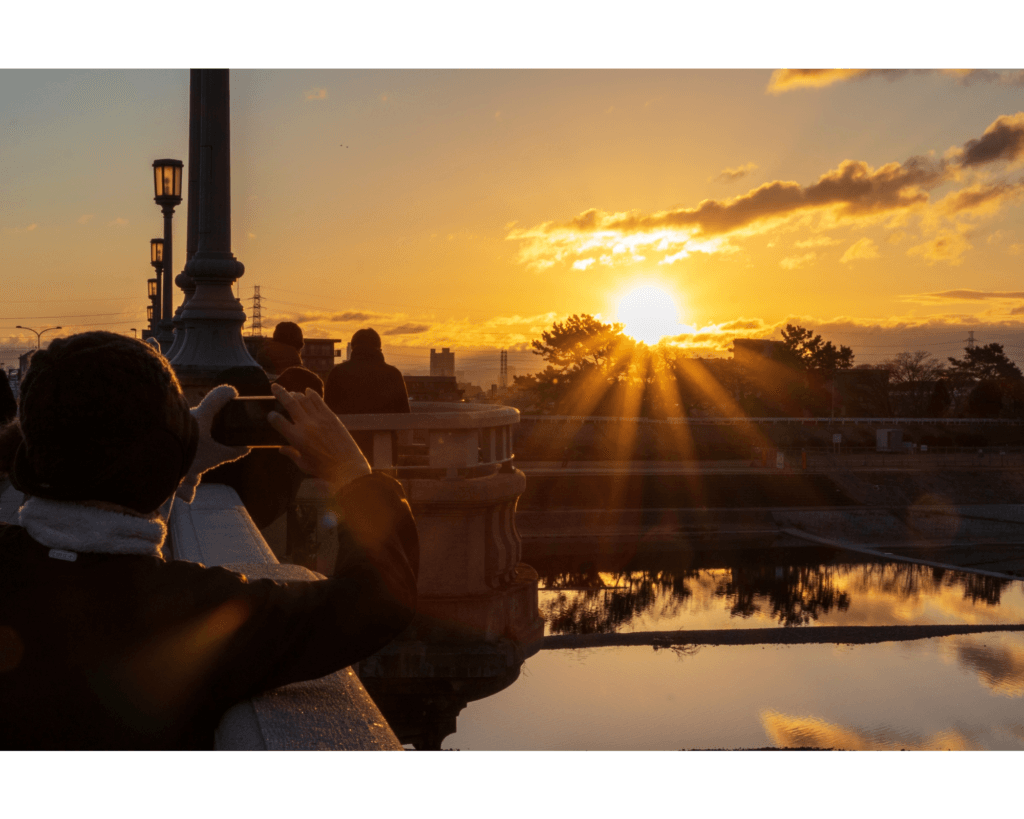
Your journey doesn’t end with New Year Eve!
On January 1st, many people watch Hatsuhinode, the first sunrise of the year.
Coastal areas and mountaintops become popular viewing spots and can get crowded before dawn.
After sunrise, visiting a shrine for Hatsumode completes the Japanese New Year experience.
These moments allow travelers to connect deeply with the cultural spirit of Japan.
Summary
Japan’s New Year Eve contrasts sharply with Western celebration styles, yet its charm is undeniable.
You’ll experience temple bells echoing through the quiet night, the sacred stillness of shrines, and the soft glow of city lights where excitement meets calm.
Depending on where you go, you can enjoy a night that is peaceful, lively, or deeply cultural.
Plan your evening around your personal style, and you’ll create unforgettable memories during your Japanese New Year Eve in Japan!