Introduction.
Majestic, symmetrical, and deeply spiritual—Mt. Fuji (Fujisan) is more than just Japan’s highest mountain.
It’s a place where nature and faith meet, and where climbing becomes a journey of reflection.

While Mt. Fuji is often described as a mountain anyone can climb, it demands respect.
Every year, accidents occur due to poor preparation, light clothing, or climbing outside the official season.
This guide covers the latest 2025 regulations, essential safety tips, and cultural etiquette,
helping you experience Japan’s sacred peak the right way.
Climbing Season & Safety
The official climbing season runs from early July to early September.
Outside this period, Mt. Fuji is officially closed—mountain huts, toilets, and rescue teams are inactive.
Despite this, some still attempt off-season climbs or ascend in light clothing such as T-shirts and sandals,
resulting in frequent rescues and even fatalities.
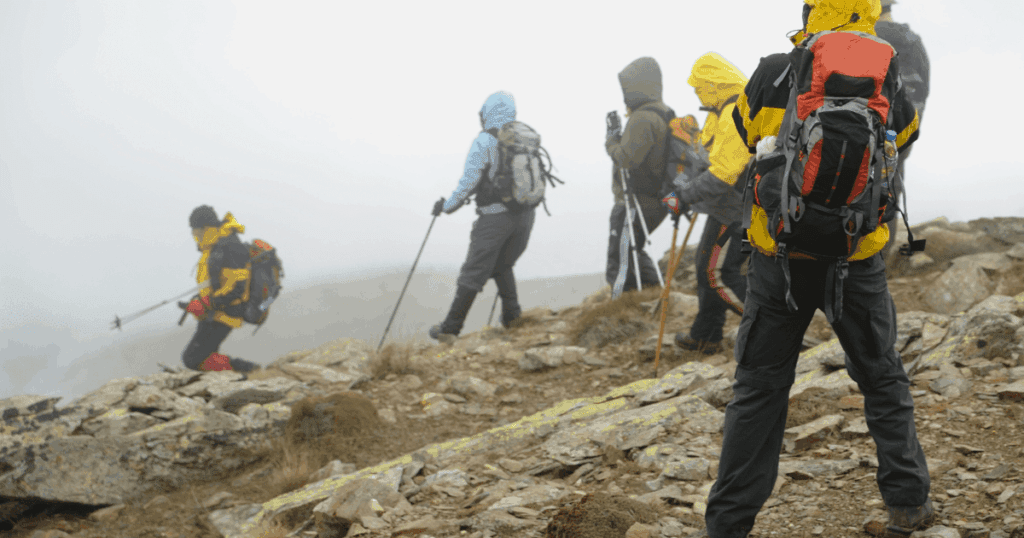
Even in mid-summer, temperatures at the summit can drop to 0 °C (32 °F),
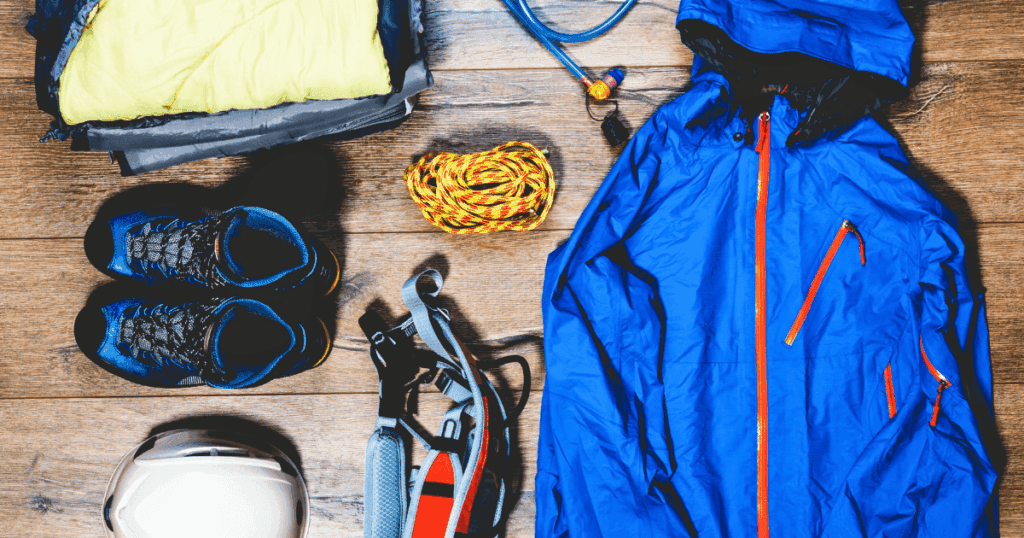
and strong winds are common. Warm, waterproof gear is essential.

Always check the latest conditions on the official site:
Fujisan Climb Official Website.
New rules from 2025
Starting in 2025, all climbing routes require a ¥4,000 admission fee.
The system supports environmental protection and mountain safety operations.
- Advance online registration required (opens in April)
- Mountain huts must be booked separately (early reservations recommended)
- Restricted entry hours: No entry between 2 p.m. – 3 a.m. (unless staying overnight in a hut)
Climbing Mt. Fuji means entering a living natural environment.
Respect the rules, and climb responsibly to preserve this world-famous site.
Main Climbing Routes
Mt. Fuji has four main routes, each with different distances, difficulty, and crowd levels.
Routes are color-coded — follow your route’s color markers carefully and avoid switching paths mid-way.
| Route | Starting Point | Features |
|---|---|---|
| Yoshida Route (Yamanashi Pref.) | Fuji Subaru Line 5th Station | Most popular; many huts and toilets. Ideal for first-timers and sunrise climbs. |
| Fujinomiya Route (Shizuoka Pref.) | Fujinomiya 5th Station | Shortest route but steep; requires good fitness. |
| Subashiri Route | Subashiri 5th Station | Passes through lush forest; sandy “Sunabashiri” descent. |
| Gotemba Route | Gotemba New 5th Station | Longest and quietest; fewer huts, suited for experienced climbers. |
The Yoshida Route is the most crowded and beginner-friendly.
Gotemba is long and challenging but peaceful.
Sunrise Climb & Ohachi-Meguri Crater Walk
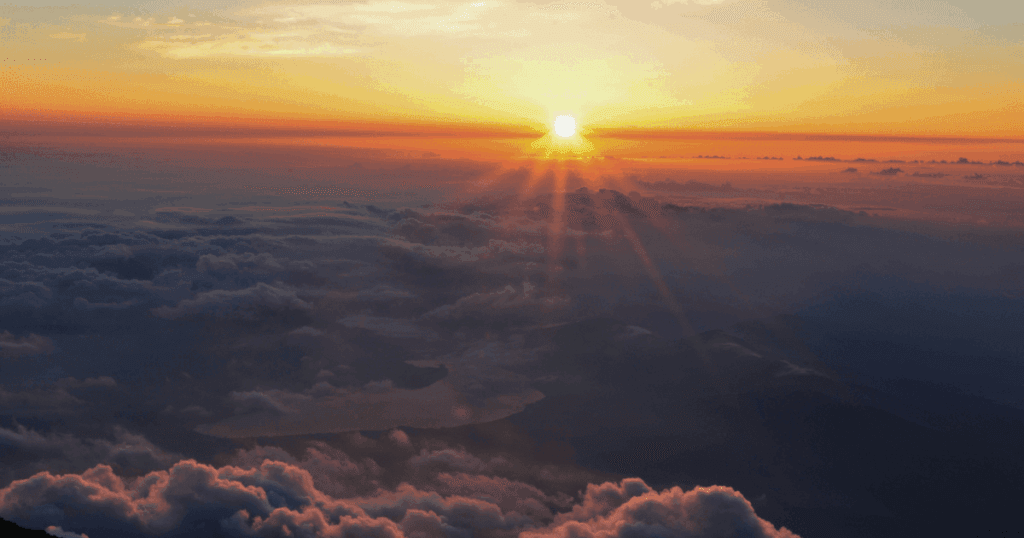
One of the most emotional moments on Mt. Fuji is watching the sunrise (goraikō).
However, due to its popularity, congestion near the summit often occurs around dawn.
To avoid the crowds, consider watching the sunrise from your mountain hut before continuing upward.
You’ll see the same breathtaking view without the rush.
After reaching the summit, take time for the Ohachi-meguri crater circuit,
a 90-minute trail around the rim of Mt. Fuji’s crater.
From Japan’s highest point, Kengamine Peak (3,776 m), you can gaze across the clouds in every direction.
Pre-Climb Checklist
- Submit your climbing notification online
- Reserve your mountain hut early (July–August fills quickly)
- Bring cash (for toilets. Electronic payment may be accepted on the mountain.)
- Essential gear: warm layers, rain gear, headlamp, map (rental gear available)
- If you feel unwell, descend immediately
2025 Climbers — Approx. 205,000 people
Yoshida 120,000 / Fujinomiya 55,000 / Subashiri 22,000 / Gotemba 7,000
Manners & On-Site Information
- Do not collect plants, rocks, or volcanic soil
- No camping, fires, graffiti, or littering (protect the environment)
- Toilets require a small cash donation (¥100 – ¥300)
- Keep facilities clean and avoid touching safety ropes
- Pets and off-trail hiking are prohibited
Water & Food on the Mountain
Water is precious on Mt. Fuji.
While food and drinks are sold at mountain huts, prices are high because everything must be carried up.
Bring basic water and snacks from the base for convenience and budget.
Access & Weather
Private cars are restricted during climbing season.
Use official buses or shuttles to reach the 5th stations.
Check weather updates regularly—cell service is available on most routes.

Climb with Confidence
If you’re a first-timer or international visitor, consider joining a guided Mt. Fuji tour.
Professional guides handle route navigation, hut bookings, and safety management.
Also remember:
- Never climb alone if you lack experience or physical strength
- Build fitness in advance through regular exercise
- Study the routes, gear, and weather before your trip
These small steps make your climb safer and far more rewarding.
*Affiliate link (Klook official partner)
Enjoying Mt. Fuji Without Climbing
You don’t have to reach the summit to feel Mt. Fuji’s presence.
- Yoshida Trail 5th Station Observation Area
A perfect spot to see Mt. Fuji up close without climbing. Cafés and souvenir shops make it a pleasant half-day trip. - “100 Scenic Views of Mt. Fuji” Trails
Discover walking routes and viewpoints from neighboring hills and plains.
Each offers a unique seasonal perspective of Japan’s most iconic mountain.
🔗 We’ll introduce more in our upcoming feature: “Best Places to See Mt. Fuji in Japan.”
Summary
Climbing Mt. Fuji is not just about reaching Japan’s highest point—
it’s about meeting your own limits and feeling a profound connection to nature.
The quiet before dawn, the glow of mountain huts in the mist, and the sun rising above the clouds—each moment becomes an unforgettable part of your journey in Japan.
Whether you climb or simply watch from afar, find your own Mt. Fuji to remember.