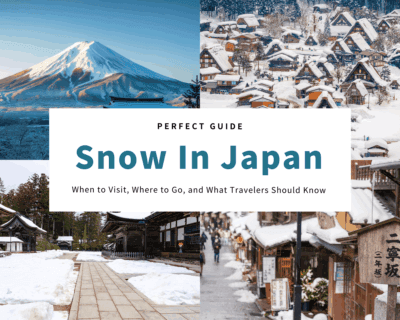
Hokkaido is a vast island that accounts for nearly 22% of Japan’s total land area.
Because of its sheer size, many first-time visitors find themselves wondering:
“Where should I go?”
“How far apart are the major destinations?”
However, planning a trip to Hokkaido becomes much easier once you understand the region as eight distinct travel areas, each with its own character and strengths.
In this guide, we clearly explain:
- The key features of Hokkaido’s main areas
- What type of travel each area suits best
- Major highlights and realistic distances between destinations
Think of this article as your very first map to Hokkaido—one you’ll want to save and revisit while planning your trip!
Sapporo
The Ultimate Base for Exploring Hokkaido: City Comfort Meets Nature!

Sapporo is the largest city in Hokkaido and serves as the main gateway to the region.
From New Chitose Airport, you can reach the city in about 40 minutes by JR rapid train.
Moreover, Sapporo’s extensive underground walkways make winter travel far more comfortable, while the city’s food scene ranks among the best in Japan. As a result, Sapporo works perfectly in any season.
▼ Key Features
- Local cuisine such as Sapporo ramen, soup curry, and Genghis Khan (grilled lamb)
- Compact sightseeing areas like Odori Park, the Former Hokkaido Government Building, and Susukino
- Excellent access to Otaru, Asahikawa, and Lake Shikotsu for day trips
▼ Best For
- First-time visitors to Hokkaido
- Travelers who want both urban life and nature
- Short trips that still feel full and satisfying
Above all, staying in Sapporo gives you the freedom to go almost anywhere in Hokkaido with ease.
Otaru
A Nostalgic Port Town for Relaxed Strolling!
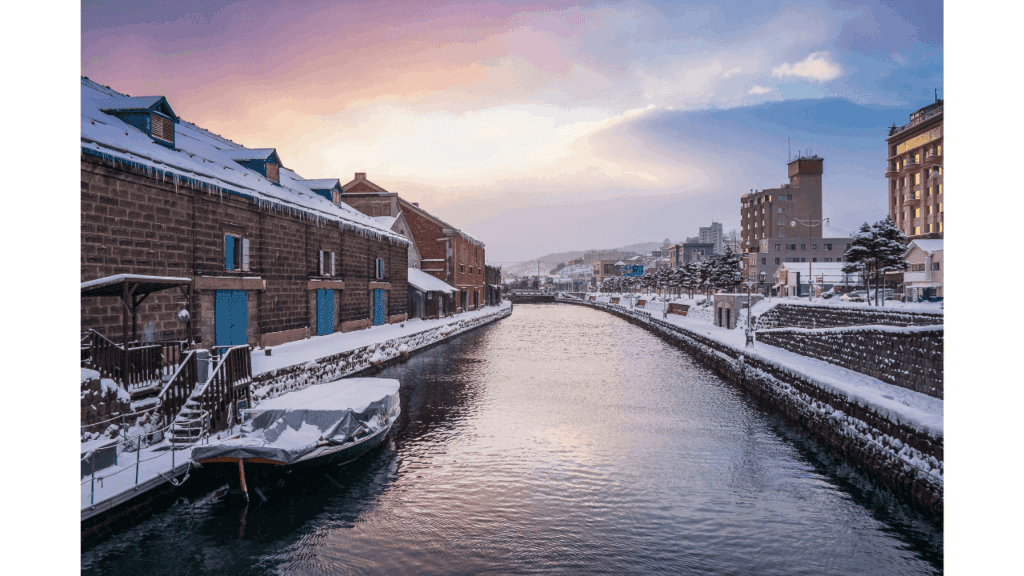
Located just 30–40 minutes from Sapporo by train, Otaru feels like a completely different world.
Stone warehouses, glass workshops, and historic streets give this harbor town a charming, old-fashioned atmosphere.
▼ Key Features
- A photogenic canal lined with historic buildings
- Excellent cafés, desserts, and sweets
- Surprisingly high-quality seafood
▼ Best For
- Slow-paced walking and sightseeing
- Café hopping
- A short seaside escape in one day
As a result, Otaru stands out as one of the best day trips from Sapporo.
Read also|An easy one-day trip from Sapporo
If you are based in Sapporo, a day trip to Otaru is not to be missed. We introduce in detail a model course that allows you to enjoy seafood gourmet, retro townscape, and café tours in a single day.
Read the day trip guide from Sapporo to OtaruHakodate
Night Views, Morning Markets, and International Flair

Hakodate offers a rich mix of scenery and culture.
In the morning, you enjoy fresh seafood at the market. During the day, you stroll through historic neighborhoods. At night, you take in one of Japan’s most famous views.
▼ Key Features
- Mount Hakodate’s night view, often listed among the world’s best
- Lively seafood markets
- The historic Motomachi district
- Goryokaku Tower, overlooking a star-shaped fort
▼ Best For
- Romantic trips
- Food-focused travel
- Travelers who enjoy walking through historic streets
Although Hakodate sits about 3.5–4 hours from Sapporo by limited express train, many travelers say it was “absolutely worth the journey.”
Asahikawa
Wildlife and Mountains in Perfect Balance

Asahikawa is home to Asahiyama Zoo, one of Japan’s most beloved zoos, famous for showcasing animals’ natural behaviors.
At the same time, the city serves as a gateway to Daisetsuzan National Park, where you can reach high-altitude landscapes via the Asahidake Ropeway.
▼ Key Features
- Asahiyama Zoo
- Easy access to mountain scenery
- About 1.5 hours from Sapporo by train
▼ Best For
- Family trips
- Nature and outdoor activities
- Animal lovers
Thanks to this balance, Asahikawa uniquely combines urban convenience with immediate access to nature.
Must-visit experiences in Asahikawa
Asahiyama Zoo is one of the most highly regarded zoos in Japan! The zoo’s exhibition methods bring out the natural behavior of the animals, making it enjoyable for adults and children alike.
View Asahiyama Zoo details and ticket informationFurano & Biei
Iconic Landscapes That Define Hokkaido
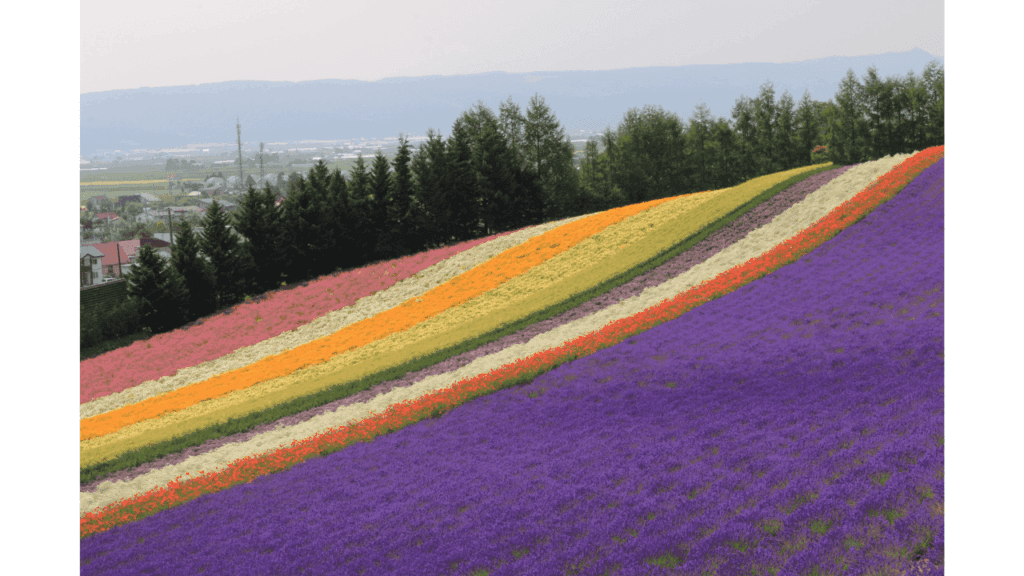
Rolling hills, colorful flower fields, and vast open skies—this is the image many people associate with Hokkaido.
▼ Key Features
- Lavender fields at their peak in summer
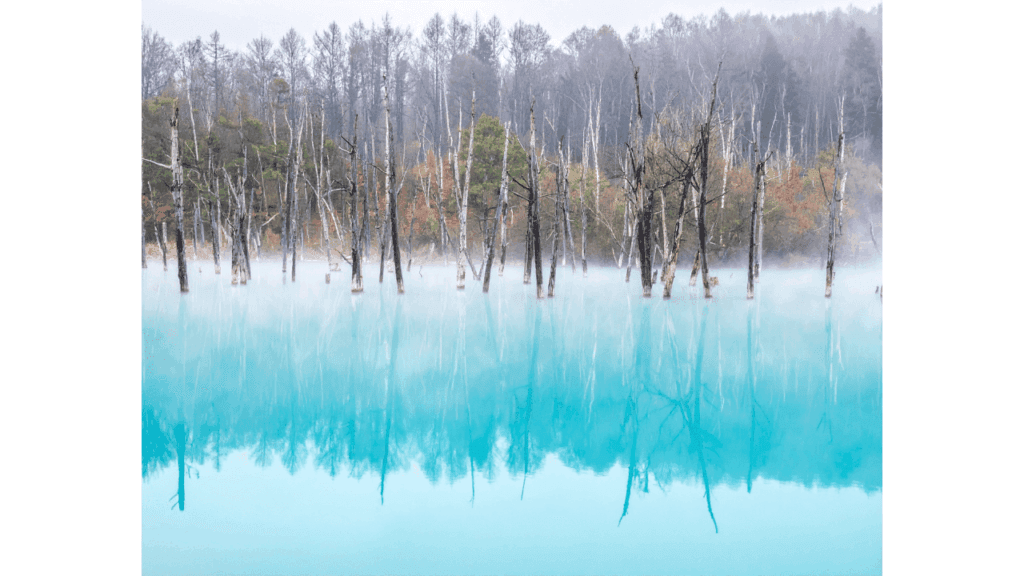
- Scenic spots like the Blue Pond and Patchwork Road
- Ideal conditions for scenic drives
▼ Best For
- Nature lovers and photographers
- Road trips
- Slow, scenic travel
Because the scenery changes dramatically with the seasons, many travelers return again and again without getting bored.
Niseko
World-Famous Powder Snow and Resort Living
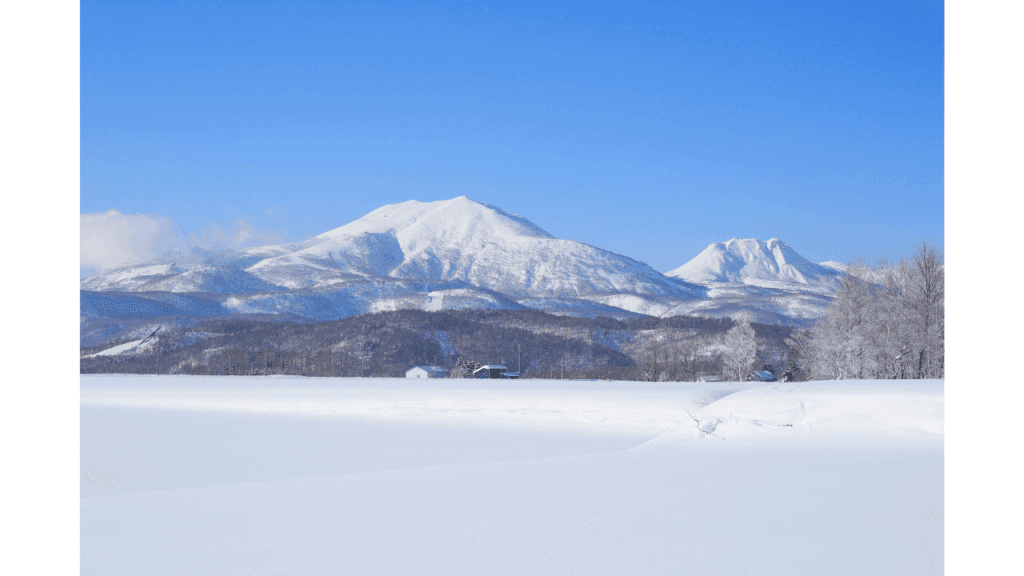
Niseko has earned international fame for its exceptionally light powder snow, attracting skiers from around the world.
However, the appeal doesn’t end in winter. In summer, outdoor activities, cafés, and mountain views turn Niseko into a true all-season resort.
▼ Key Features
- Premium powder snow
- Stunning views of Mount Yotei
- High-end hotels and dining
▼ Best For
- Skiing and snowboarding
- Winter-focused trips
- Luxury stays
In recent years, green-season travel has also grown in popularity.
Shiretoko
World Heritage: Wild Hokkaido at Its Most Untouched
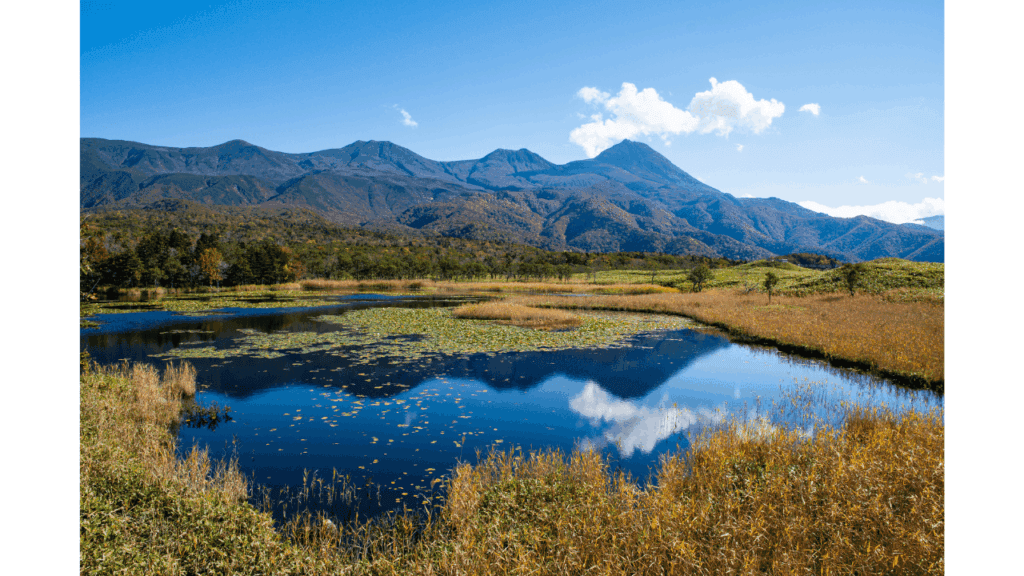
Shiretoko feels truly different from anywhere else in Japan.
Drift ice, brown bears, dramatic cliffs, and untouched forests dominate the landscape.
▼ Key Features
- Exceptional wildlife density
- Boat cruises along rugged coastlines
- Popular winter drift-ice experiences
▼ Best For
- Adventure travel
- Wildlife enthusiasts
- Travelers seeking nature over cities
Among all areas in Hokkaido, Shiretoko offers the strongest sense of entering another world.
Eastern Hokkaido (Kushiro, Akan, Mashu)
Wetlands, Lakes, Hot Springs, and Indigenous Culture
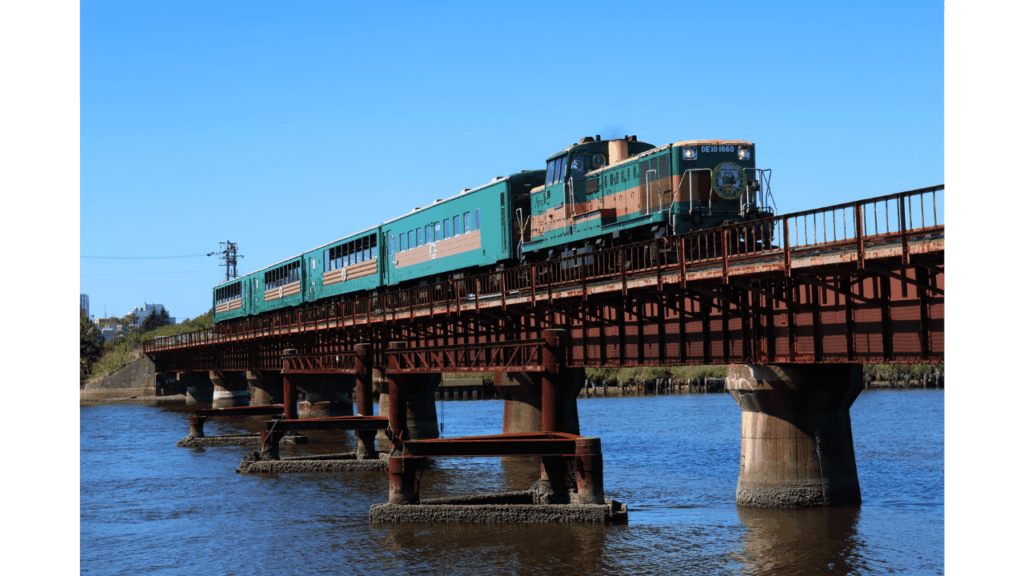
The East of Hokkaido offers a deep taste of nature, hot springs, and Ainu culture.
▼ Key Features
- Kushiro Marsh, Japan’s largest wetland
- The crystal-clear waters of Lake Mashu
- Hot springs around Lake Akan
- Opportunities to learn about Ainu culture
▼ Best For
- Nature-focused travel
- Hot spring trips
- Cultural exploration
This area suits travelers who want to understand the deeper layers of Hokkaido.
Understanding Distances in Hokkaido
Why Knowing Travel Times Changes Everything
Hokkaido is large, but once you grasp realistic travel times, planning becomes far easier.
- Sapporo → Otaru: 30–40 minutes
- Sapporo → Asahikawa: about 1.5 hours
- Sapporo → Furano: around 2 hours
- Sapporo → Hakodate: 3.5–4 hours
- Sapporo → Shiretoko (via Memanbetsu Airport): 4–5 hours
Simply understanding these distances makes itinerary planning dramatically easier.
Recommended Routes for First-Time Visitors to Hokkaido

2–4 Days: Sapporo-Based Trip
For first-time visitors, staying in Sapporo and taking day trips works best.
You explore Sapporo’s food and sights, then visit Otaru by train. With extra time, you can reach Asahikawa or relax in nature around Lake Shikotsu.
This route offers excellent balance with minimal travel stress.
5–7 Days: Classic Loop Route
If you want to see more, start in Hakodate and travel north to Sapporo.
From there, add side trips to Otaru and Furano, then finish in Asahikawa.
Cities, food, nature, and scenery all come together in one rewarding journey.
Nature-Focused Route
For travelers drawn to landscapes over cities, focus on Eastern Hokkaido.
Kushiro Marsh, Lake Mashu, and Lake Akan provide a slower, deeper experience.
This route suits travelers who prefer authentic nature over flashy attractions.
Summary

Hokkaido is vast.
However, once you understand these eight key areas, planning your trip becomes far more manageable.
Start by choosing the areas that interest you most, then explore them in more depth.
Use this article as your central Hokkaido hub, and feel free to return to it whenever you plan your next journey!
Reference Links|Hokkaido Latest and Official Information
It is always a good idea to check official information on weather, traffic, and events before departure.
Check the official Hokkaido website