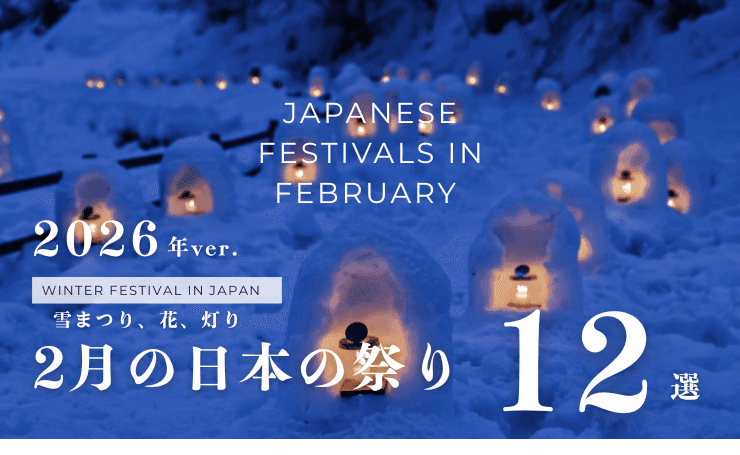
February in Japan is cold, yes—but it’s also one of the most atmospheric months to travel. The air feels crisp and clear, winter scenery looks sharper, and seasonal events range from giant snow sculptures to lantern-lit night walks, powerful shrine rituals, and even early plum and cherry blossoms.
Below is a curated list of February festivals across Japan, with 2026 dates and official links. (Schedules can change year to year, so please double-check the latest updates before you go.)
- Sapporo Snow Festival (Sapporo, Hokkaido)
- Asahikawa Winter Festival (Asahikawa, Hokkaido)
- Otaru Snow Light Path Festival (Otaru, Hokkaido)
- Hirosaki Castle Snow Lantern Festival (Hirosaki, Aomori)
- Nagasaki Lantern Festival (Nagasaki, Japan)
- Namahage Sedo Festival (Oga, Akita)
- Yokote Snow Festival (Kamakura) (Yokote, Akita)
- Hachinohe Enburi (Hachinohe, Aomori)
- Mito Plum Blossom Festival (Mito, Ibaraki/Kairakuen)
- Kawazu Cherry Blossom Festival (Kawazu, Shizuoka)
- Tokamachi Snow Festival (Tokamachi, Niigata)
- Katsuura Big Hina Matsuri(Katsuura, Chiba)
- Saidaiji Eyo (Hadaka Matsuri) (Okayama, Saidaiji)
- Travel Tips for February Festival Trips (Clear & Practical)
Sapporo Snow Festival (Sapporo, Hokkaido)
Sapporo turns its city center into an open-air winter gallery, lined with massive snow sculptures that feel closer to architectural works than simple “snow art.” If you can, see them twice: daytime reveals the craftsmanship, while nighttime lighting makes the same sculptures look completely different. In addition to the main Odori Park area, Susukino’s ice sculptures add another layer of winter magic.
Dates: Feb 4 (Wed) – Feb 11 (Wed, holiday), 2026
Official: https://www.snowfes.com/
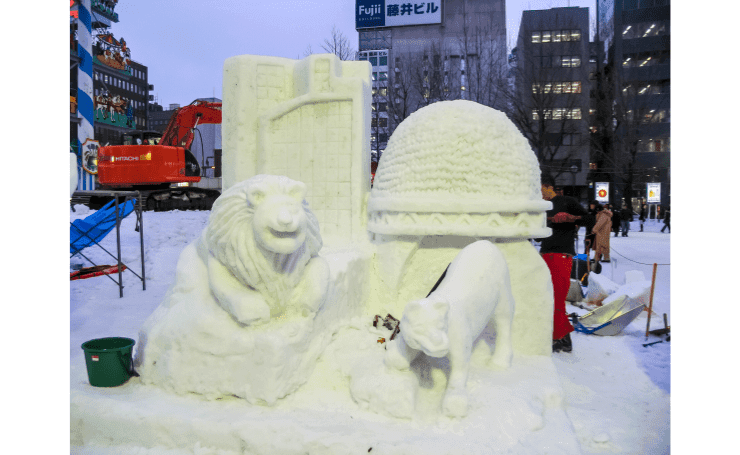
Asahikawa Winter Festival (Asahikawa, Hokkaido)
Asahikawa’s festival stands out for sheer scale. The main snow sculpture is enormous in person, and the venue feels more like a full-day winter fair with activities, food, and stage events. If you’re doing a Hokkaido winter trip, it pairs well with Sapporo—same season, very different vibes.
Dates: Feb 5 (Thu) – Feb 11 (Wed, holiday), 2026
Official: https://asahikawa-winterfes.com/
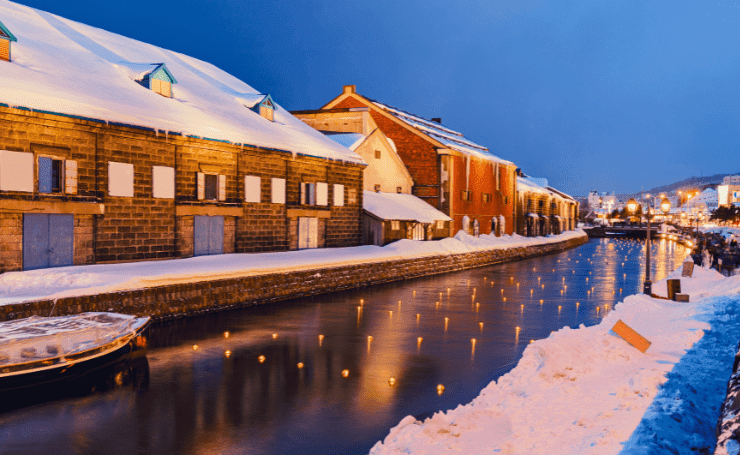
Otaru Snow Light Path Festival (Otaru, Hokkaido)
Otaru’s canal and streets glow with small candlelights set into snow, creating a soft, quiet beauty that feels distinctly Hokkaido. Rather than one single “main stage,” the charm comes from wandering: lights appear in pockets around town, and the best moments often come from slow detours.
Dates: Feb 7 (Sat) – Feb 14 (Sat), 2026
Official: http://yukiakarinomichi.org/
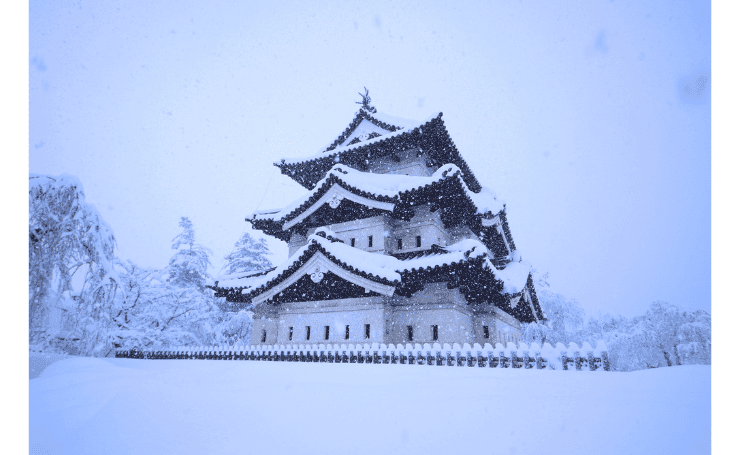
Hirosaki Castle Snow Lantern Festival (Hirosaki, Aomori)
Hirosaki Castle in winter already feels special, and the snow lanterns and small “mini-kamakura” lights make it even more cinematic. It’s a calm, scenic evening walk rather than a loud party—perfect if you like winter landscapes with a traditional Japanese backdrop. Arrive before sunset, explore the park, then stay as the lights come on.
Dates: Feb 6 (Fri) – Feb 11 (Wed, holiday), 2026
Official: https://www.hirosaki-kanko.or.jp/edit.html?id=cat02_winter_yuki
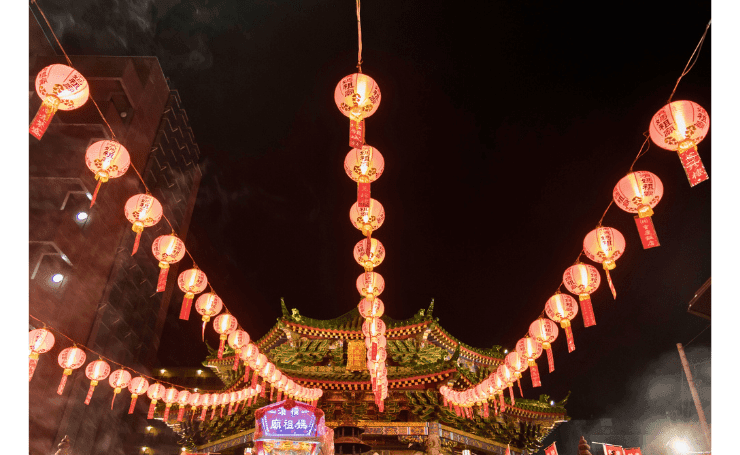
Nagasaki Lantern Festival (Nagasaki, Japan)
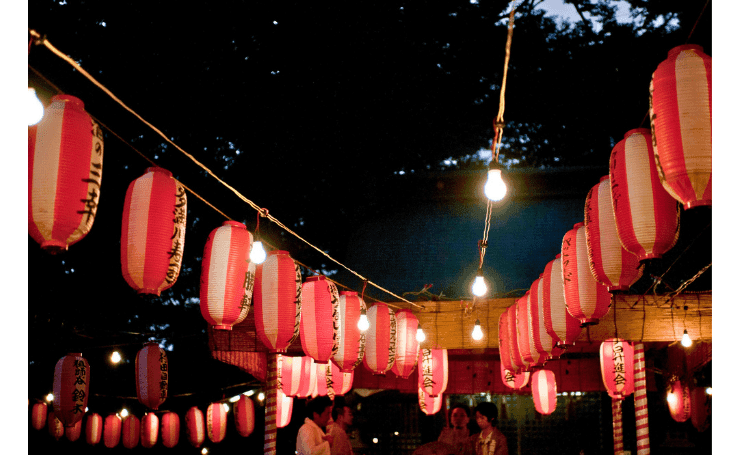
If you want color in February, Nagasaki delivers. The city fills with lanterns and large illuminated displays, especially around Chinatown and the downtown area, so your evening walk naturally becomes the main attraction. Street food is a big part of the experience too—plan to snack as you wander.
Dates: Feb 6 (Fri) – Feb 23 (Mon, holiday), 2026
Official: https://en.at-nagasaki.jp/lantern-festival
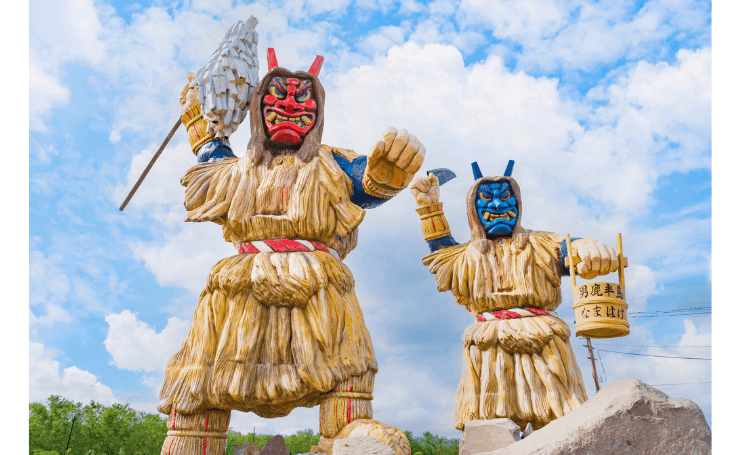
Namahage Sedo Festival (Oga, Akita)
This is one of Japan’s most intense winter experiences: torch flames in the snow, a shrine setting, and the dramatic appearance of Namahage figures. Namahage are men wearing straw capes and fearsome demon-like masks, traditionally going house to house to “scare away laziness” and bring good fortune. The atmosphere feels ritual-driven rather than “made for show,” and that’s exactly why it stays with you. Some years require advance reservations or tickets due to crowd control, so check the official updates carefully.
Dates: Feb 13 (Fri), 14 (Sat), 15 (Sun), 2026
Official: https://oganavi.com/sedo/
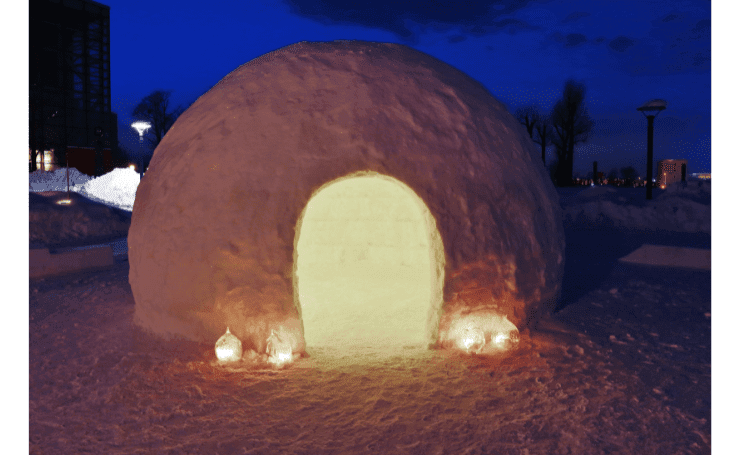
Yokote Snow Festival (Kamakura) (Yokote, Akita)
Yokote’s kamakura (snow huts) look charming from the outside, but the real appeal is stepping inside. The soft light, the quiet warmth, and the sense of winter life in a snow country create a surprisingly calming moment. The festival is especially enjoyable at night, when the town feels gently illuminated.
Dates: Feb 13 (Fri) & Feb 14 (Sat), 2026
Official: https://www.yokotekamakura.com/
Hachinohe Enburi (Hachinohe, Aomori)
Enburi is a traditional performance said to “call in spring.” The rhythm, movement, and distinctive headwear create a style you won’t easily forget. Because performances often happen across the city (not only in a single hall), you can experience a lively, “the town becomes the stage” feeling—ideal if you enjoy culture that feels local and lived-in.
Dates: Feb 17 (Tue) – Feb 20 (Fri), 2026
Official: https://visithachinohe.com/stories/enburi_schedule/
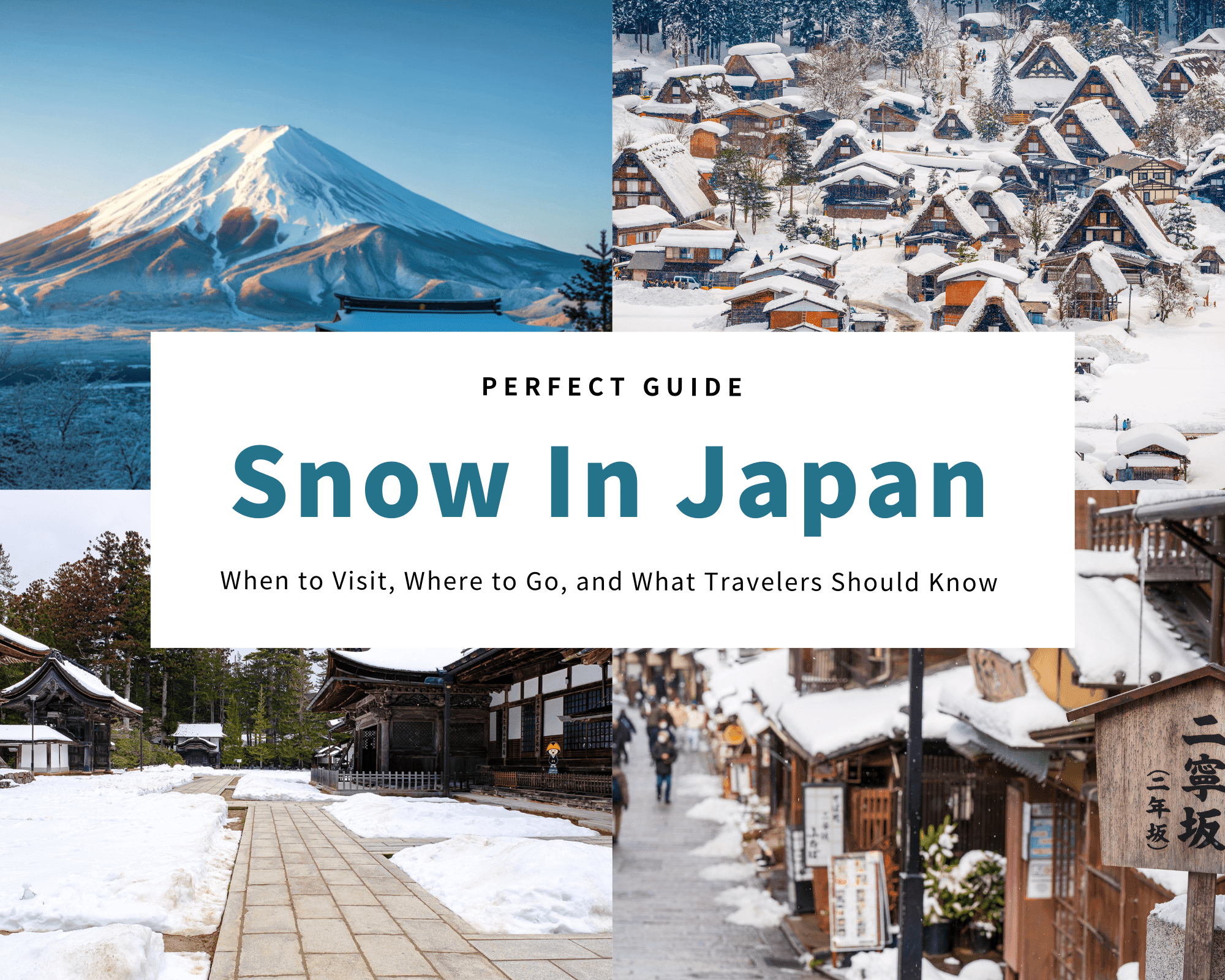
This article tells you more about snow in Japan!
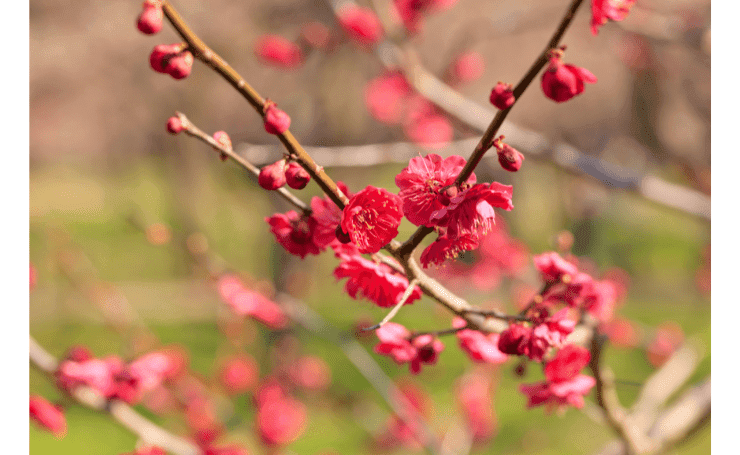
Mito Plum Blossom Festival (Mito, Ibaraki/Kairakuen)
For a clear sign of early spring, plum blossoms are hard to beat. Kairakuen’s scale makes it easy to spend a relaxed half day walking through different areas as buds open at different speeds. If you pair it with nearby Kodokan, the day flows nicely from flowers into history and architecture.
Dates: Feb 11 (Wed, holiday) – Mar 22 (Sun), 2026
Official: https://mitokoumon.com/event/history/mitoplumblossumfestival/
Kawazu Cherry Blossom Festival (Kawazu, Shizuoka)
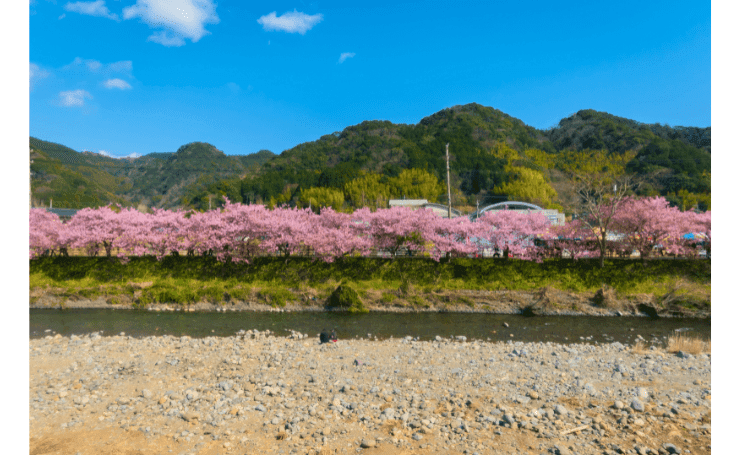
Kawazu Sakura is the festival that updates your “cherry blossoms = late March” assumption. The deeper pink blooms line the riverside, and the clear winter air makes the color pop even more. Food stalls and a light “hanami” mood appear early here, so it’s an easy highlight for a February itinerary.
Dates: Feb 7 (Sat) – Mar 8 (Sun), 2026
Official: https://kawazuzakura.jp/
Tokamachi Snow Festival (Tokamachi, Niigata)
Tokamachi blends big snow sculptures with a more handcrafted, community-based feel. You’ll often move between multiple local areas, and that’s part of the fun—each site shows a different face of “life with snow,” with practical ingenuity and a bit of humor.
Dates: Feb 20 (Fri), 21 (Sat), 22 (Sun), 2026
Official: https://snowfes.jp/hp/contact/tokamachi-snow-festival/
Katsuura Big Hina Matsuri(Katsuura, Chiba)
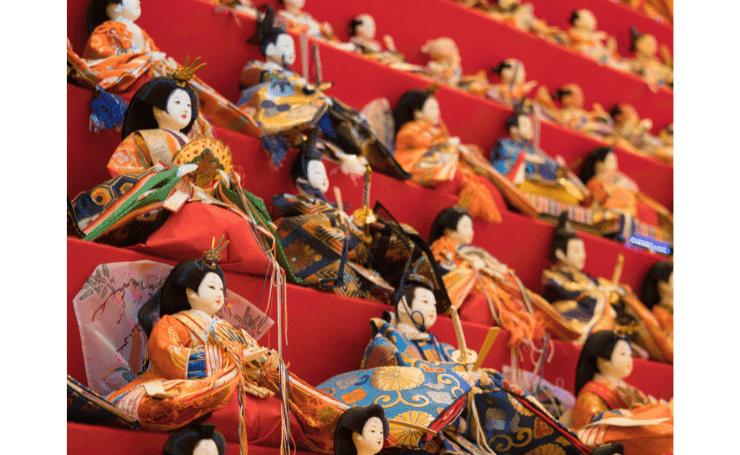
Rows of hina dolls displayed on shrine steps create a striking scene—beautiful, orderly, and very “only in Japan.” The town also places decorations in multiple spots, which makes it a pleasant walk-and-discover kind of event. Since it starts in late February, it’s also a nice reason to choose the Boso area in winter.
Dates: Feb 21 (Sat) – Mar 3 (Tue), 2026
Official: https://www.city.katsuura.lg.jp/
Saidaiji Eyo (Hadaka Matsuri) (Okayama, Saidaiji)
Often called a “naked festival,” Saidaiji Eyo is rooted in prayers for good fortune and purification. Participants typically wear a traditional white loincloth (fundoshi) and rush through the temple grounds at night, competing in a highly energetic ritual to seize sacred talismans believed to bring luck. The late-night energy is powerful, and even as a spectator you can feel the intensity. If you want a truly memorable winter experience in western Japan, this one stands out.
Date: Feb 21 (Sat), 2026
Official: https://okayama-cci.or.jp/activation/saidaijieyo/saidaijieyo_en.html
Travel Tips for February Festival Trips (Clear & Practical)
February festivals are easy to enjoy if you plan for two things: wind-chill and movement after dark. Night illuminations often mean more standing still, and that’s when the cold catches up fast—so a few small choices make a big difference.
- Layer with small items (the easiest way to adjust): Bring gloves, a scarf or neck warmer, and pocket hand warmers. If your ears get cold, a beanie or ear warmers helps a lot—especially for nighttime events.
- Prioritize traction over “warm-looking” shoes: Snowy regions (and even wet streets elsewhere) can get slippery. Choose soles with good grip when possible. For socks, a thin base layer plus a thicker layer feels warmer and often breathes better.
- Decide your “way back” before you arrive: Crowds move all at once when an event ends. Check the route to the nearest station, last trains, and any shuttle or extra buses. For accommodation, “easy return from the venue” often beats “near the station.”
- Plan your photo setup for cold weather: Low temperatures can drain phone batteries faster, so a mobile battery helps. Also, if you preview your route before sunset, you can take photos efficiently once the lights turn on—less waiting, less fatigue, fewer shaky shots.
- Do a final official check 24–48 hours before: Weather can change schedules and access. Confirm event updates, traffic controls, and transport notices shortly before you go, and leave a little buffer in your itinerary.
Winter lights and snow scenes feel even more beautiful in February’s clear air. Find a festival that fits your travel style, and go enjoy it.hope you will find a festival that suits you best.
Let’s warm up with regional hot pots!