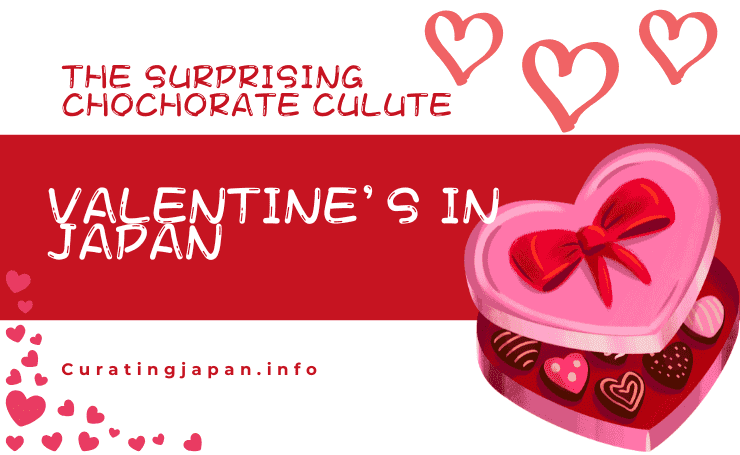
Valentine’s Day in Japan looks familiar at first—February 14, hearts, and sweets. However, once you spend the season here, you’ll notice something very different: Japan’s Valentine’s Day is traditionally about women giving chocolate, and the meaning of that chocolate changes depending on the relationship.
Even better for travelers? Valentine season turns into a chocolate festival across department stores, stations, and convenience stores. So, you can enjoy it as a cultural experience—whether you’re buying gifts, souvenir sweets, or simply sampling limited-edition treats.

- The key difference: in Japan, women usually give chocolate
- The “chocolate dictionary” you’ll hear in Japan
- Why chocolate? A quick cultural context
- Where travelers can enjoy Valentine season in Japan
- What happens after Valentine’s? White Day (March 14)
- Etiquette for visitors (so you don’t feel awkward)
- A simple way to experience Valentine’s Day in Japan
- Closing thought
The key difference: in Japan, women usually give chocolate
In many Western countries, Valentine’s Day centers on couples exchanging gifts (often flowers). In Japan, the classic style developed as:
- Women → Men
- Chocolate as the main gift
- Different “types” of chocolate depending on the context
These customs spread through modern retail culture and seasonal campaigns, and over time they expanded into several recognizable categories.

The “chocolate dictionary” you’ll hear in Japan
Honmei-choco (本命チョコ) — “the real one”
This is chocolate for a romantic interest or partner. People often choose higher-quality brands, beautifully packaged boxes, or something personal.
If you see small luxury boxes at department stores with elegant wrapping, many shoppers are browsing for honmei-choco.

Giri-choco (義理チョコ) — “obligation chocolate”
This is the famous Japanese term that surprises many visitors. Giri-choco is chocolate given out of courtesy, often in workplaces (to bosses, colleagues, clients) or to people you want to acknowledge politely.
Today, many workplaces are moving away from strict giri-choco expectations, but the word still matters culturally—it explains why Valentine’s chocolate isn’t always romantic in Japan.

Tomo-choco (友チョコ) — “friend chocolate”
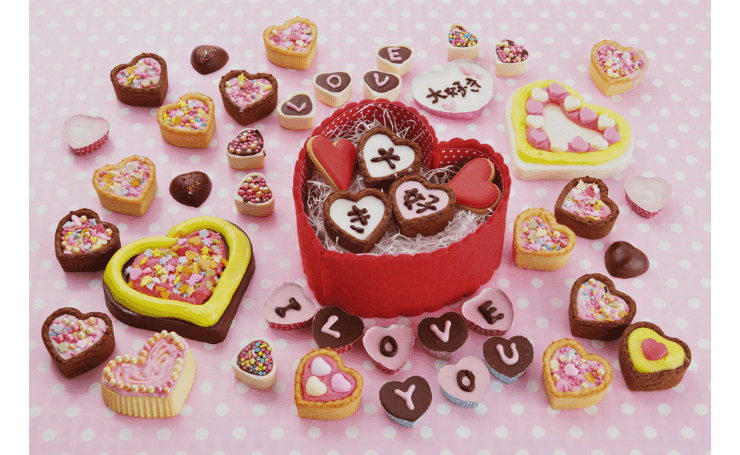
Tomo-choco grew popular as Valentine’s became more social. Friends—especially students—exchange chocolates, often in cute packaging.
If you visit Japan in early February, you’ll notice craft corners, wrapping supplies, and small “shareable” sweets everywhere. That’s tomo-choco energy.
Jibun-choco (自分チョコ) — “chocolate for myself”
One of the most modern (and honestly, best) trends: people buy premium chocolate as a personal treat. This shift helped turn Valentine season into a gourmet event where you don’t need a “recipient” at all.
Good news: As a traveler, jibun-choco makes it completely normal to splurge on a beautiful box “just because.”
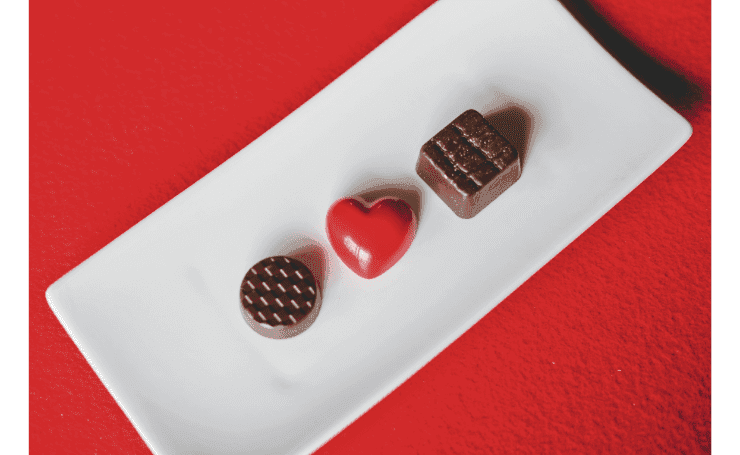
Why chocolate? A quick cultural context
Japan’s Valentine’s Day became strongly linked to chocolate through seasonal marketing and department store culture, and it stuck—because it fits Japan’s gift-giving habits so well:
- Beautiful packaging matters
- Limited-time seasonal items feel special
- Small gifts work perfectly for social relationships
So, Valentine’s in Japan isn’t only about romance. It’s also about social ties, gratitude, and seasonal joy—all expressed through sweets.

Where travelers can enjoy Valentine season in Japan
1) Department store “Chocolate Fairs”
From late January through February 14, major department stores run large Valentine events with:
- artisan Japanese chocolatiers
- famous international brands
- tasting sets and limited editions
- gorgeous gift wrapping
Look for these in places like:
- Isetan, Takashimaya, Mitsukoshi, Daimaru, Hankyu (varies by city)
Even if you don’t buy anything, the displays alone feel like a seasonal exhibition.
2) Convenience stores and supermarkets
If you want a fun, local snapshot of the season, check:
- convenience stores for limited seasonal sweets
- supermarkets for affordable gift sets
- stationery corners for wrapping supplies
This is also the easiest way to pick up tomo-choco-style items.
3) Specialty chocolate shops & cafés
If you love dessert culture, Valentine season often brings:
- seasonal parfaits
- chocolate drinks
- limited cakes and gift boxes
It’s an easy “winter treat stop” between sightseeing spots.
When you shop, please refer this tip!

What happens after Valentine’s? White Day (March 14)
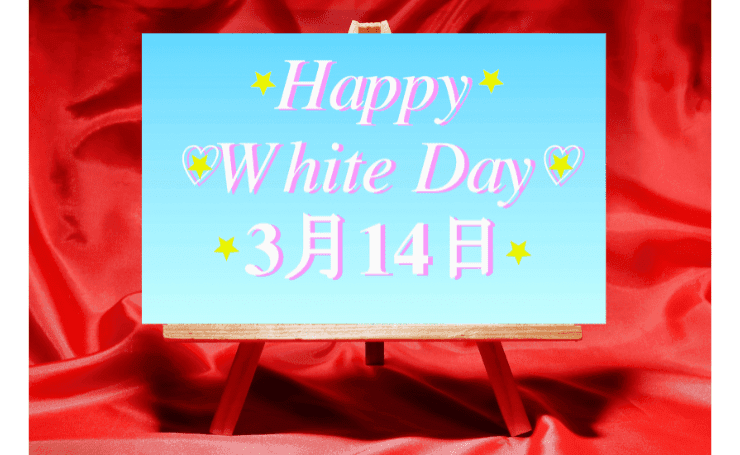
Japan has a follow-up holiday called White Day on March 14, when men traditionally return gifts to the women who gave them chocolate.
These days, couples and friends may treat it more casually, but it’s still a uniquely Japanese extension of the Valentine season—and it’s another great time to see seasonal sweets in stores.
Etiquette for visitors (so you don’t feel awkward)
- If someone explains “giri-choco,” don’t worry—it’s not an insult, it’s a cultural category.
- If you’re invited to exchange chocolate among friends, small gifts are perfectly fine.
- When in doubt, choose something simple and beautifully packaged. In Japan, presentation carries meaning.
A simple way to experience Valentine’s Day in Japan
If you want a traveler-friendly approach, try this mini plan:
- Visit a department store Valentine fair and browse limited editions
- Pick one small box as jibun-choco (a personal souvenir!)
- Add a few shareable sweets from a convenience store for friends back home
This way, you enjoy the culture without stressing about the “rules.”
Closing thought
Valentine’s Day in Japan isn’t just a holiday—it’s a seasonal window into how Japan expresses relationships through gifts: carefully chosen, beautifully wrapped, and often delicious. So, whether you’re traveling solo or with someone, February in Japan gives you a sweet, uniquely local experience you won’t find elsewhere.

Japanese school lunch is also unique. Please check this out!