When you hear Setsubun,
you might picture throwing beans and shouting “Oni wa soto! Fuku wa uchi!” (“Demons out! Good luck in!”).
However, Setsubun is actually much more relaxed and fun than it sounds.
You don’t need special knowledge, preparation, or strict rules to enjoy it.
In fact, these days, most people in Japan celebrate Setsubun simply by eating ehomaki sushi rolls.
That’s the real, modern way people enjoy this seasonal event.
In this article, you’ll learn:
- What Setsubun actually is
- How Japanese people really celebrate today
- The easiest way travelers can join in—without stress
What Is Setsubun?
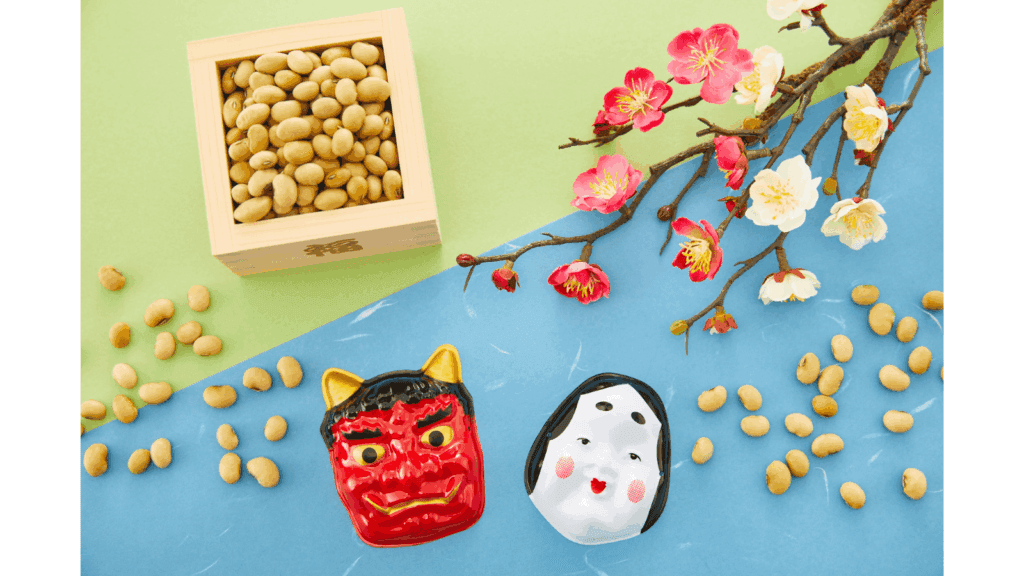
Setsubun marks a seasonal turning point in Japan.
Today, it usually falls on February 2 or 3, the day before Risshun (the beginning of spring).
Traditionally, people believed that:
- Seasonal changes made it easier to get sick
- Invisible bad luck or misfortune could slip in during this time
(There are several interpretations, but this idea is widely shared.)
As a result, Setsubun developed around one simple wish:
“Chase away bad things and welcome good fortune.”
Why Do People Throw Beans on Setsubun?
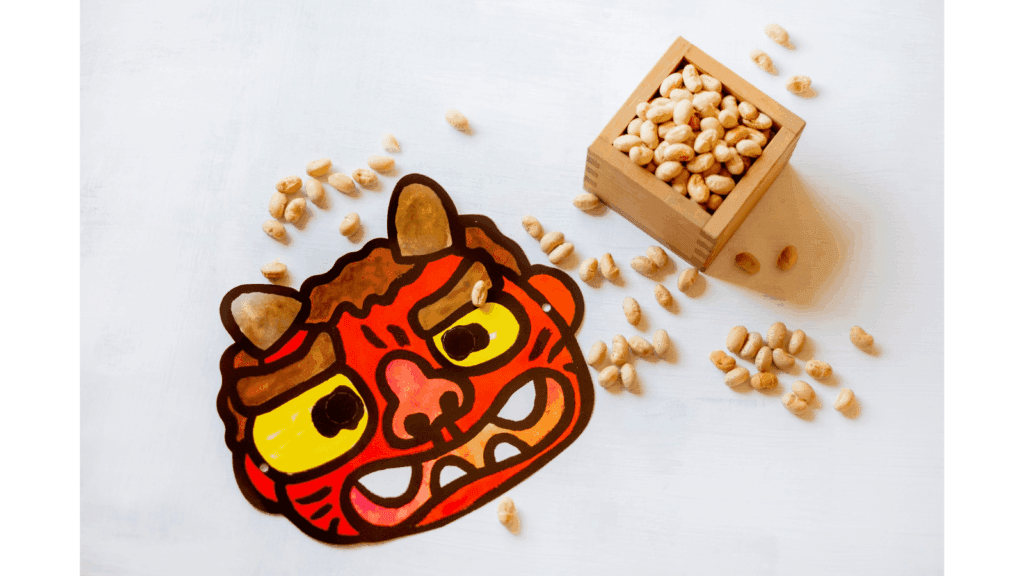
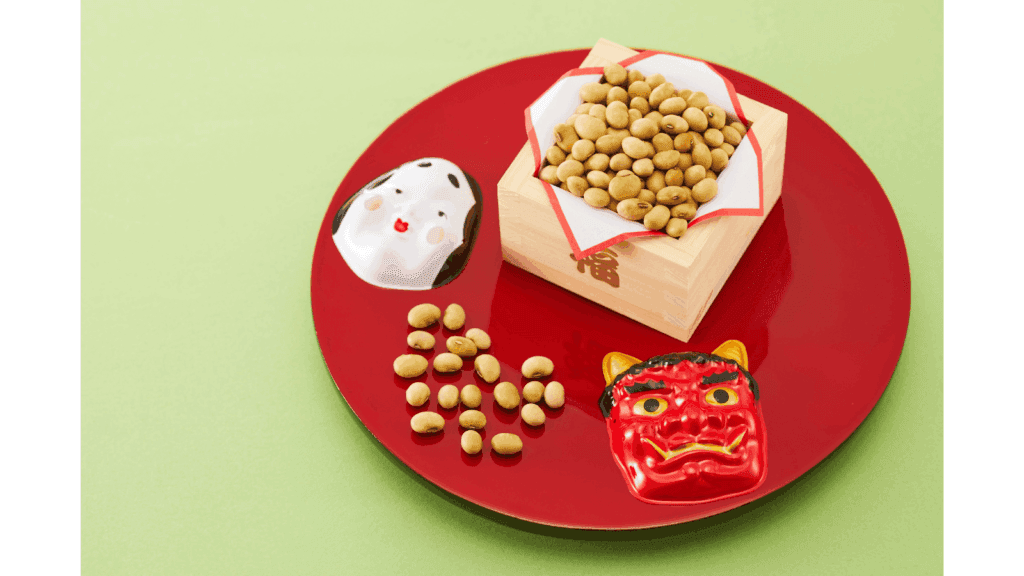
Bean-throwing, or mamemaki, is the most well-known Setsubun custom.
Here, the “oni” (demon) doesn’t represent something scary.
Instead, it symbolizes illness, bad luck, and negative energy.
People use roasted soybeans, not raw ones, for a reason:
- Raw beans can sprout → bad luck might return
- Roasted beans won’t sprout → bad luck stops here
That symbolism makes the act meaningful—but today, it’s often very casual.
How Do People in Japan Actually Celebrate Setsubun Today?
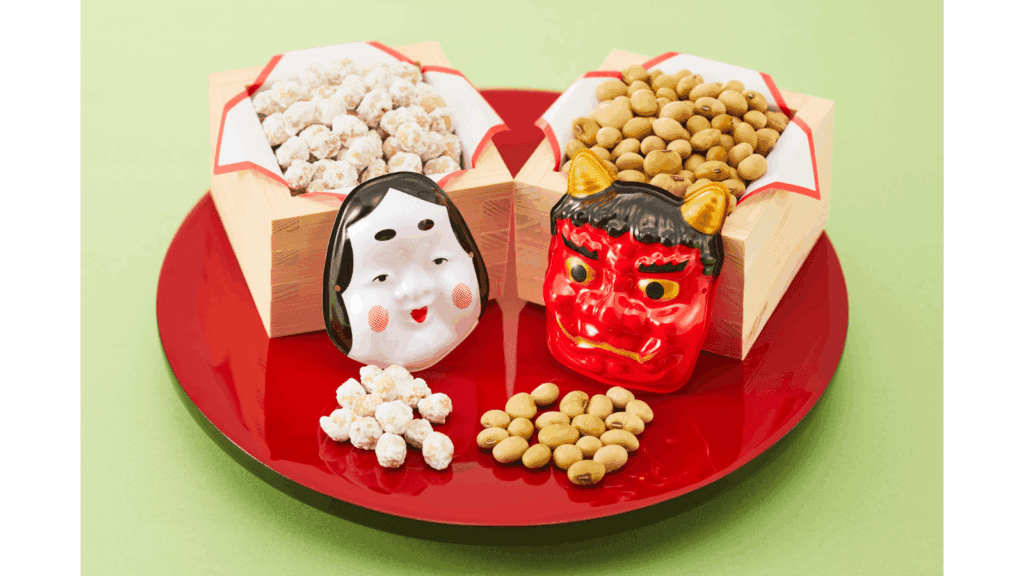
To be honest, Setsubun in modern Japan is extremely flexible.
Here’s what many people actually do:
- Say “Oni wa soto, Fuku wa uchi” once, lightly
- Toss just a few beans near the entrance
- Skip bean-throwing and simply eat the beans
- Eat ehomaki and call it a day
Especially in apartments, many people avoid throwing beans because of noise and cleanup.
And that’s completely normal.
The Easiest (and Most Fun) Way to Enjoy Setsubun: Ehomaki
If you want to enjoy Setsubun in the simplest and most enjoyable way,
ehomaki is the answer.
What Is Ehomaki?
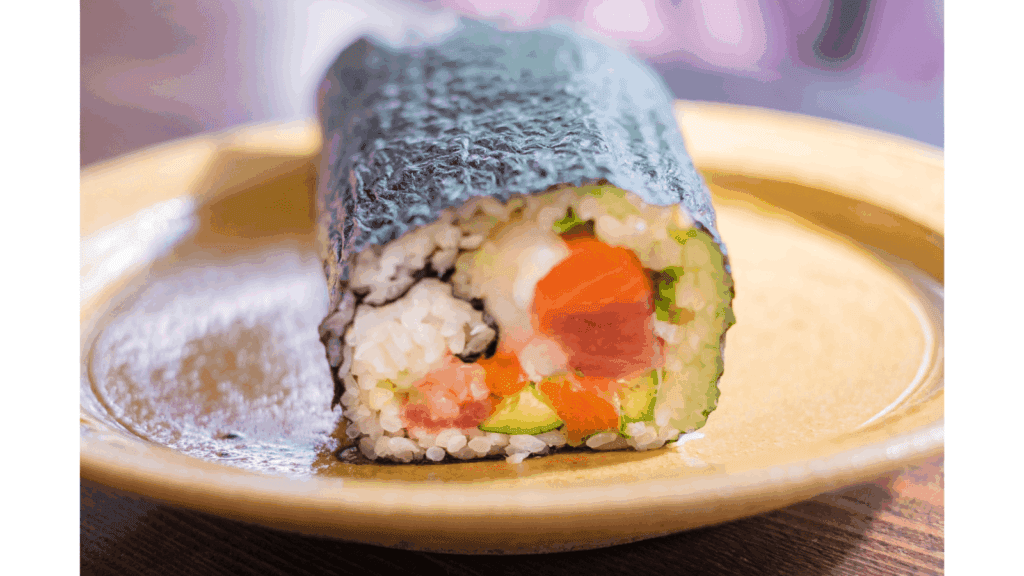
Ehomaki is a thick sushi roll eaten on Setsubun.
The traditional style is:
- Face the year’s lucky direction (ehō)
- Stay silent
- Eat one whole sushi roll
That’s it!
Do You Really Have to Stay Silent or Eat It Whole?
This is actually not that strict.
These rules come from light-hearted good-luck beliefs:
- Talking might let good fortune escape
- Cutting the roll might “cut” your luck
In reality, many people:
- Cut the roll into pieces
- Share it with family
- Only care about facing the lucky direction
There’s no strict rule—enjoy it your way.
What’s Inside an Ehomaki?
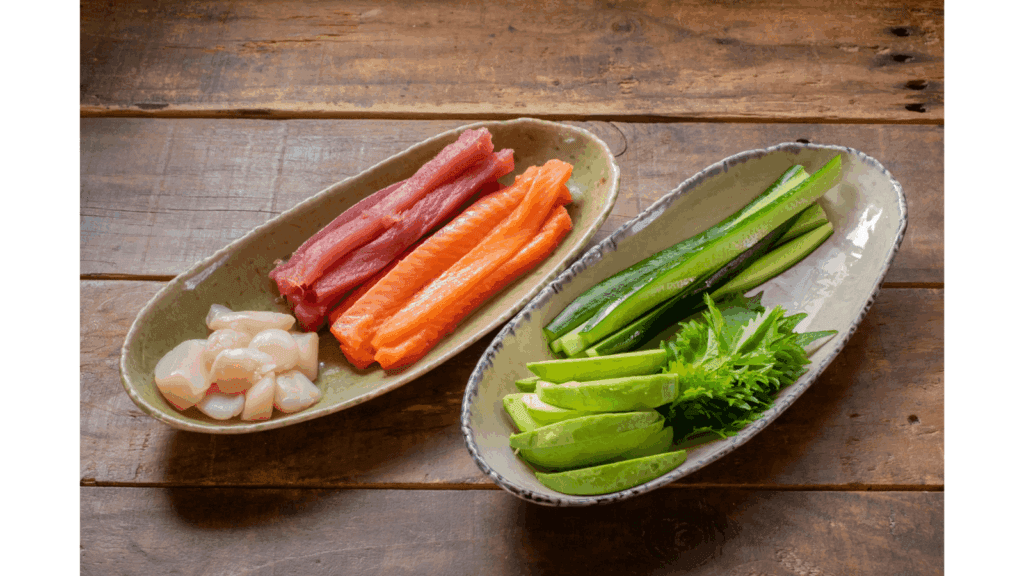
Traditionally, ehomaki includes seven ingredients, inspired by the Seven Lucky Gods.
Common fillings include:
- Japanese omelet (tamago)
- Cucumber
- Simmered gourd (kanpyō)
- Shiitake mushrooms
- Eel (anago)
- Shrimp
- Tuna or salmon
Nowadays, you’ll also find:
- Seafood-packed rolls
- Meat-based versions
- Creative twists like Korean-style rolls or roast beef
Honestly, any choice is perfectly fine!
Ehomaki Is Extremely Easy to Enjoy While Traveling
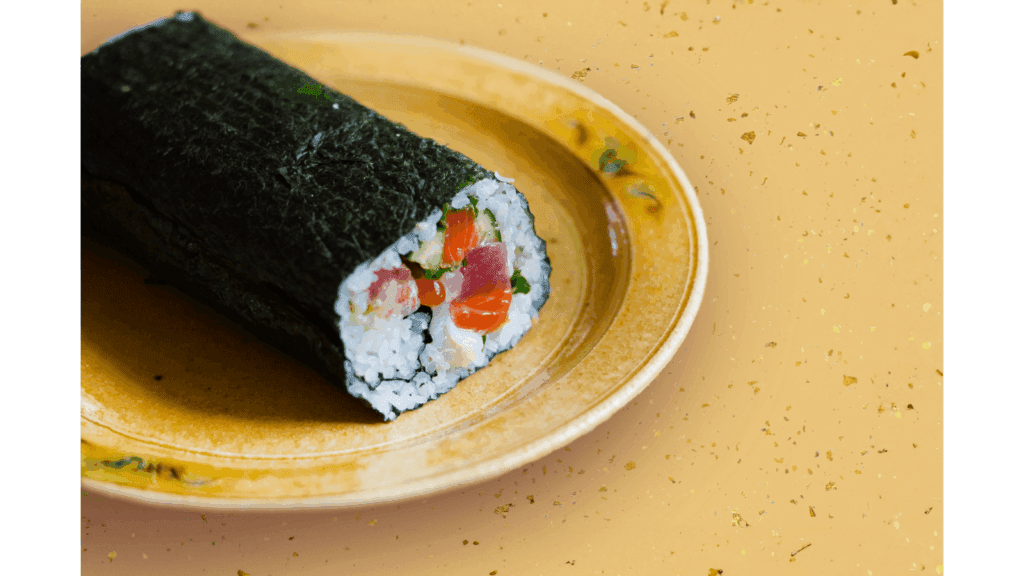
During the Setsubun season in Japan, you’ll find ehomaki everywhere:
- Convenience stores
- Supermarkets
- Department store food halls
Many rolls require no reservation, which makes it ideal for travelers.
If you think,
“I’d like to try a Japanese seasonal tradition,”
buying one ehomaki is more than enough to join in.
Setsubun and other seasonal events are very easy to enjoy.
However, when buying ehomaki or street food, you might still wonder,
“How do I say this in Japanese?”
In fact, knowing just a few simple Japanese phrases can make your trip much more comfortable.
Here’s a handy list of expressions travelers often use while shopping.

Other Fun Ways to Enjoy Setsubun in Japan
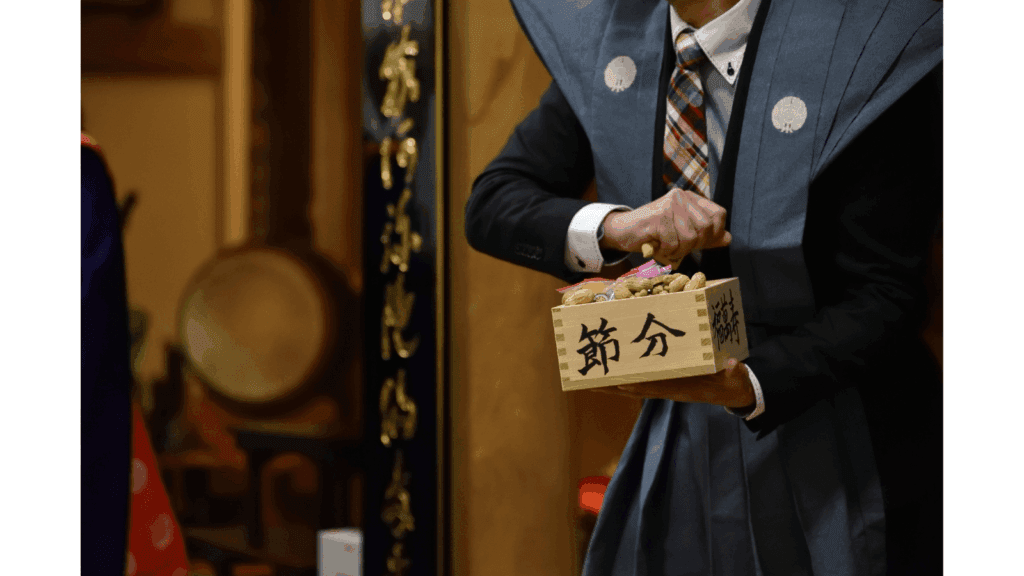
If you’re in Japan on Setsubun day, you can also:
- Browse seasonal displays at supermarkets
- Buy limited-edition snacks and sweets
- Watch bean-throwing rituals at shrines or temples
You don’t need to participate actively—even watching is fun🙂
Setsubun isn’t only celebrated at home.
Visiting a shrine during a Setsubun festival can be a memorable experience.
Depending on the area, you may see traditional bean-throwing rituals and prayers for good health,
allowing you to experience Japanese seasonal culture up close.
*You will be redirected to an external official shrine website.
Why Setsubun Is an Easy Japanese Tradition to Enjoy
Setsubun is a very forgiving cultural event.
- You won’t offend anyone if you do it “wrong”
- You don’t have to participate at all
- You can enjoy it in your own way.
Throw beans, or don’t.
Eat ehomaki, or just watch.
Think of Setsubun as a day to wish:
“May I stay healthy and happy this year.”
And if that wish comes with good food, even better.
Enjoy Setsubun—your way🌸