A Calm and Practical Guide for Visitors
Japan is one of the most earthquake-prepared countries in the world.
Whether you have visited Japan many times or are still getting used to traveling here, it is reassuring to know how to respond calmly if an earthquake happens during your stay.
This guide offers clear, practical information on earthquakes in Japan, including what to do during shaking, how evacuation works, and where to find reliable information—so you can continue your journey with confidence.

- Why Are Earthquakes Common in Japan?
- First Rule: Stay Calm
- What to Do During an Earthquake
- After the Shaking Stops
- If an Evacuation Is Announced
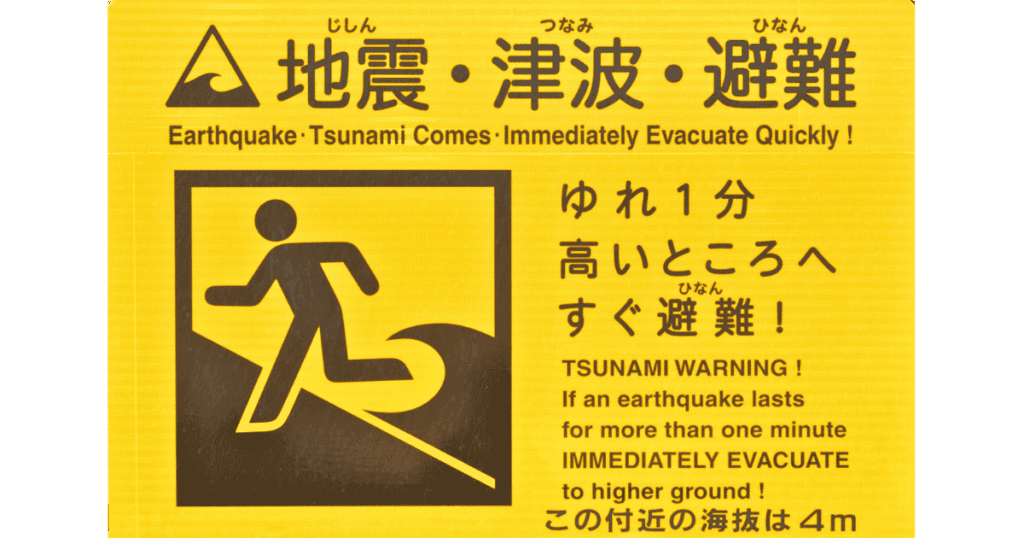
- What If There Is a Tsunami Warning?
- How to Get Reliable Information
- Quick Safety Checklist During Your Stay
- Simple Japanese Words to Know in an Emergency
- Japan Is Prepared — And Now You Are Too!
Why Are Earthquakes Common in Japan?
Japan is located where four tectonic plates meet: Pacific Plate, Philippine Sea Plate, Eurasian Plate, and North American Plate.
Because these plates constantly move, earthquakes happen frequently.
However, there is good news:
- Most earthquakes are small
- Buildings in Japan are strictly earthquake-resistant
- People and facilities are well trained for emergencies
This is why serious damage is much less common than many visitors imagine.
First Rule: Stay Calm
Earthquakes usually last seconds to a few minutes.
Panic causes more injuries than shaking.
If you stay calm and follow guidance, you will be safe.
What to Do During an Earthquake
Small Shaking
- Very common in Japan
- You can usually stay where you are
What to do
- Stay calm
- Move away from shelves or hanging objects
- Protect your head if needed
Strong Shaking
You may find it hard to stand.
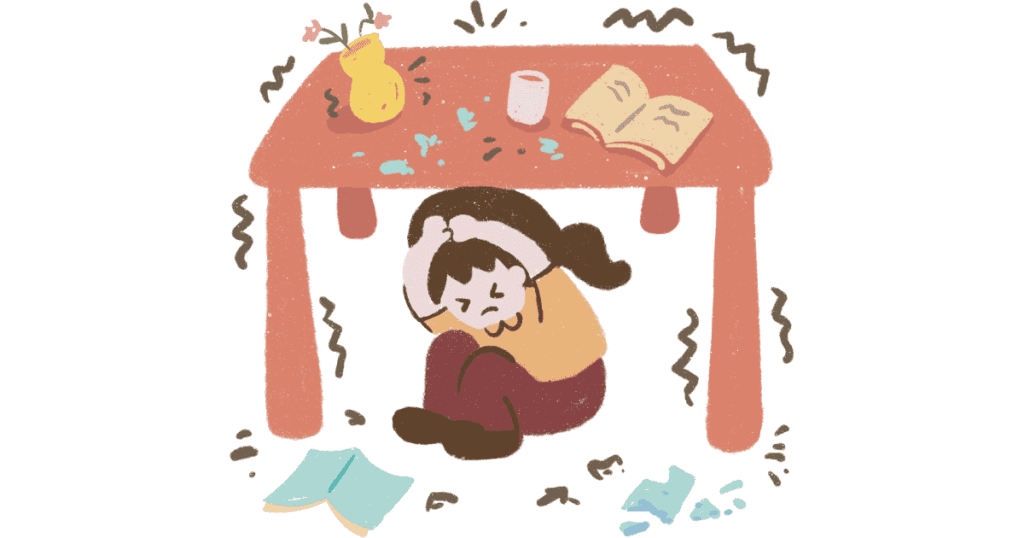
If you are indoors
- Get under a table or desk
- Stay away from windows
- Do not rush outside while shaking continues
If you are outdoors
- Move away from buildings and power lines
- Crouch down and protect your head
After the Shaking Stops
- Check if you are injured
- Watch for falling objects or broken glass
- Follow staff or official instructions
- Avoid elevators
Do not evacuate unless you are told to.
If an Evacuation Is Announced
Evacuations in Japan are orderly and guided.
If you hear announcements or instructions:
- Follow them calmly
- Walk, do not run
- Take only essentials
Evacuation shelters are safe and available to visitors as well.
What If There Is a Tsunami Warning?
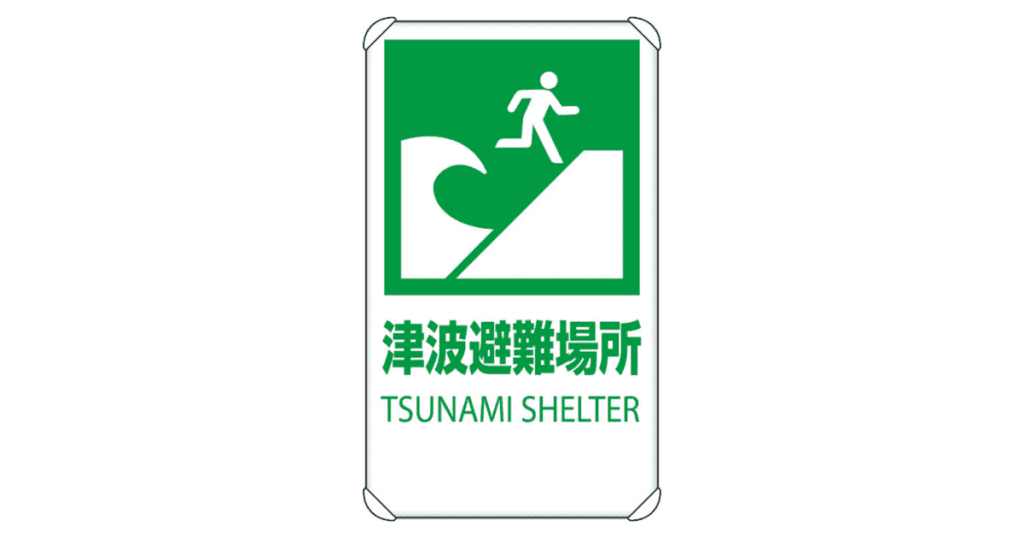
Tsunami warnings apply mainly to coastal areas.
If you see or hear a tsunami warning:
- Move to higher ground immediately
- Follow evacuation signs and guidance
- Do not wait or hesitate
How to Get Reliable Information
- Use official sources:
- NHK World Japan (English)
- Local government announcements
- Emergency alerts on your phone
Even if alerts are in Japanese, they mean important safety information.
Quick Safety Checklist During Your Stay
You don’t need special preparation.
- Save NHK World Japan
- Check the evacuation map in your hotel room
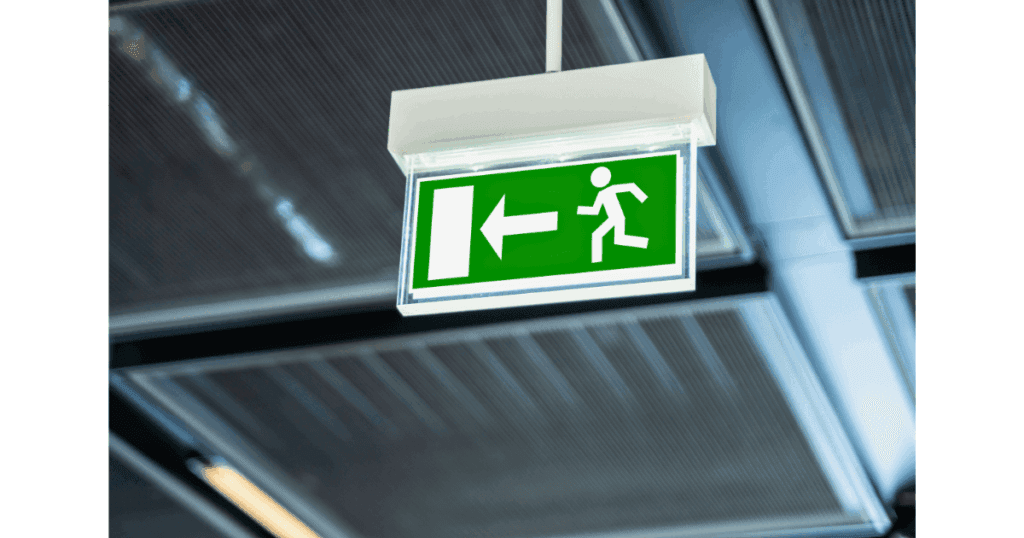
- Know the nearest emergency exit
- Keep your phone charged
- Be aware if you are near the sea
That’s enough.
Simple Japanese Words to Know in an Emergency
You don’t need to speak Japanese.
If you see or hear these words, move to safety immediately.
| Japanese | Meaning | What to Do |
|---|---|---|
| 避難 / 避難してください | Evacuate | Follow instructions |
| 逃げて / 逃げろ | Run | Act immediately |
| 危険 | Danger | Stay away |
| 津波 | Tsunami | Go to higher ground |
| 非常口 | Emergency exit | Use this exit |
Check this out too! 20 Japanese emergency phrases with English translations and romaji (pronunciation guide).

Japan Is Prepared — And Now You Are Too!
Earthquakes are a natural part of life in Japan, but they are also something the country is well prepared for.
With a basic understanding and a calm mindset, traveling in Japan remains safe, comfortable, and enjoyable—even when the ground shakes.