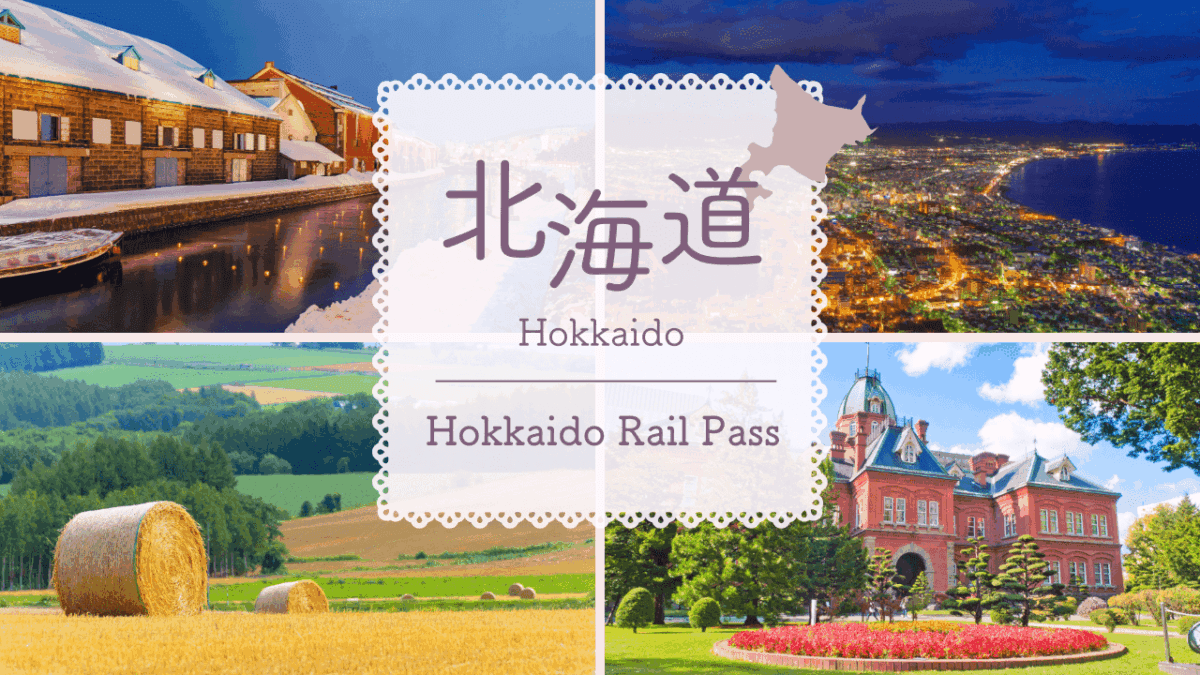
Hokkaido is a land of vast nature, dramatic coastlines, and unforgettable food.
This time, I flew into Sapporo using miles and then relied entirely on rail travel, making full use of the Hokkaido Rail Pass to explore the island on a solo journey designed for slow travel and deep immersion.
Over five days, I crossed from the northernmost tip to the eastern edge, and finally down to a southern port city. What looks like simple lines on a map turned into a journey filled with scenery, flavors, and unexpected encounters.
If you are visiting Japan from abroad, this kind of trip is absolutely possible—and surprisingly easy—when you use a rail pass wisely.
How to Travel Hokkaido by Rail
If you enjoy train travel, the Hokkaido Rail Pass is one of the best-value options available. It allows unlimited rides on JR Hokkaido lines, including limited express trains.
For travelers living outside Japan, the Japan Rail Pass is another excellent option that covers long-distance travel across the country, including Hokkaido.
How to Buy
- Hokkaido Rail Pass (Online): Purchase in advance through JR Hokkaido’s official website
- Japan Rail Pass (Online): Purchase through an authorized international sales site before arriving in Japan
Both options make long-distance travel far more flexible and cost-effective.
Sapporo
The Gateway to Hokkaido
I began the journey by flying into New Chitose Airport on a budget flight. Even though I have visited Hokkaido many times, the excitement never fades.
From the airport, the Rapid Airport train reaches Sapporo in about 40 minutes. As soon as you arrive, you feel the city’s energy: commuters rushing through the station, tourists gathering with luggage, and historic buildings scattered just beyond the exits.
✈️ Find great flight deals on Trip.com →Recommended Spots in Sapporo
- Sapporo Clock Tower: Built in 1878, this iconic building symbolizes the city’s early history
- Odori Park: A long green park cutting through the city center, hosting seasonal events year-round
- Former Hokkaido Government Office (Red Brick Building): A beautiful brick structure (currently under renovation, so exterior viewing only)
Because my flight departed Haneda in the afternoon, I enjoyed a relaxed dinner near the hotel. While Google Maps works well, the local tourism site “Sapporo Gourmet” is also a great resource for trusted restaurant recommendations.
From Asahikawa to Wakkanai, Then On to Abashiri
The next morning, I boarded the Limited Express Lilac, heading north across the Ishikari Plain. In less than an hour, the scenery began to change: farmland stretched toward the horizon, and the Daisetsuzan Mountains rose quietly in the distance.
Highlights in Asahikawa
- Asahiyama Zoo: Famous worldwide for its “behavioral exhibits” that showcase animals in natural motion
- Heiwa-dori Shopping Park: Japan’s first permanent pedestrian street, surrounded by renowned ramen shops
After switching trains in Asahikawa, I boarded the Limited Express Soya toward Wakkanai, Japan’s northernmost city. Along the way, the Teshio River and wide grazing lands unfolded outside the windows. Cows and horses appeared calmly against the vast landscape.
That day brought unexpected delays due to extreme summer heat affecting the tracks. However, as the train approached Wakkanai, Mount Rishiri (often called Rishiri Fuji) emerged beautifully on the left side, making the wait worthwhile.
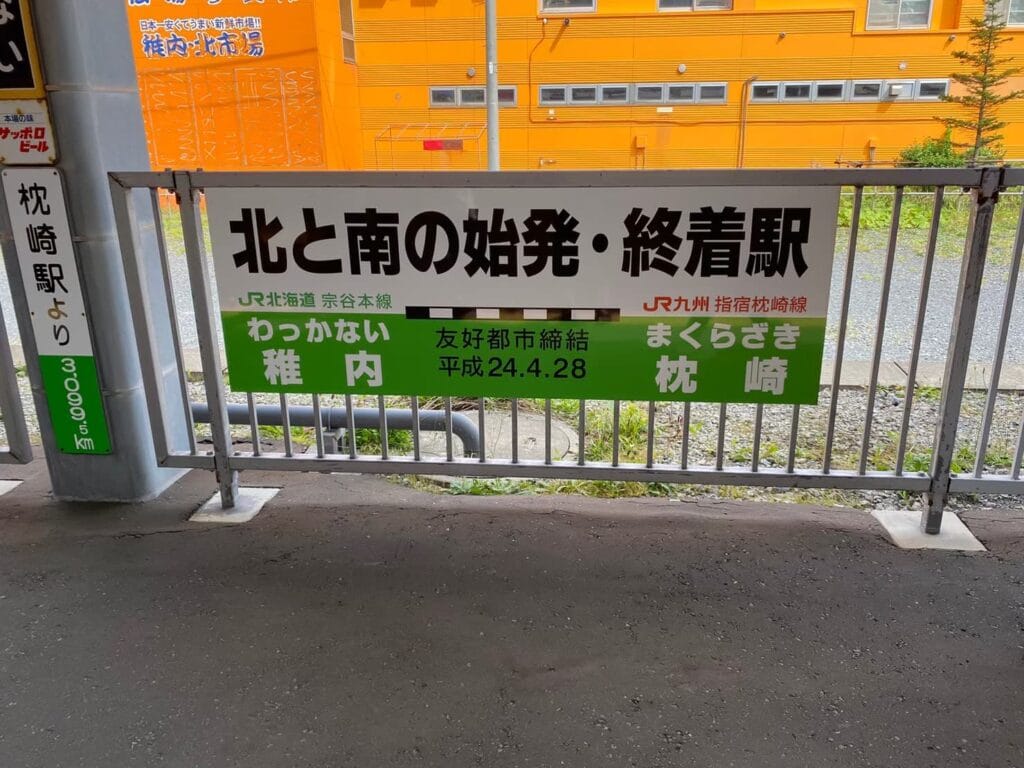
Wakkanai Station: The station has been renovated and now includes souvenir shops and small commercial spaces. As the northernmost railway terminus in Japan, it attracts rail fans from across the country.
A Long Ride to Abashiri
Originally, I planned to continue to Abashiri the same day. After briefly returning toward Asahikawa, further track issues caused long stops and slow speeds, delaying arrival by over two hours.
Nevertheless, I boarded the Limited Express Okhotsk and continued east. Passing through mountainous terrain and a switchback at Engaru, the train gradually emptied. Near Kitami, only a handful of passengers remained.
Eventually, the train followed Lake Saroma and the Sea of Okhotsk, finally arriving in Abashiri late at night.
Things to See in Abashiri
- Museum Abashiri Prison: A preserved historical prison complex from the Meiji era
- Drift Ice Cruises (Aurora / Garinko-go): Powerful icebreaking cruises in winter (sightseeing cruises available in summer)
Because most shops had closed by the time I arrived, I headed straight to the hotel to rest after the long day.
From Abashiri to Kushiro
The Scenic Senmo Line
The following morning, I boarded the Senmo Line, heading further east. This route runs along the Sea of Okhotsk, passes near the Shiretoko World Heritage area, and continues through the vast Kushiro Marshlands—one of Japan’s most scenic rail journeys.
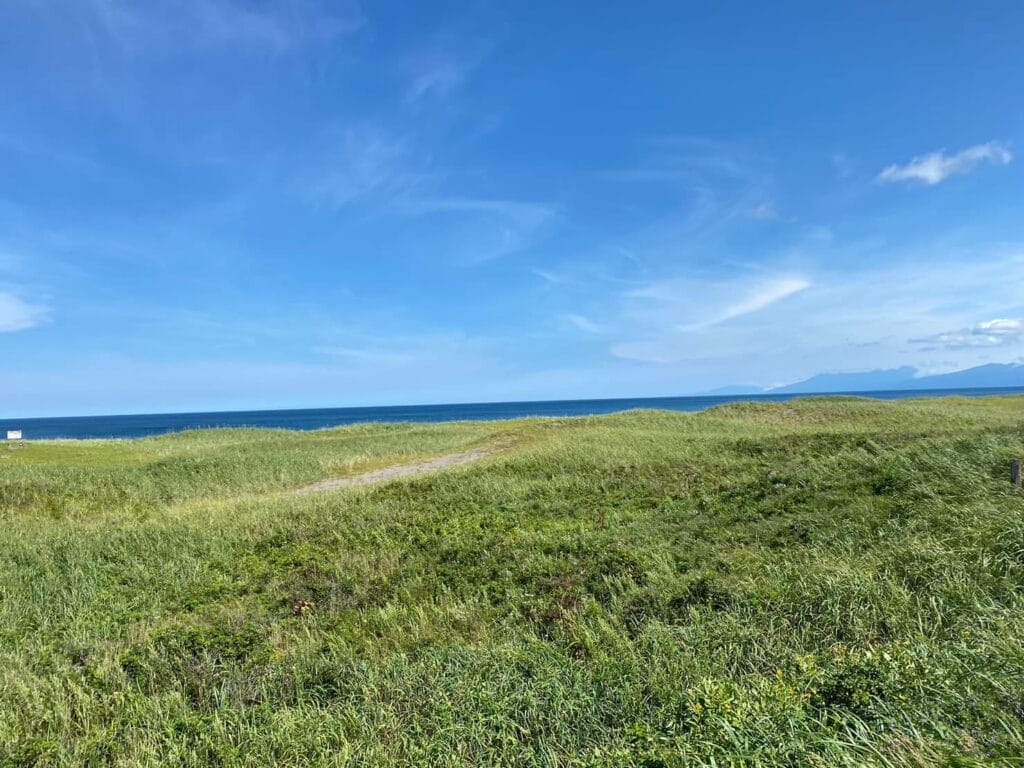
Highlights Along the Way
- Shiretoko-Shari Station: Gateway to the Shiretoko Peninsula; even from the train, the mountain range feels overwhelming
- Mashu Station (Lake Mashu): Known for its incredible clarity and frequent mist
As the train entered Kushiro Shitsugen National Park, the landscape turned completely wild. With luck, you might spot Ezo deer or red-crowned cranes from the window.
Recommended Spots in Kushiro
- Kushiro Washo Market: Famous for “Katte-don,” where you build your own seafood bowl
- Nusamaibashi Bridge: One of the world’s most famous sunset viewpoints
From Kushiro to Hakodate
A True Cross-Island Journey
On day four, I traveled south toward Hakodate, first riding the Limited Express Ozora back toward Sapporo, then switching to the Limited Express Hokuto at Minami-Chitose.
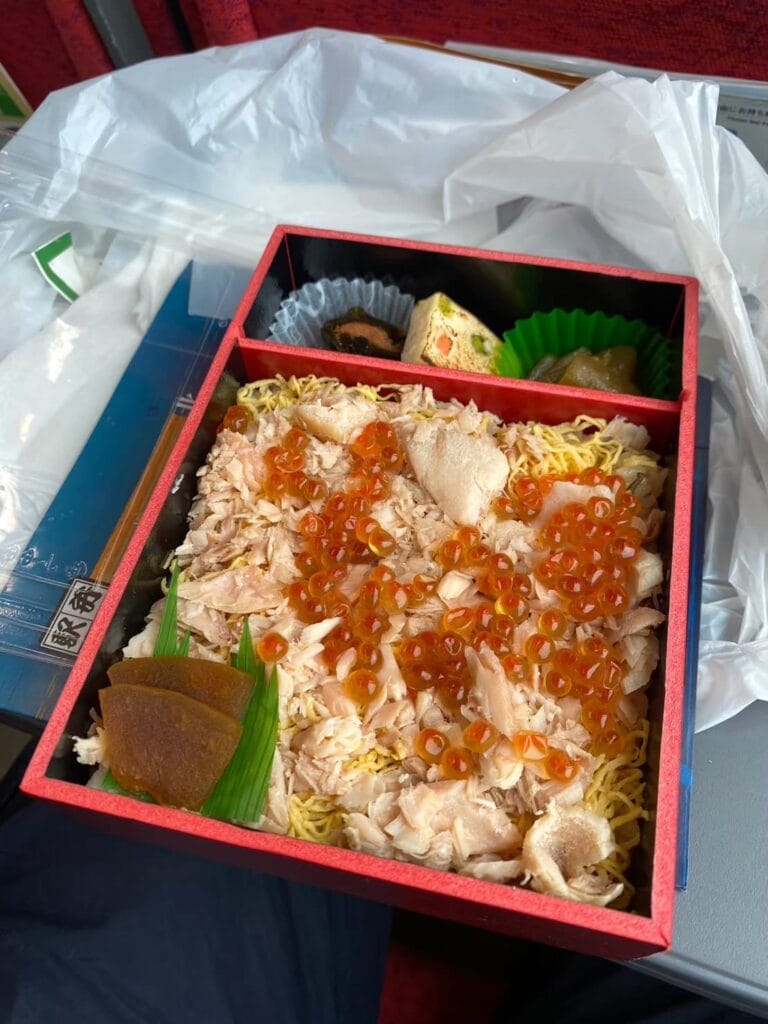
The train traced the Pacific coast and circled Uchiura Bay. For such a long ride, enjoying a local ekiben (station bento) felt essential.
Highlights in Hakodate
- Goryokaku Park and Goryokaku Tower: A unique star-shaped fort visible from above
- Mt. Hakodate Ropeway: Famous for its “million-dollar night view”
The Final Morning
Hakodate Morning Market
On the final day, I visited Hakodate Morning Market, located right next to the station. Fresh seafood dominates the scene, and many travelers enjoy squid fishing or luxurious seafood bowls for breakfast before heading home.
From there, I flew back to Tokyo, bringing the journey full circle.

Travel Tips for Hokkaido Rail Trips
The Hokkaido Rail Pass proved invaluable throughout this journey. It allowed unlimited rides on express trains, flexible schedules, and spontaneous stopovers.
However, keep these tips in mind:
- Seat Reservations: Many express trains now require reserved seating. Always secure a seat in advance at ticket machines or counters
- Winter Travel: Snowy landscapes and drift ice are stunning, but delays and cancellations are common—build extra buffer time
Reflections on the Journey
From the northernmost station to the eastern edge of the island, this journey transformed simple rail lines into a living story of nature, food, and human connection.
Hokkaido’s rail network faces serious challenges, yet traveling these lines made their value painfully clear. For new experiences and to support their future, I hope to ride the same routes again in another season, watching the island reveal entirely different faces.
If you are considering a trip to Hokkaido, a rail-based journey is one of the most rewarding ways to explore it. I wholeheartedly recommend giving it a try.
🧭 How to plan a well-balanced itinerary
The way you plan a trip with limited time is surprisingly similar,
whether you are traveling within Japan or visiting from abroad.
This article introduces a one-day model itinerary from Sapporo to Otaru. It offers practical tips on how to balance transportation, sightseeing, and meals without feeling rushed.
View the Sapporo → Otaru Day Trip Guide →