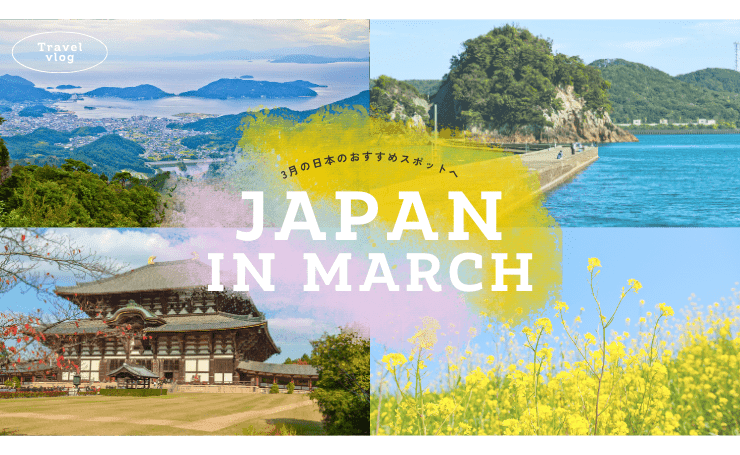
March in Japan is not quite spring yet.
But it is the moment when winter begins to loosen its hold, and subtle changes appear in light, air, and daily movement.
While cherry blossoms usually draw attention from late March into April, early to mid-March remains flexible. Travel feels unhurried, and landscapes can be experienced as they quietly shift.
This guide focuses not on famous peak-season sights, but on places where you can sense Japan beginning to move toward spring, with practical examples throughout.
The Setouchi Coast
Islands, Sea, and Changing Light
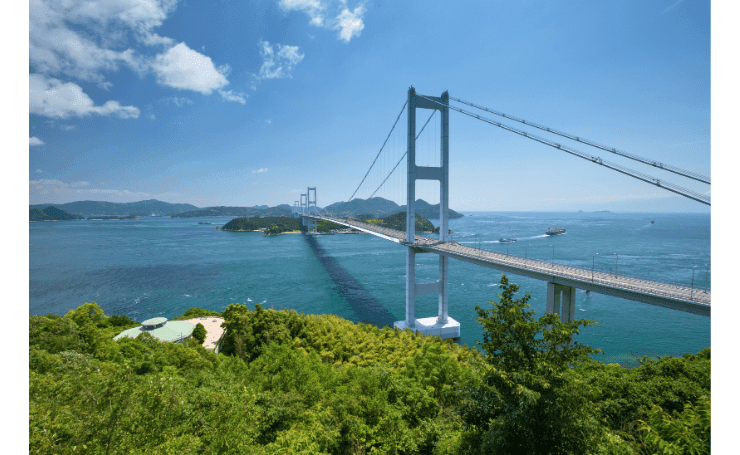
Along the Seto Inland Sea, March brings softer air and easier travel conditions.
Port towns near Onomichi, seaside communities on Shodoshima, and walks around Naoshima feel open and calm before the busy season begins. Ferry services run smoothly, and daytime temperatures are comfortable for walking.
March in Setouchi is ideal for travelers who enjoy movement and space, rather than fixed seasonal highlights.
The Nara Basin
A Landscape Before Color
Before cherry blossoms bloom, the Nara Basin becomes noticeably quiet.
Around Horyu-ji, the fields of Asuka, and the grounds of Toshodai-ji, attention naturally shifts away from flowers and toward land, sky, and structure. The area feels less like a sightseeing destination and more like a place shaped by long continuity.
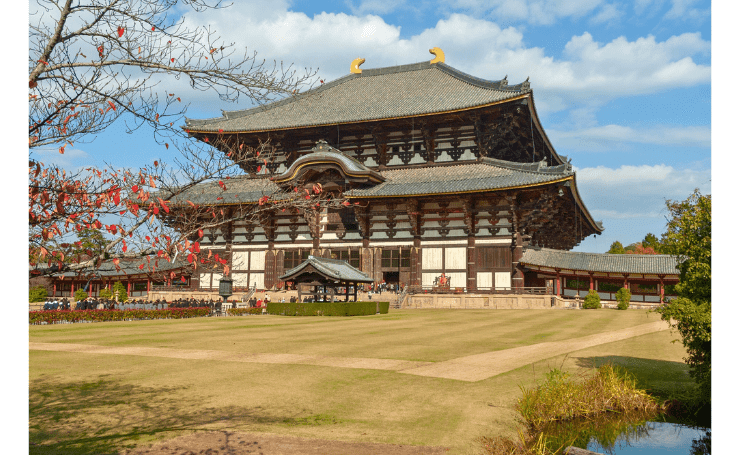
Kashihara Jingu in Nara is also beautiful. Please check this out!

The Izu Peninsula
Coastal Paths in Early Spring
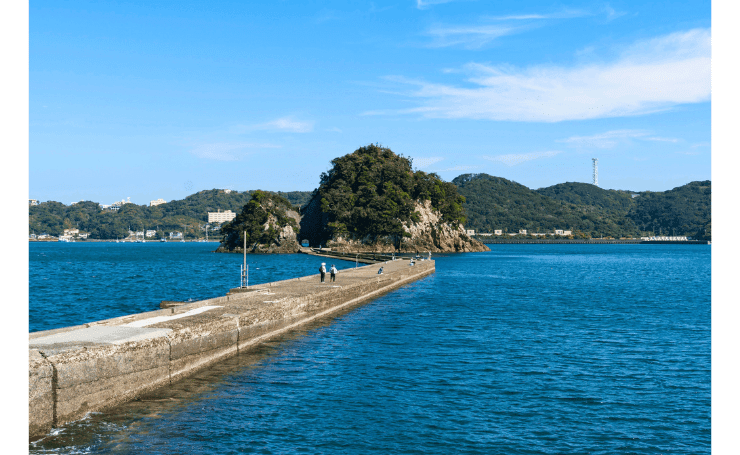
Known for summer beaches, the Izu Peninsula offers a different experience in March.
Walking routes near Shimoda, harbor towns such as Inatori, and coastal paths at Jogasaki become comfortable again, even though the sea remains cool. This is a season for walking, observing, and moving, rather than swimming or resort travel.
Mountain Towns in Central Japan
Between Winter and Spring
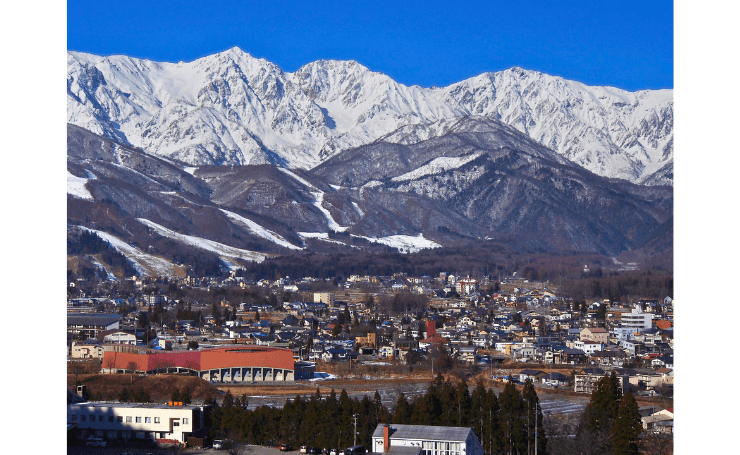
In central Japan’s mountain regions, March sits between seasons.
In places like Takayama, Kiso-Fukushima, and the lower areas of Hakuba, snow lingers in shaded areas while sunlit streets begin to clear. Winter and spring exist side by side, creating a layered landscape unique to this time of year.
Markets, Streets, and Everyday Places
March is a rewarding time to explore places close to everyday life.
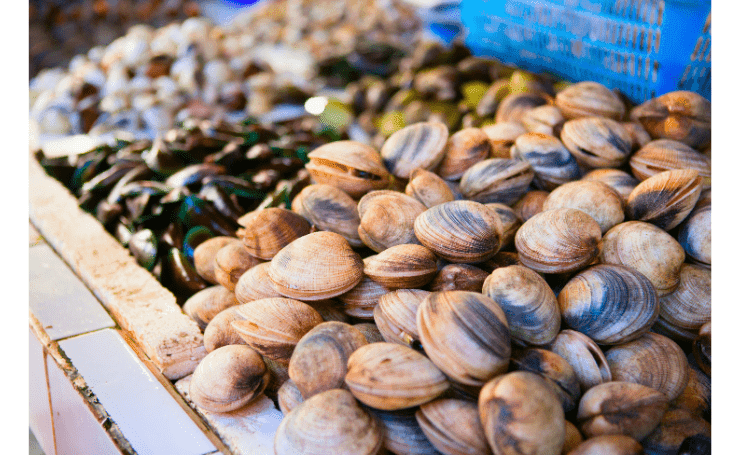
At local markets and shopping streets, winter ingredients gradually give way to early signs of spring—nanohana greens, spring cabbage, new onions, and clams begin to appear.
These are not dramatic seasonal specialties, but they quietly signal change.
In small neighborhood eateries, you may find simple dishes featuring sawara, Spanish mackerel, or light soups made with clams.
In March, seasonal change in Japan is often felt not through landmarks, but through ordinary meals and familiar ingredients.
March as a Time of Transition in Japan
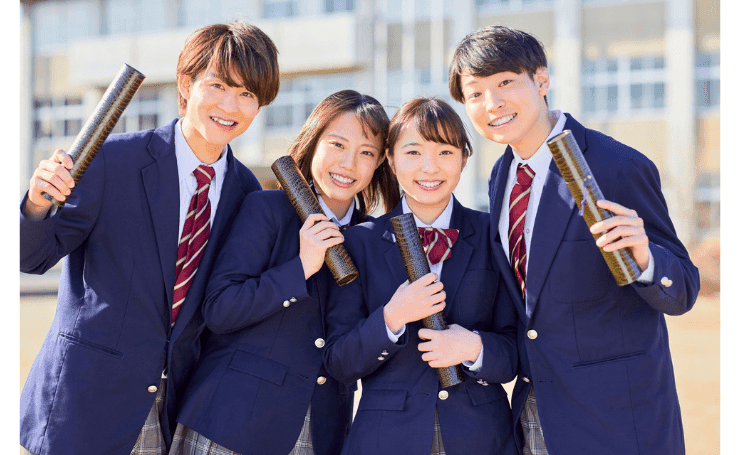
In Japan, March is not only a seasonal turning point, but also the end of the academic and business year.
Graduations, job transfers, relocations, and farewells shape the rhythm of daily life. Even without major public celebrations, this sense of closure and anticipation subtly influences the atmosphere.
As you travel, you may notice this transition in small ways—at train stations, in neighborhoods, or in everyday conversations. Experiencing Japan in March is also about sensing how time moves for the people who live here.
Traveling Through March with Flexibility
March travel favors those who appreciate adjustment over fixed schedules.
It offers space to observe, freedom to change plans, and the chance to experience Japan as it prepares for what comes next.
Looking Ahead to April
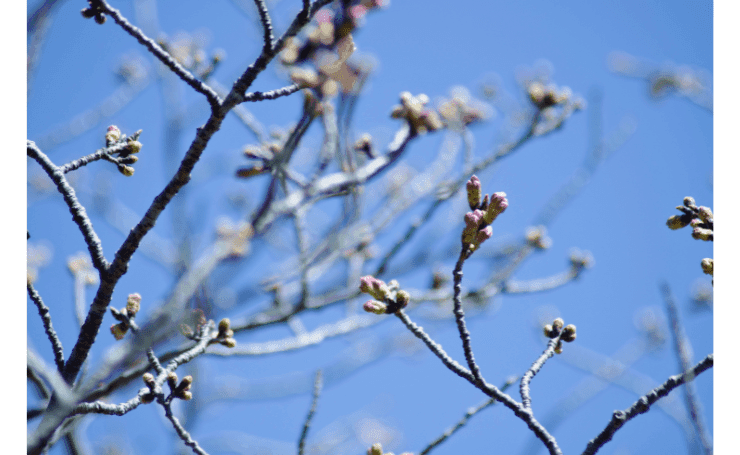
March in Japan is about change in progress.
April is when that change becomes visible.
As the new academic and business year begins, cherry blossoms start to open across the country, and the pace of travel shifts noticeably. Familiar places grow livelier, and landscapes take on a more celebratory tone.
Experiencing March first offers a quieter perspective—one that makes April’s energy easier to understand, and sometimes easier to navigate.
In the next guide, we turn our attention to Japan in April, when cherry blossoms reach their peak and spring fully steps into view, along with practical ways to experience the season without losing its meaning.