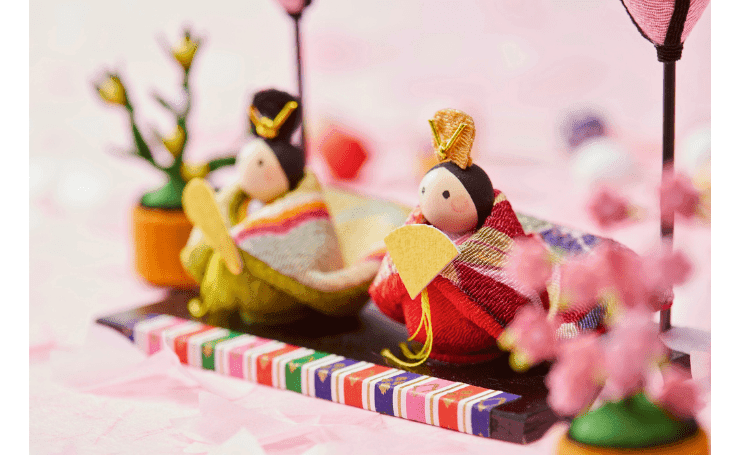
In early March, Japan begins to feel like it’s slowly turning toward spring. Plum blossoms appear, shops start selling seasonal sweets, and in many towns you’ll spot elegant hina doll displays (hina kazari).
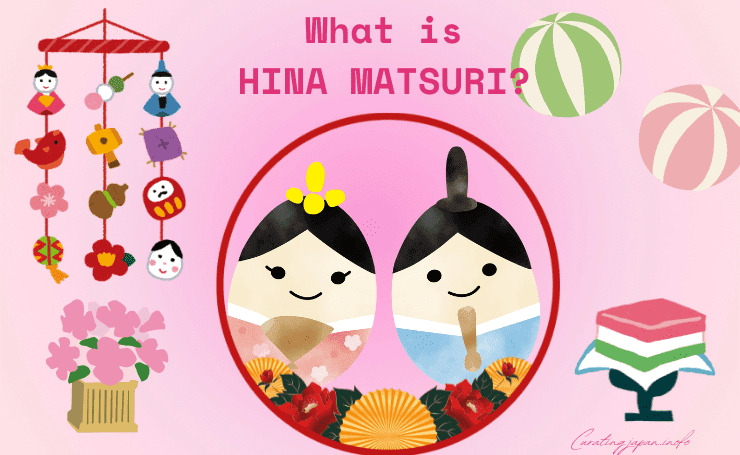
Hina Matsuri is often introduced as “a celebration for girls,” but its roots go deeper: it began as a ritual to purify misfortune and pray for health. If you happen to see hina decorations during your trip, you’re catching a living piece of Japan’s seasonal culture—quiet, beautiful, and surprisingly meaningful.
- Origins: a purification ritual that goes back about 1,000 years
- How Hina Matsuri is celebrated today
- Understanding the hina display: who’s who, and what you’re looking at
- Where travelers can see hina displays in Japan
- 1) Katsuura Big Hina Matsuri (Chiba)
- 2) Konosu “Bikkuri” Hina Matsuri (Saitama)
- 3) Yanagawa “Sagemon” (Fukuoka)
- 4) Inatori Hina Hanging Decorations (Shizuoka, Izu Peninsula)
- 5) Nagashi-bina (ritual “floating dolls”), such as at Shimogamo Shrine (Kyoto)
- 6) Local museum exhibitions (“Ohinasama” displays) across Japan
- Before you go: a mini guide to photos, manners, and avoiding crowds
- Summary: a festival that shows Japan’s season, wishes, and daily life
Origins: a purification ritual that goes back about 1,000 years
The idea behind Hina Matsuri began as a springtime tradition of cleansing away bad luck. People used small paper figures shaped like humans, symbolically transferring impurities or misfortune to them, and then sending them away—often by water.
This kind of ritual is commonly traced back to around 1,000 years ago (roughly 800–1100 CE). Over time, it blended with aristocratic doll play and court aesthetics, gradually becoming what we recognize today: displaying hina dolls to wish for a child’s well-being and growth.
How Hina Matsuri is celebrated today
Celebrations vary by region and family, but these are the most common elements.
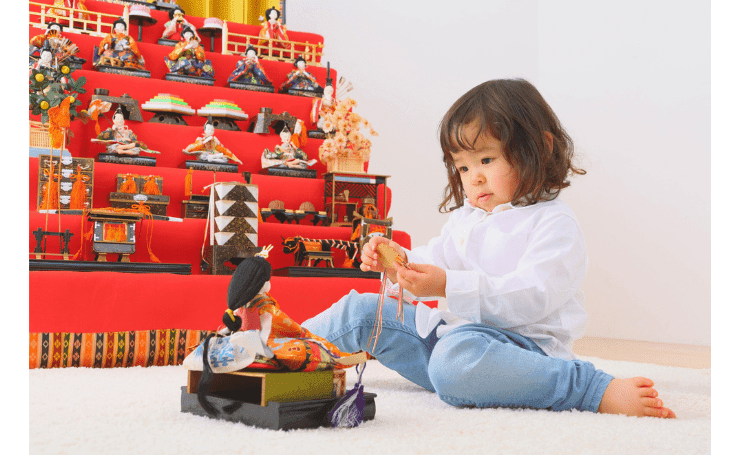
1) Displaying hina dolls (often from mid-February to early March)
Many households display hina dolls as a symbolic “protective stand-in,” with the hope that misfortune will not fall on the child. Even if you’re not staying with a family, you’ll often see hina displays in museums, hotels, department stores, and local events.
2) Decorating with peach blossoms
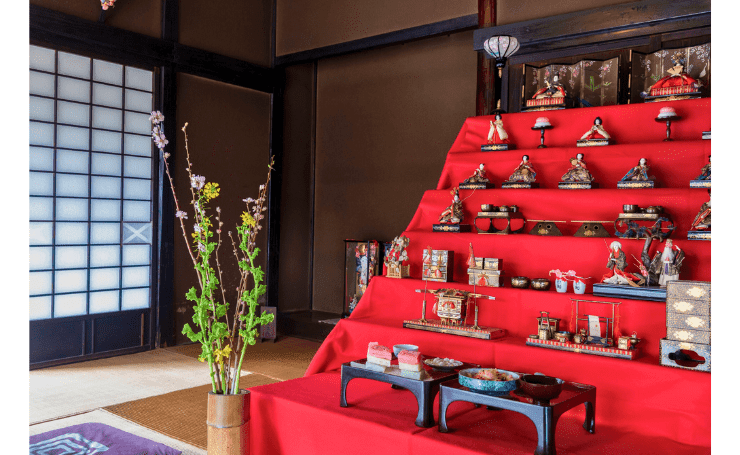
Peach blossoms are closely associated with the season and are commonly used as a symbol of protection and spring. You’ll often see them alongside hina displays.
3) Enjoying seasonal foods
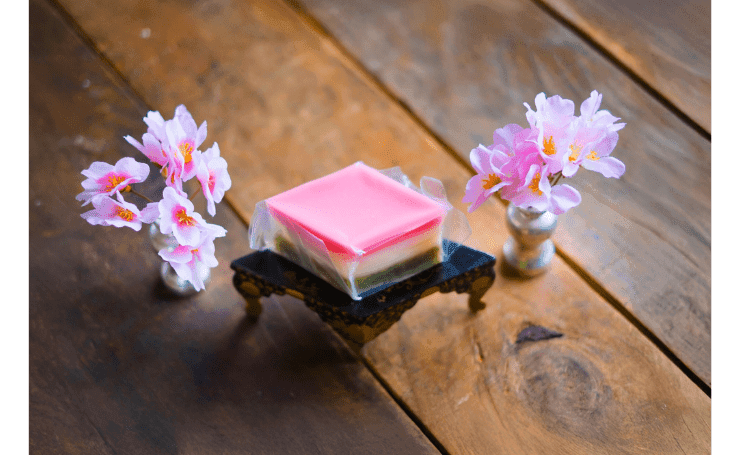
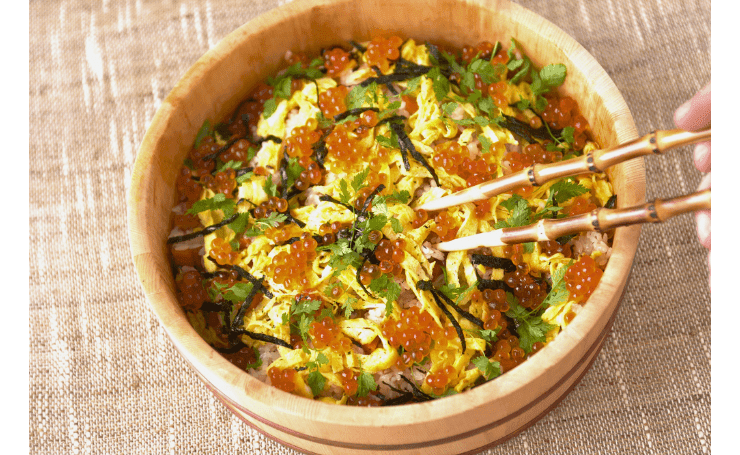
Food is one of the easiest ways to “feel” the festival while traveling. A very common modern staple is chirashi sushi(scattered sushi)—colorful, festive, and easy to share.
Other classic items you may see include:
- Shirozake (a sweet sake) or amazake (a non/low-alcohol sweet drink), depending on the household
- Clam soup (hamaguri), often associated with harmony and good matches
- Hishi-mochi (diamond-shaped rice cakes)
- Hina arare (small festival rice crackers)
4) Visiting exhibitions and local festivals
Some towns create dramatic, photo-worthy displays—like long staircases covered in dolls or entire streets decorated with hanging ornaments. These are especially enjoyable as a seasonal day trip.
Understanding the hina display: who’s who, and what you’re looking at
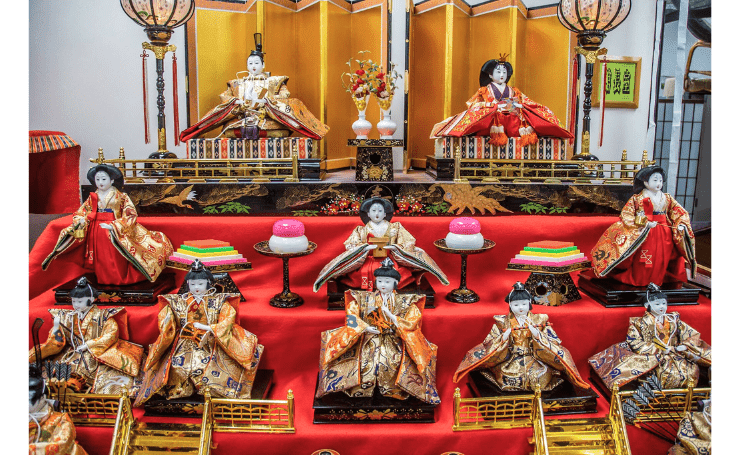
A traditional multi-tier hina display represents an idealized world of the imperial court—often linked to the image of a formal wedding. Each figure has a role.
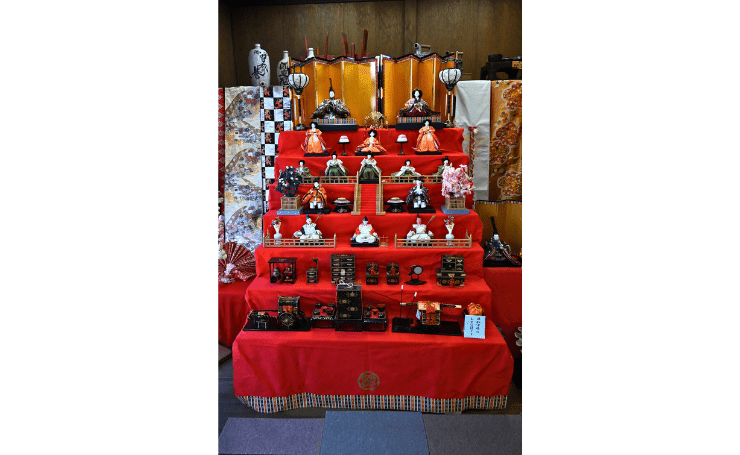
- The Emperor and Empress dolls (Dairi-bina): the main pair at the top
- Three court ladies: attendants who serve and support the ceremony
- Five musicians: a small ensemble that brings a celebratory mood
- Guards: protective figures
- Helpers/servants: figures that handle tasks—sometimes shown with expressive faces
What are all the tiny items?
You’ll notice miniature tools and accessories—things related to celebration, household life, or a formal procession. Think of them as a symbolic “wish list” for a peaceful, well-prepared life.
Details vary by region and style, so comparing displays in different places can be surprisingly fun.
A small detail travelers love: “left and right” can differ
In some regions, the placement of the main pair may look “reversed” compared to what you’ve seen elsewhere. This isn’t a mistake—just a regional tradition and aesthetic difference. If you notice it, that’s a great cultural spot-check.
“If you don’t pack them away quickly, you’ll marry late”—true?
You may hear a saying that if you don’t put away hina dolls right after March 3, it can lead to “marrying late.” This is generally considered a folk belief, often explained as a gentle way to encourage good habits—finishing seasonal rituals neatly and keeping the home orderly.
Where travelers can see hina displays in Japan
Dates and formats change each year, but these are well-known examples and the kind of experiences you can look for:
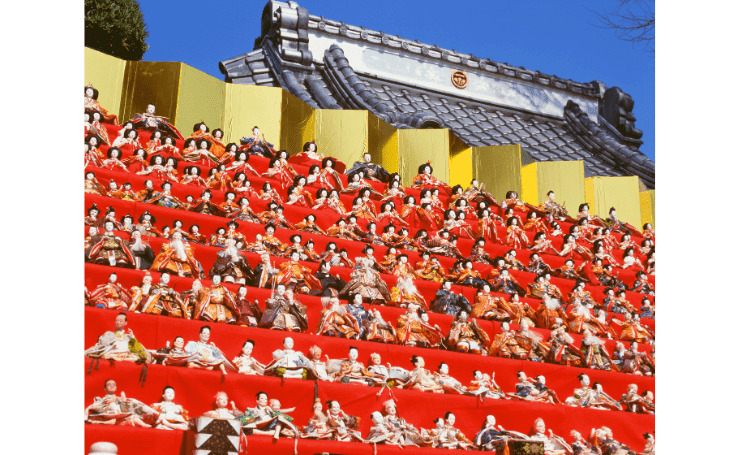
1) Katsuura Big Hina Matsuri (Chiba)
Famous for large-scale displays, including impressive arrangements on shrine steps.
Typical timing: late February to March 3
2) Konosu “Bikkuri” Hina Matsuri (Saitama)
Known for a giant pyramid-style display that feels almost theatrical in scale.
Typical timing: late February to early March
3) Yanagawa “Sagemon” (Fukuoka)
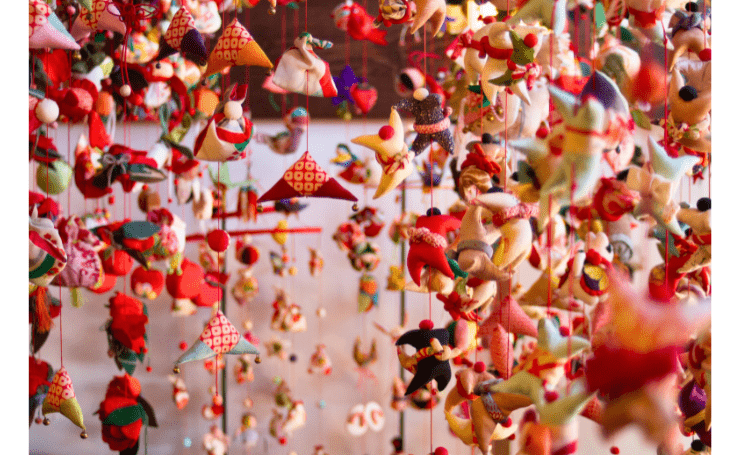
A charming town event featuring hanging ornaments (cloth decorations) across the area—great for strolling and photos.
Typical timing: mid-February to early April (often longer than other events)
4) Inatori Hina Hanging Decorations (Shizuoka, Izu Peninsula)
A classic destination for hanging hina ornaments—soft colors, immersive spaces, very memorable.
Typical timing: late January to late March
5) Nagashi-bina (ritual “floating dolls”), such as at Shimogamo Shrine (Kyoto)
A rare chance to see a ceremony close to the festival’s purification roots, where symbolic dolls are set afloat on water.
Typical timing: around March 3
6) Local museum exhibitions (“Ohinasama” displays) across Japan
If you’re in a big city or traveling on a rainy day, museum-style displays are reliable and easy to fit into your itinerary.
Typical timing: February to mid-March
Before you go: a mini guide to photos, manners, and avoiding crowds
Hina dolls and textiles are delicate, and many displays are privately owned or carefully preserved. A few small habits help everyone enjoy the experience.
- Check the photo rules at the entrance
- Even if photos are allowed, flash is usually prohibited, and tripods/selfie sticks or video may be restricted. When unsure, a quick question to staff is the safest option.
- Keep a little extra distance
- Don’t touch the display (even lightly), and be mindful of bags, coats, and umbrellas—especially in narrow exhibition rooms. Holding your bag in front of you helps prevent accidental contact.
- For fewer crowds: aim for weekday mornings
- Weekends and early March can be busy. The easiest times for viewing—and for taking calm, clear photos—are often right after opening or about an hour before closing.
- At shrines and temples: be respectful during rituals
- Don’t block pathways, keep voices low, and follow staff guidance. A quiet, observant style fits the atmosphere and is always appreciated.
Summary: a festival that shows Japan’s season, wishes, and daily life
Hina Matsuri is more than “cute dolls.” At its heart, it carries an old wish: to gently send away misfortune and welcome health and growth.
If you encounter hina displays during your trip, take a moment to look closely—who’s who, what the tiny objects represent, and how each region expresses the tradition. It’s one of the loveliest ways to feel Japan’s early spring.