How to Experience Tokyo More Comfortably and Efficiently
Tokyo often feels familiar to repeat visitors—and that familiarity can be misleading.
While the city looks easy to navigate on the surface, how Tokyo actually functions changes depending on time, location, and daily patterns.
The following Tokyo travel tips focus on observable facts, urban structure, and real usage patterns, rather than personal preferences.
They help repeat visitors travel more efficiently, avoid unnecessary fatigue, and experience Tokyo at a more comfortable pace.
- 1. Tokyo Works as Multiple Cities, Not One
- 2. Timing Has a Bigger Impact Than Location
- 3. Stations Are Complex by Design, Not Accident
- 4. Small Museums Often Work Better Than Large Ones
- 5. Area-Based Walking Is More Efficient Than Attraction Hopping
- 6. Public Transport Is Predictable, Crowds Are Not
- 7. Tokyo Rewards Shorter, Slower Days
- 8. Repeat Visitors Experience Tokyo Differently—and That Is Expected
- Final Thoughts: Tokyo Favors Observation Over Accumulation
1. Tokyo Works as Multiple Cities, Not One
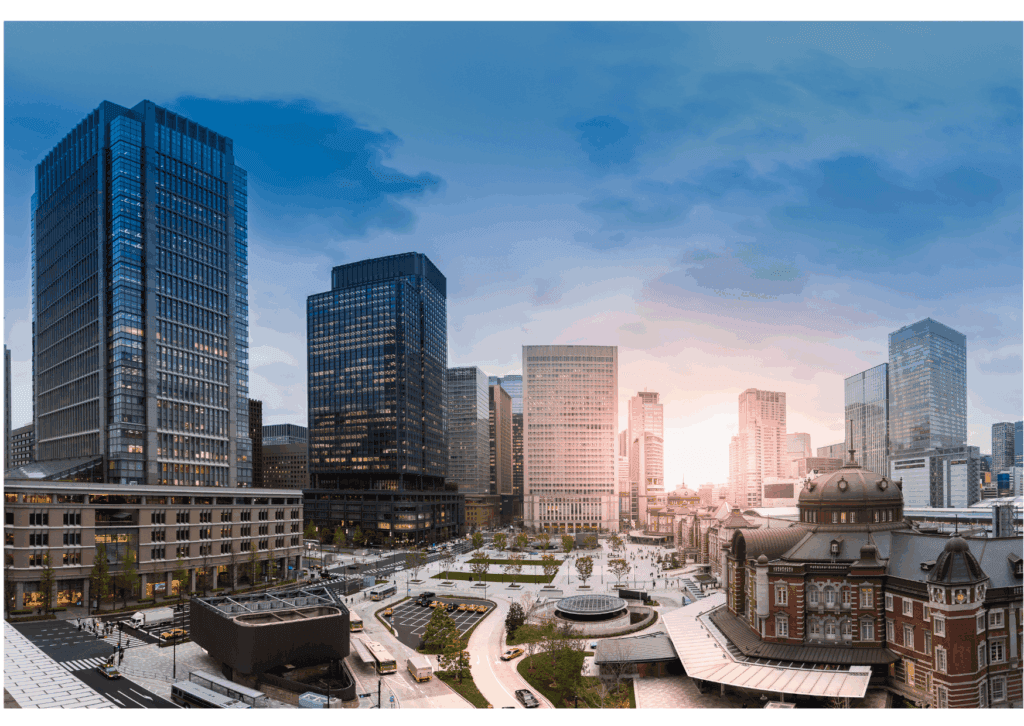
Tokyo does not operate as a single, centralized city.
Instead, it functions as a network of independent urban centers connected by rail.
Each major station—such as those used for commuting, shopping, or business—serves as its own hub.
As a result, traveling between nearby-looking areas can take longer than expected, even if they appear close on a map.
For repeat visitors, planning by area clusters rather than individual attractions reduces backtracking and wasted time.
2. Timing Has a Bigger Impact Than Location
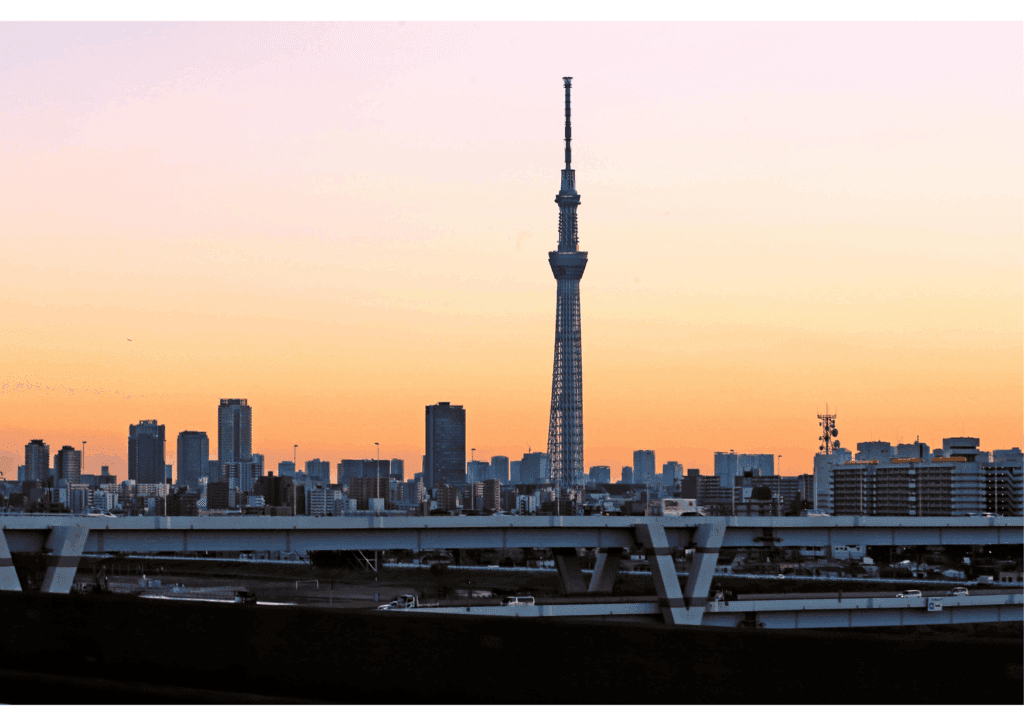
In Tokyo, when you visit matters more than where you go.
Passenger data from rail operators consistently shows sharp peaks during weekday commuting hours and early evenings.
Popular districts feel entirely different in the early morning, midday, and late evening.
Repeat visitors benefit most by:
- Visiting major areas before 10:00 a.m.
- Avoiding transfers during weekday rush hours
- Scheduling quieter neighborhoods for afternoons
These patterns repeat daily and are not seasonal anomalies.
3. Stations Are Complex by Design, Not Accident
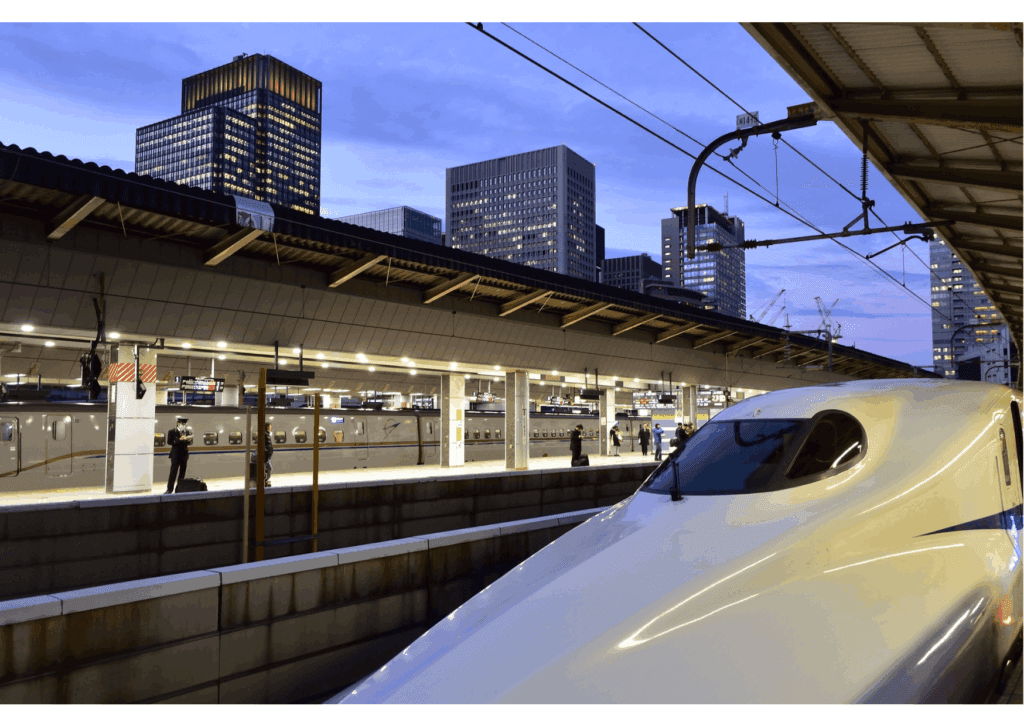
Tokyo’s major stations serve multiple rail companies and lines.
Because of this, the same station name often contains several physically separate areas.
Even when Google Maps shows a short transfer time, real-world movement may take longer due to:
- Vertical movement (stairs and platforms)
- Multiple ticket gates
- Crowded transfer corridors
Experienced travelers factor in extra buffer time, especially for long-distance trains or reservations.
4. Small Museums Often Work Better Than Large Ones
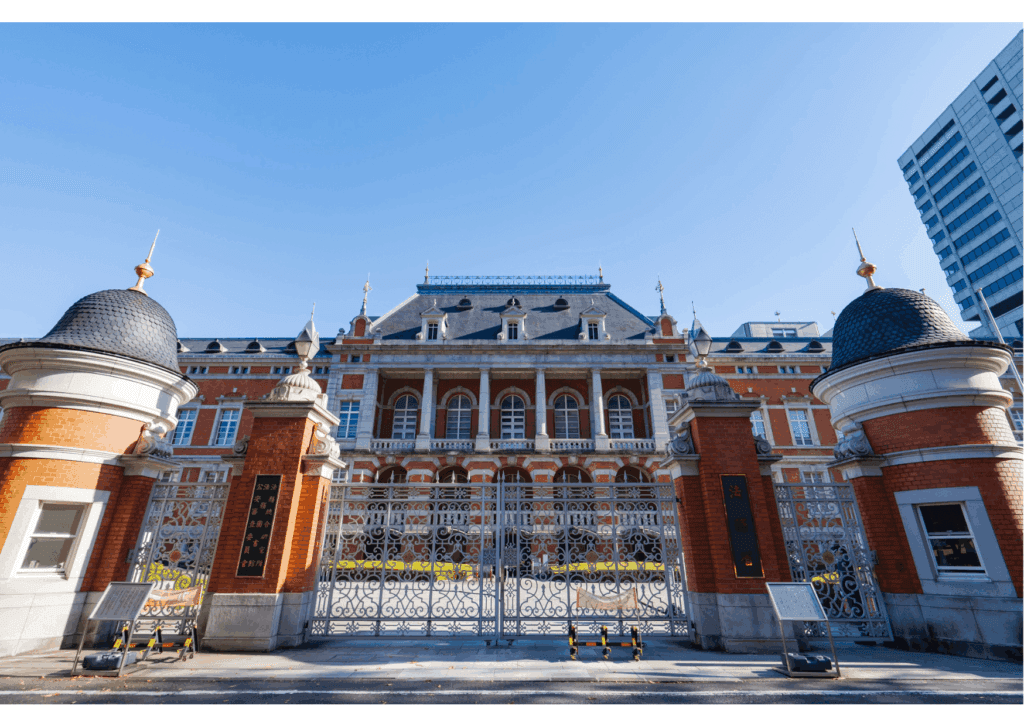
Tokyo has a high concentration of small and mid-sized museums.
Unlike large national institutions, these spaces:
- Limit visitor numbers naturally
- Sit closer to residential areas
- Allow shorter, calmer visits
From a structural perspective, this reflects Tokyo’s decentralized cultural model.
For repeat visitors, smaller venues often provide more satisfying experiences with less time investment.
Tokyo’s smaller museums and galleries offer calmer, more focused experiences compared to large national institutions.
If you want to explore art without crowds or long lines, these curated guides highlight some of the best options across the city.


5. Area-Based Walking Is More Efficient Than Attraction Hopping
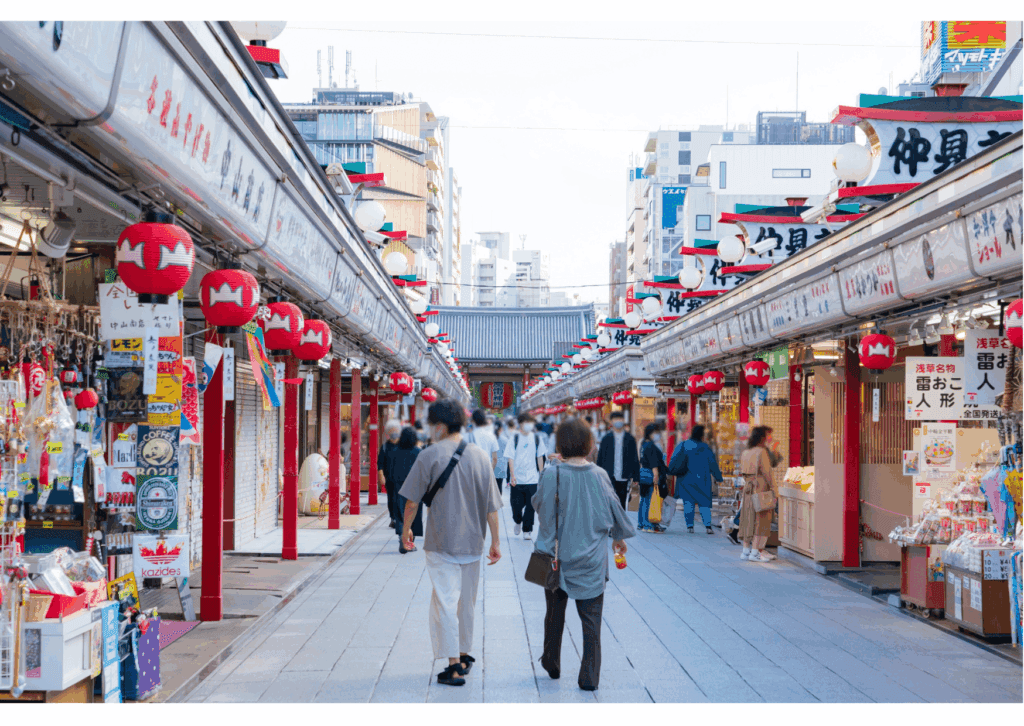
Attraction-based itineraries increase transit time and fatigue.
Area-based exploration works better in Tokyo because neighborhoods are internally dense.
By staying within one district:
- Walking replaces transit
- Cafes and shops appear organically
- The pace naturally slows
Urban planning data shows that many Tokyo neighborhoods support daily life within a compact radius—travelers can benefit from this design.
6. Public Transport Is Predictable, Crowds Are Not
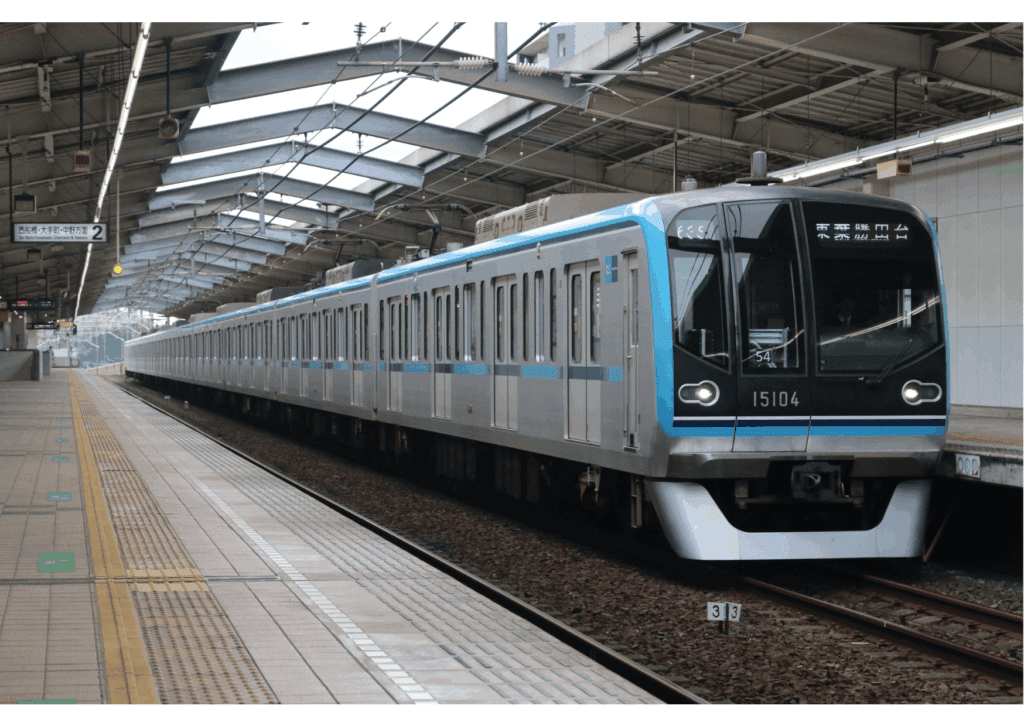
Tokyo’s public transportation system operates with remarkable precision.
Train schedules remain consistent, delays are rare, and route information stays reliable throughout the day.
However, crowd density does not follow the same predictability.
Passenger flow data and long-term observation show that crowd levels fluctuate sharply depending on time and location.
Weekday mornings and early evenings concentrate commuters, while weekends draw heavy foot traffic to shopping and entertainment districts.
These patterns repeat consistently and are closely tied to work schedules and commercial activity rather than seasonal tourism alone.
Repeat visitors often adjust not by changing destinations, but by changing timing.
Shifting activities slightly earlier, choosing less central stations, or walking short distances instead of transferring allows travelers to move more smoothly through the city.
These adjustments reflect how Tokyo residents navigate the system daily, rather than improvised travel behavior.
7. Tokyo Rewards Shorter, Slower Days
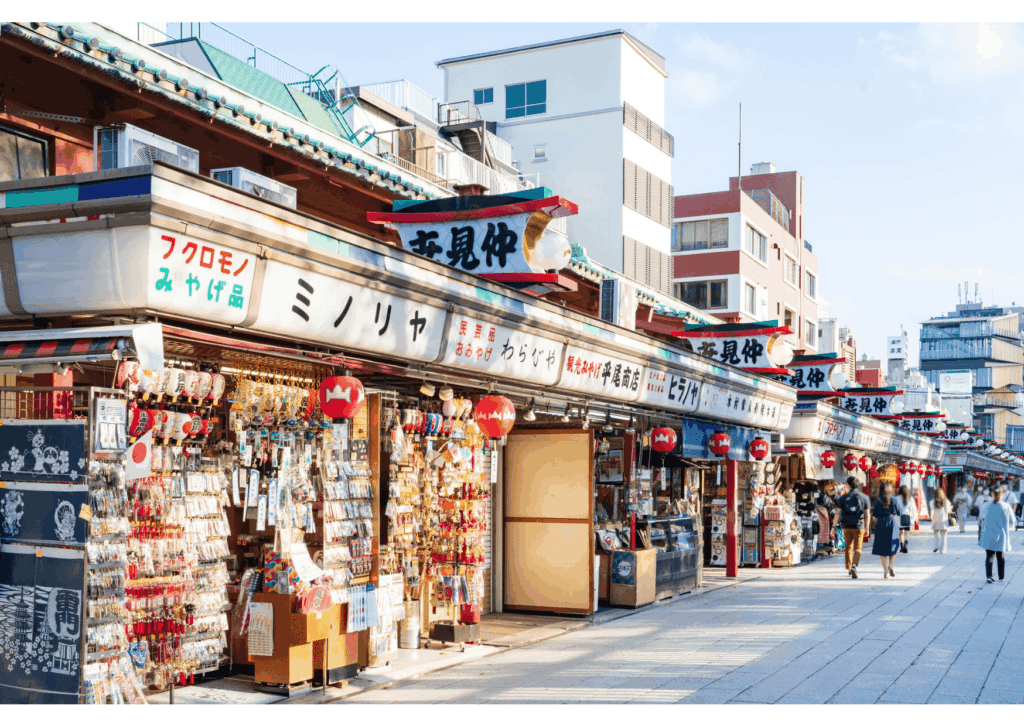
Tokyo’s scale encourages overplanning, but data on transit time, walking distance, and station transfers suggests the opposite approach works better.
Shorter daily itineraries lead to fewer delays, clearer decision-making, and less physical fatigue.
When travelers limit the number of districts they cover in a single day, they reduce time spent navigating complex stations and switching lines.
This efficiency does not come from moving faster, but from moving within a smaller, more coherent area.
Repeat visitors often find that slowing the pace reveals details that faster itineraries miss—local cafes, neighborhood rhythms, and everyday interactions.
Tokyo’s infrastructure supports this approach because many districts are designed to function independently, with daily needs concentrated within walking distance.
8. Repeat Visitors Experience Tokyo Differently—and That Is Expected
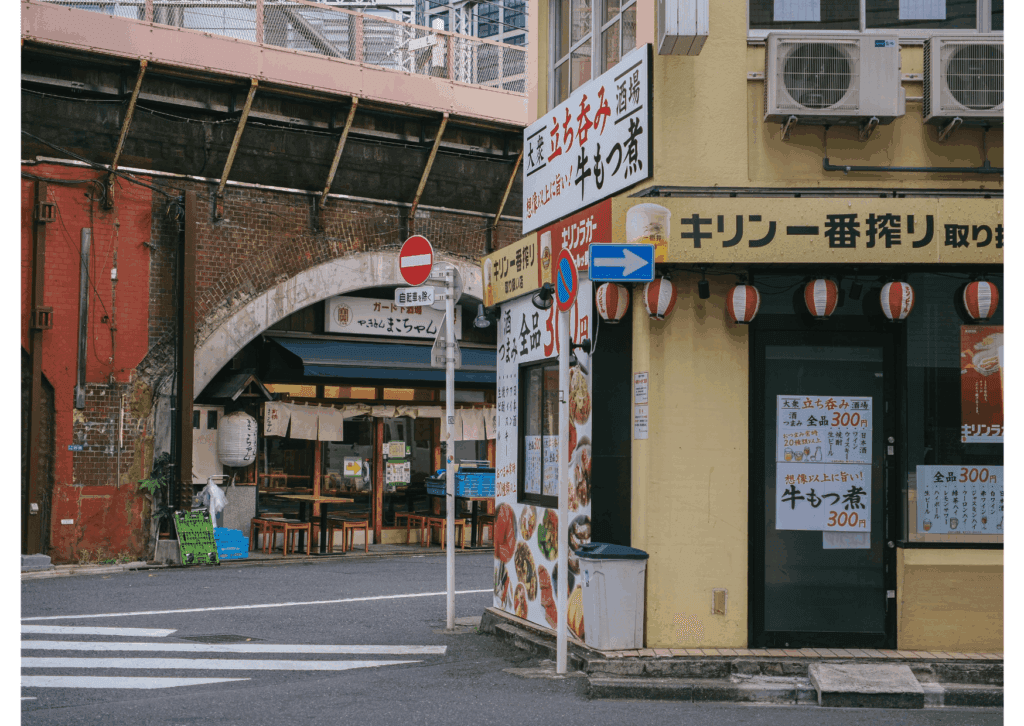
Travel behavior naturally changes after the first visit.
Studies on repeat tourism and long-term visitor observation show that travelers who return to the same destination prioritize familiarity and efficiency over novelty.
In Tokyo, repeat visitors tend to rely on known routes, spend more time in ordinary spaces such as cafes or markets, and engage less in constant sightseeing.
They also take fewer photographs and spend less time orienting themselves, indicating increased spatial confidence rather than reduced interest.
This shift aligns well with how Tokyo operates.
The city’s design emphasizes daily life over spectacle, making it particularly well suited for travelers who observe rather than accumulate experiences.
For repeat visitors, this change is not a loss—it is a deeper level of engagement with the city.
Final Thoughts: Tokyo Favors Observation Over Accumulation
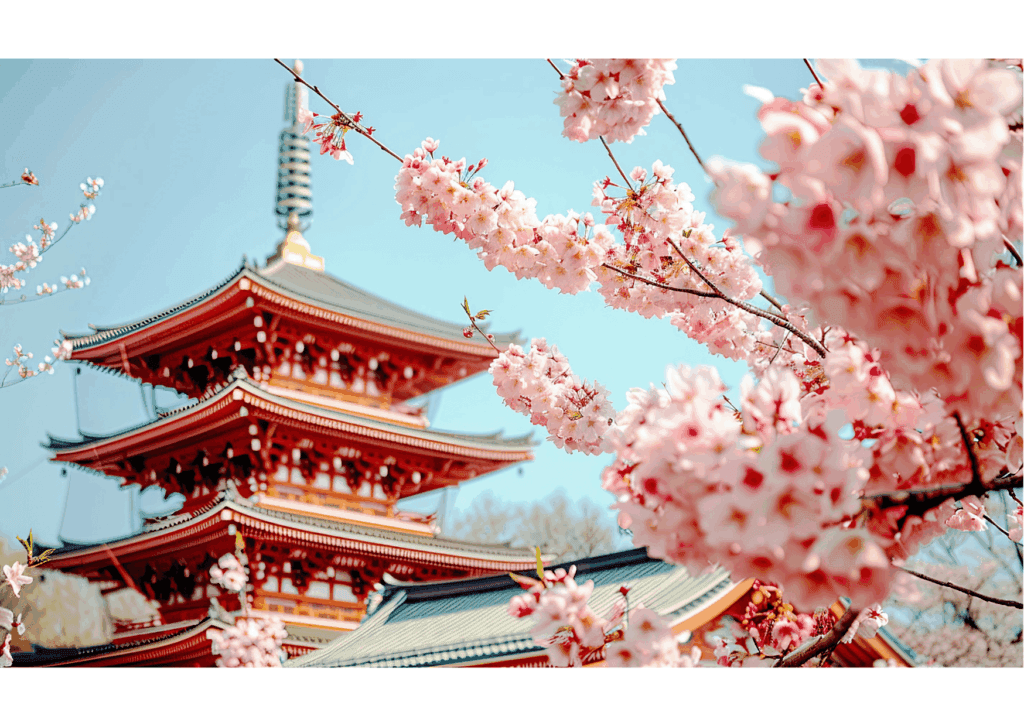
Tokyo does not reward travelers who try to see everything.
Instead, the city favors those who adapt to its structure, timing, and scale.
By understanding how Tokyo actually operates, repeat visitors can travel more smoothly—and enjoy the city in ways that guidebooks rarely describe.
href=”https://widget.getyourguide.com/default/city.frame” data-gyg-location-id=”193″ data-gyg-locale-code=”en-US” data-gyg-widget=”city” data-gyg-partner-id=”V6JTI6P”>