Japan’s famous cherry blossom spots(Hanami spots) are truly beautiful.
But on peak weekends, they can be extremely crowded.
The good news is: you can experience spring in Japan without going to a major tourist destination.
Cherry blossoms bloom all over Japan—in everyday places.
This article shares practical, easy tips you can use anywhere in the country to find, enjoy, and respect local sakura.
Why is Sakura so special for Japanese? Please read “Why Sakura Matters in Japan”
- How to Find Cherry Blossoms in Any City
- Timing Strategies to Avoid Crowds
- Turn Sakura Viewing Into a Local Experience
- Basic Local Hanami Etiquette (Keep It Simple)
- Keep It Quiet
- Avoid Alcohol in Small Parks
- Take Your Trash With You
- Don’t Touch the Branches
- Why This Experience Feels So Special
- Summary
- FAQ
- How can I find less-crowded cherry blossom spots?
- What’s the best way to avoid crowds during hanami?
- Are cherry blossoms common outside tourist spots?
- Is it rude to view cherry blossoms in local neighborhoods?
- Can I drink alcohol during hanami?
- What should I do with my trash?
How to Find Cherry Blossoms in Any City
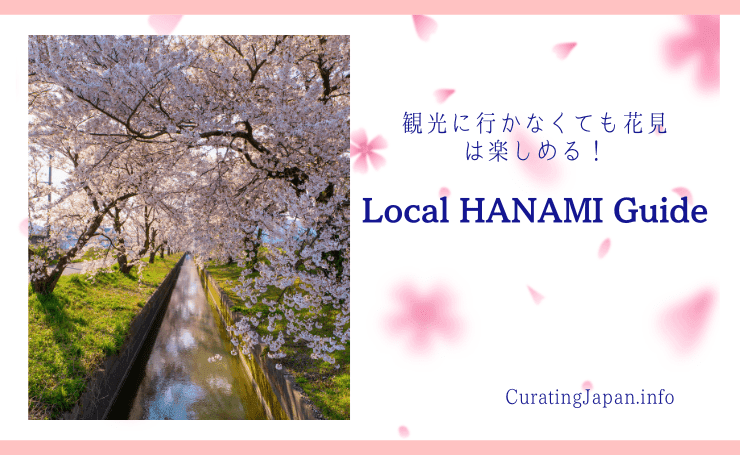
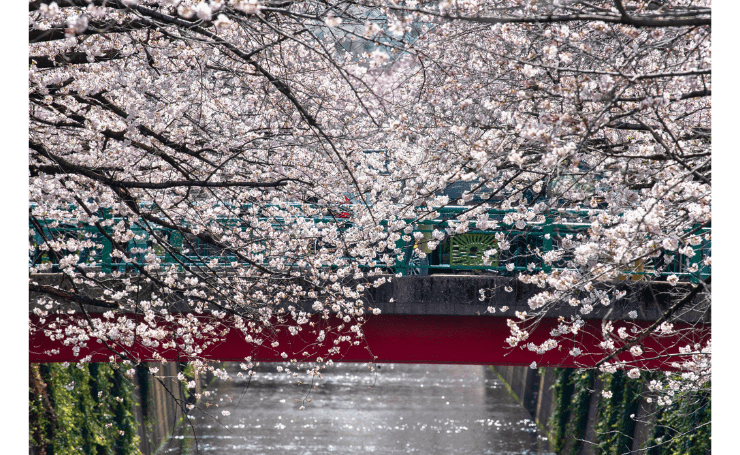
Walk Along a River
Many Japanese cities have rivers, and riverbanks often have cherry trees.
These areas are public land, so they’ve traditionally been easier places to plant trees—resulting in long rows of sakura.
Even if you’re not near a famous sightseeing spot, you may still find a quiet riverside path lined with blossoms.
Look for a Neighborhood Park
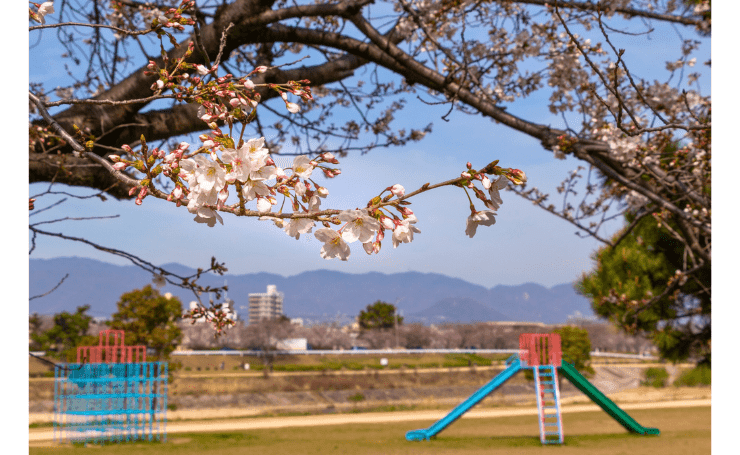
Open Google Maps and search for “park.”
Instead of large parks that attract crowds, look for smaller neighborhood parks in residential areas.
Taking photos is great—but if you can, sit on a bench and simply enjoy the view in silence.
It can feel like a small luxury, and you’ll notice a calmer side of spring in Japan.
Step Into a Local Shrine
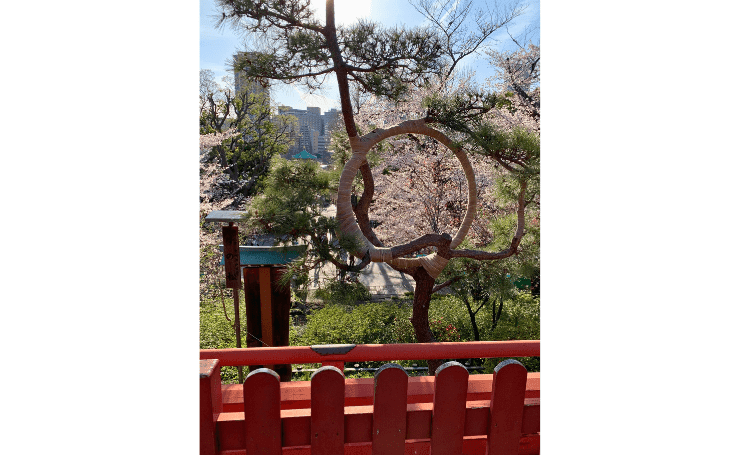
Shrines are often at the heart of a neighborhood.
Many have cherry trees as a symbol of spring.
Shrine grounds are usually quiet, and the atmosphere often feels more relaxed than major tourist areas.
Walk Near a School (From the Outside)
In Japan, cherry trees are often planted around schools, partly because the school year begins in April.
You cannot enter school grounds, but you can often see beautiful blossoms from nearby sidewalks.
It’s a great way to feel the local “spring mood” in a community.
Timing Strategies to Avoid Crowds
The same place can feel completely different depending on the time and weather.
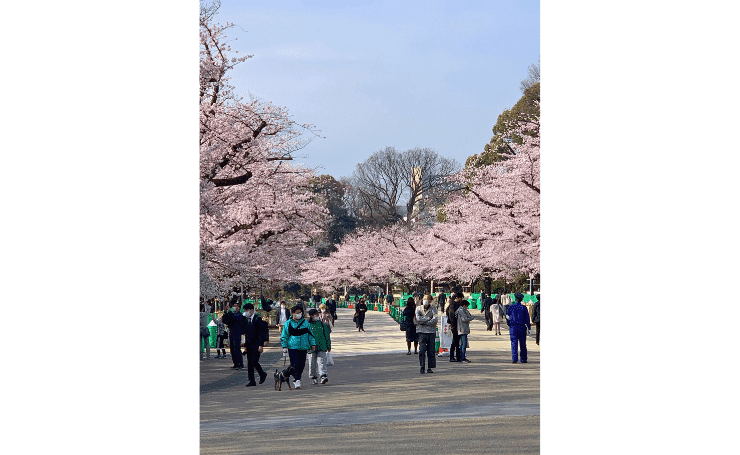
Early Morning (6–8 a.m.)
- Fewer people
- Clear air
- Easier to take photos
Even famous spots feel peaceful early in the morning.
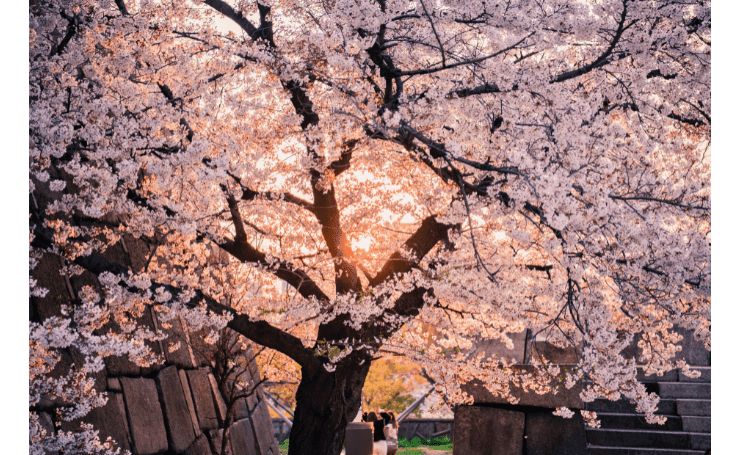
Before Sunset
The light becomes soft, and blossoms look more delicate.
Photos also tend to have natural, gentle colors.
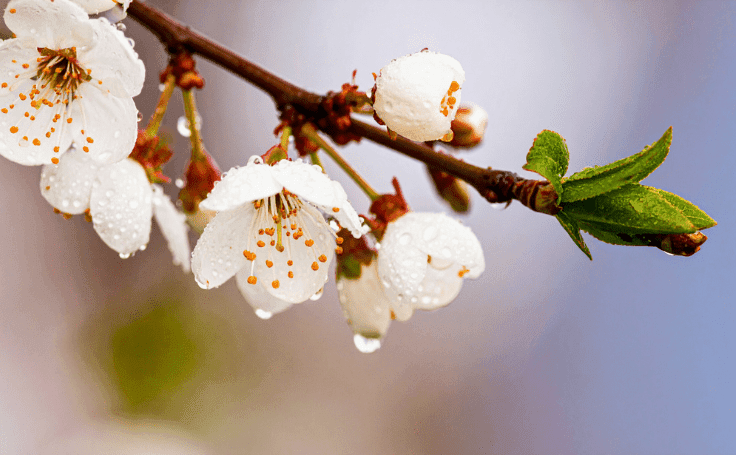
Rainy Days
There are fewer people, and the mood becomes quiet.
Wet petals can look deeper in color—beautiful in a different way.
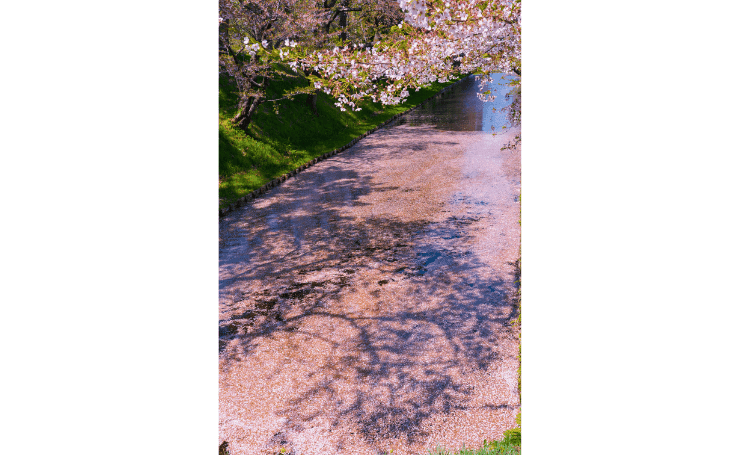
When Petals Start to Fall
This can be more memorable than full bloom.
In Japan, many people love the moment petals begin to scatter in the wind.
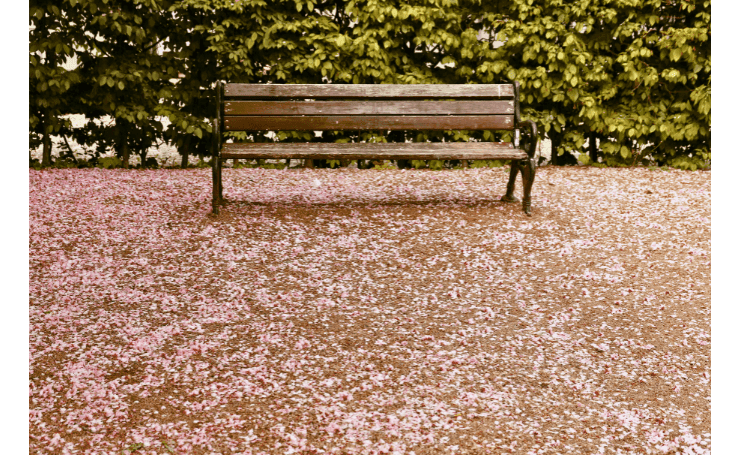
Sometimes fallen petals cover the ground or float on the river like a soft pink carpet—an unforgettable scene.
Turn Sakura Viewing Into a Local Experience
Look for Sakura-Themed Items at Supermarkets and Department Stores
In spring, you’ll find sakura-related seasonal products almost everywhere:
- Sakura-pattern paper plates, small household items, and decorations
- Sakura mochi and tri-colored dango
- Limited-time sakura-flavored sweets
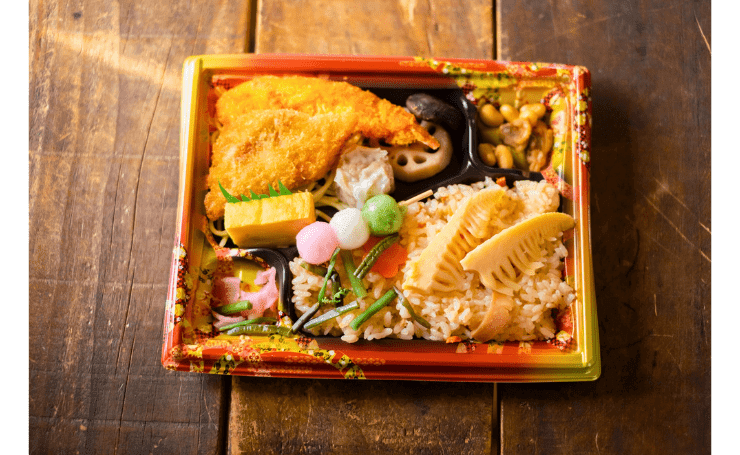
- Hanami bento (boxed meals for flower viewing)
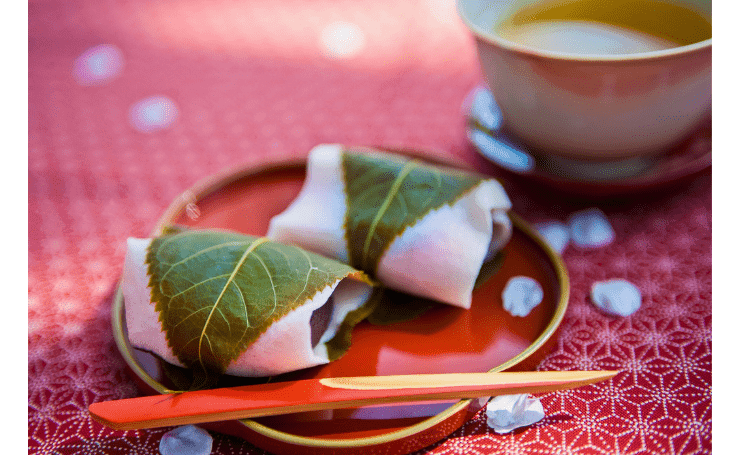
This is a great “local” experience because prices are normal—not tourist prices.
In department store food basements (depachika), you may also find beautifully made seasonal hanami bento.
Check Convenience Stores and Bakeries
In cherry blossom season, convenience stores and bakeries often sell:
- Limited-time sakura sweets
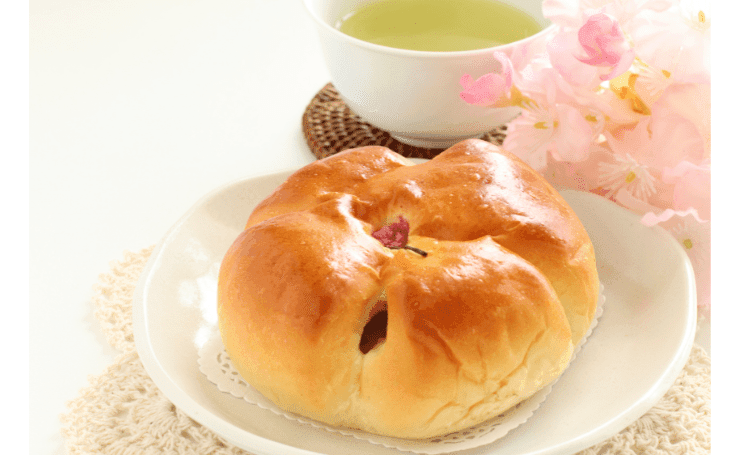
- Sakura-an bread (bread filled with sweet cherry-blossom-flavored bean paste)
- Other seasonal items that disappear after only a few weeks
Trying these short-season foods is part of experiencing spring in Japan.
Click here for a Useful Japanese Phrases for Shopping

Basic Local Hanami Etiquette (Keep It Simple)
If you enjoy sakura in non-tourist areas, a little consideration goes a long way.
Keep It Quiet
Small neighborhood parks and local shrines are part of daily life for residents.
Avoid loud music and large party-style gatherings.
Avoid Alcohol in Small Parks
Big hanami areas sometimes allow drinking, but in quiet local parks it’s safer to avoid alcohol.
Take Your Trash With You
Many parks do not have trash bins.
In Japan, it’s normal to take your garbage home if there’s nowhere to throw it away.
Don’t Touch the Branches
Do not shake branches or pull flowers closer for photos.
Keep a little distance and respect the trees.
This is especially important.
Why This Experience Feels So Special
For Japanese people, sakura is not only a tourist attraction.
It’s part of everyday life:
- Along the commute
- Near school gates
- On riverside walking paths
That’s why viewing blossoms in daily spaces can feel very different from visiting a famous spot.
It’s a quieter, more personal version of spring in Japan.
Summary
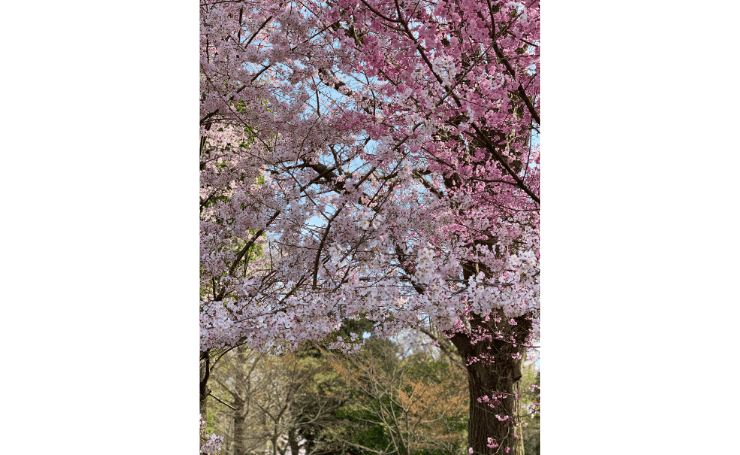
Cherry blossoms are everywhere in Japan.
You don’t need to chase famous spots.
Instead:
- Slow down
- Take a short walk
- Sit for ten minutes on a bench
- Notice the air, the light, and the petals
You may see a completely different side of Japanese spring.
FAQ
How can I find less-crowded cherry blossom spots?
Try riverside paths, neighborhood parks in residential areas, and shrine grounds. Searching “park” on Google Maps also helps.
What’s the best way to avoid crowds during hanami?
Go early in the morning, on rainy days, or on weekdays. The “petals falling” stage can also be quieter than peak bloom.
Are cherry blossoms common outside tourist spots?
Yes. In Japan, sakura trees are planted in everyday places like parks, school areas, and riverbanks.
Is it rude to view cherry blossoms in local neighborhoods?
Not at all—just avoid large party-style gatherings, keep noise low, and be considerate.
Can I drink alcohol during hanami?
In large hanami areas, drinking may be common. But in small neighborhood parks, it’s safer to avoid alcohol.
What should I do with my trash?
If there are no bins nearby, take your trash with you. This is standard etiquette in Japan.