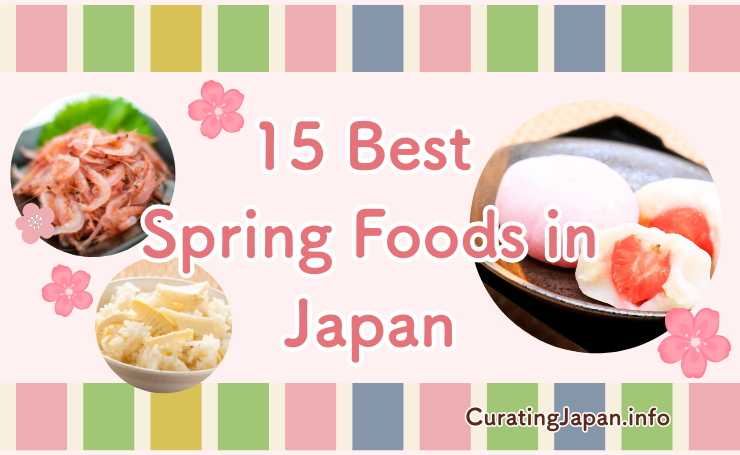
Spring food in Japan is not just about cherry blossoms.
It’s also one of the most exciting seasons for food.
As the weather warms up, menus across Japan begin to change-featuring lighter flavors, fresh vegetables, and seasonal seafood.
Even if you’re not cooking, you can easily enjoy these ingredients at restaurants, izakaya, and even convenience stores.
Here’s a practical guide to what to eat in Japan during spring-and what to order.
- Spring Seafood in Japan
- Sakura Shrimp (sakura ebi)
- Whitebait (shirasu )
- Firefly Squid
- Asari Clams
- Sea Bream (tai - "Sakura-dai" in spring )
- Spanish Mackerel (sawara )
- Bonito (katsuo )
- Spring Vegetables in Japan
- Classic Spring Ingredients
- "Spring" Vegetables (Haru)
- "New" Vegetables (Shin)
- Spring Sweets & Fruits
- Strawberries (ichigo )
- Sakura Sweets (sakura sweets )
- Bonus: Sansai (Wild Mountain Vegetables) For a Local Experience
- Sansai (wild mountain vegetables )
- Final Tips
Spring Seafood in Japan
Sakura Shrimp (sakura ebi)
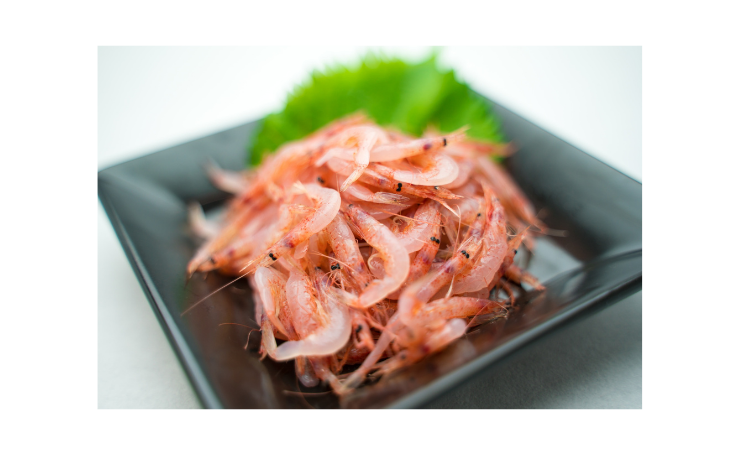
Tiny pink shrimp that appear only in spring, especially in Shizuoka.
What to order
- Sakura ebi kakiage (crispy tempura fritter)
- Sakura ebi don (rice bowl)
- Sakura ebi & shirasu don (a popular local combination)
👉 Often found in: tempura restaurants, local eateries
Whitebait (shirasu )
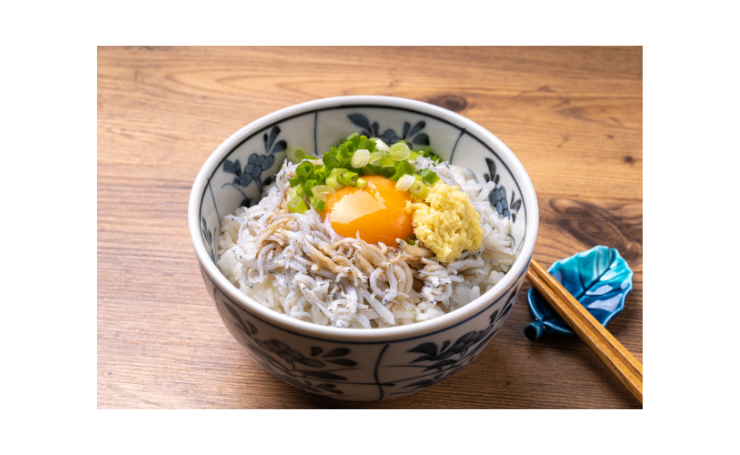
A spring specialty in coastal areas like Shizuoka and Kanagawa.
What to order
- Shirasu don (rice bowl topped with whitebait)
- Nama shirasu (raw whitebait, if available)
- Shirasu pizza/pasta
👉 Often found in: coastal restaurants, local eateries
This Kamakura & Enoshima day trip is one of the best ways to try it by the sea.

Firefly Squid
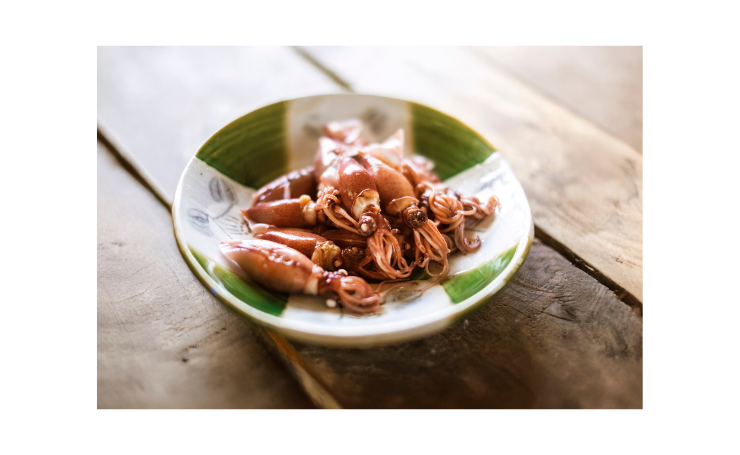
Small squid that are in season during spring, especially in Toyama, and known for their unique appearance and delicate flavor.
What to order
- Hotaru ika no sumisoae (boiled firefly squid with vinegar miso)
- Hotaru ika sushi
👉 Often found in: izakaya, seafood restaurants
Asari Clams
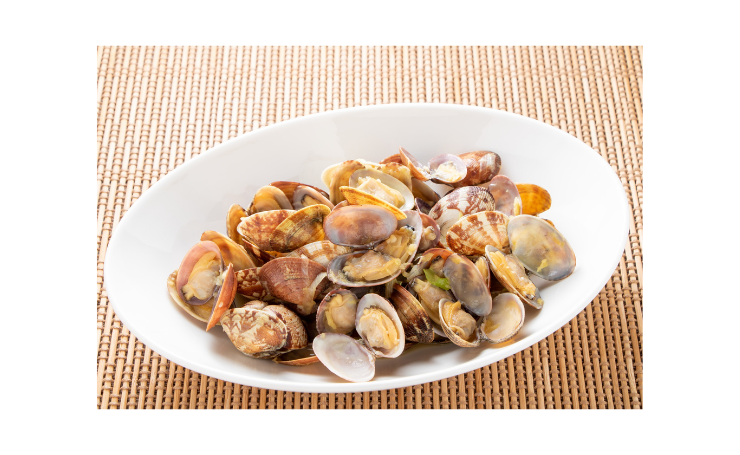
A classic spring ingredient in Japanese home-style dishes.
What to order
- Asari no sakamushi (clams steamed with sake)
- Miso soup with clams
👉 Often found in: izakaya, casual restaurants
Sea Bream (tai – “Sakura-dai” in spring )
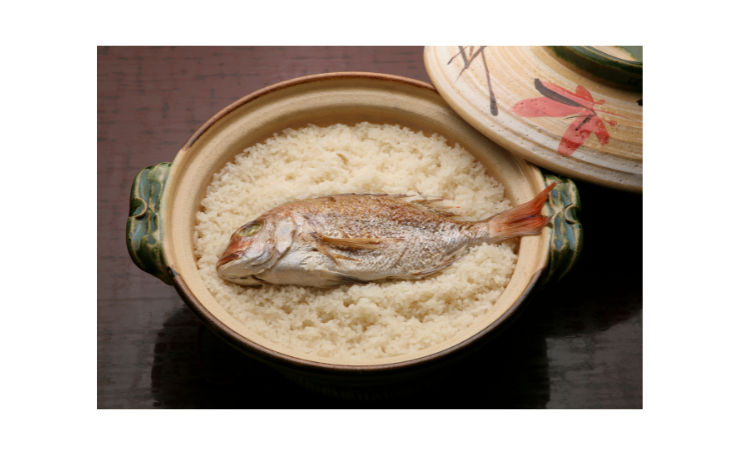
A celebratory fish especially prized during spring.
What to order
- Tai sashimi
- Tai meshi (tai rice bowl)
- Tai shabu-shabu
👉 Often found in: sushi restaurants
Spanish Mackerel (sawara )
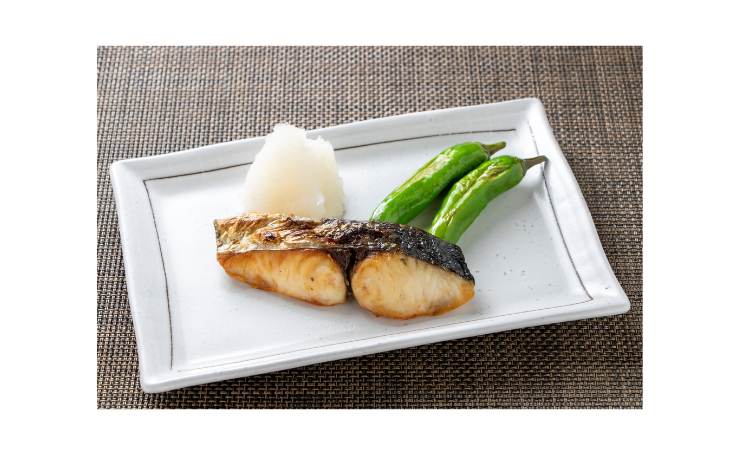
Interestingly, the kanji for sawara includes the character for “spring” (春), reflecting its seasonal peak.
What to order
- Grilled sawara (shioyaki)
- Sawara sashimi
👉 Often found in: izakaya, seafood restaurants
Bonito (katsuo )
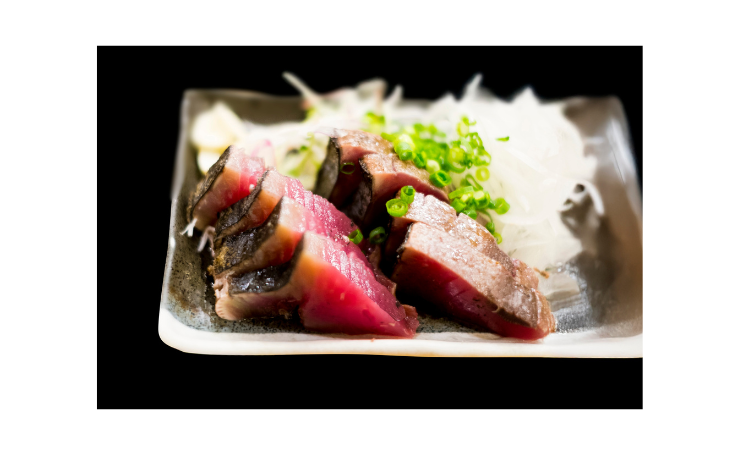
Known as hatsugatsuo (first bonito), a seasonal highlight from spring to early summer.
What to order
- Katsuo no tataki (lightly seared bonito)
- Katsuo sashimi
👉 Often found in: izakaya, regional restaurants
Want to try authentic katsuo no tataki? This guide to Hirome Market in Kochi shows one of the best places to enjoy it.

Spring Vegetables in Japan
You’ll find these spring vegetables used in a wide range of dishes-from simple side plates to stir-fries and even pasta. makes them special is their natural sweetness and gentle bitterness, which are at their peak during this season.
In Japan, seasonal vegetables are often labeled with words like “haru” (spring) or “shin” (new), indicating freshness and peak season. indicating freshness and peak season.
Classic Spring Ingredients
Bamboo Shoots (takenoko )

One of the most iconic spring ingredients in Japan.
What to order
- Takenoko gohan (bamboo shoot rice)
- Takenoko no tempura
👉 Often found in: traditional restaurants, set meals
Nanohana (nanohana )
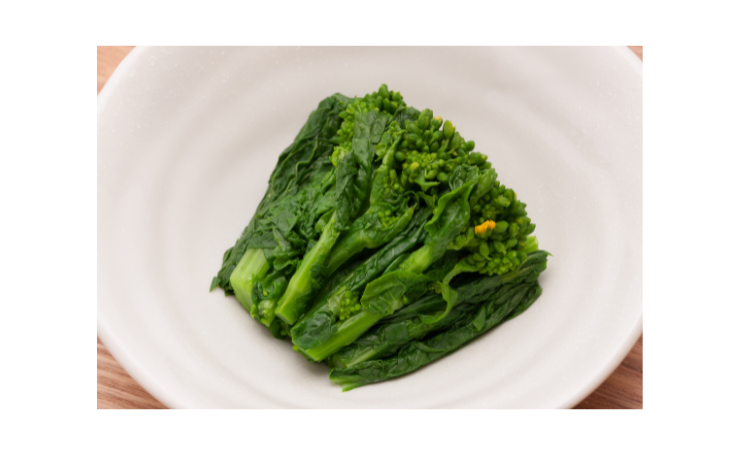
A classic spring vegetable in Japan, known for its bright color and slightly bitter, refreshing taste.
What to order
- Nanohana no ohitashi (lightly boiled rapeseed greens with soy-based dressing)
- Nanohana no karashiae (mustard-dressed nanohana)
👉 Often found in: traditional Japanese restaurants
Asparagus
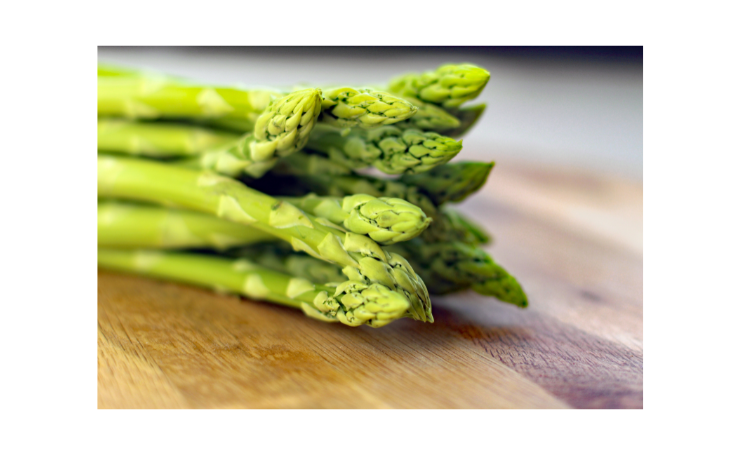
Sweet and tender during spring.
What to order
- Grilled asparagus
- Tempura
👉 Often found in: casual restaurants
“Spring” Vegetables (Haru)
Spring Cabbage (haru kyabetsu )
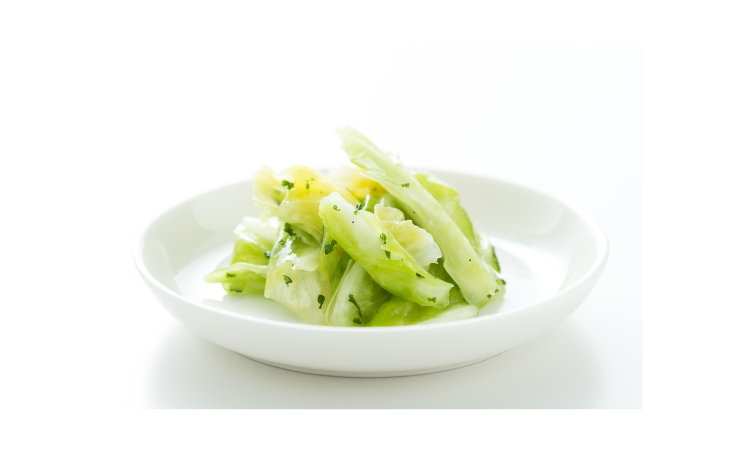
Sweeter and softer than regular cabbage.
What to order
- Cabbage salad
- Lightly pickled cabbage
👉 Often found in: izakaya, casual restaurants
“New” Vegetables (Shin)
New Onion (shin tamanegi )
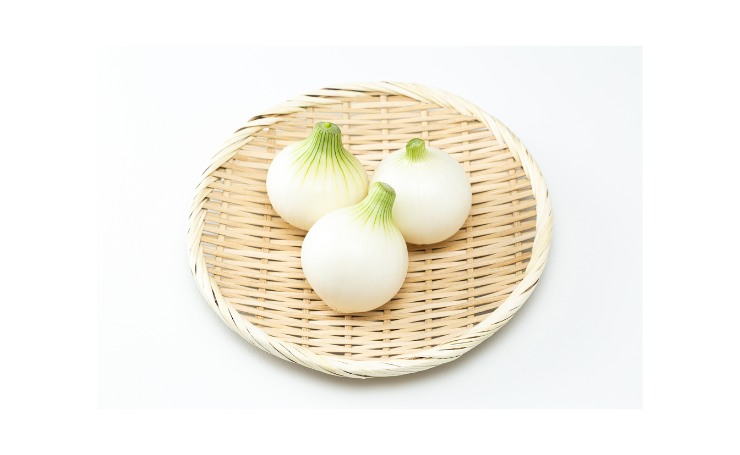
Mild and juicy, often eaten raw.
What to order
- Onion salad
- Grilled onion
👉 Often found in: izakaya, home-style restaurants
New Potatoes (shin jaga )
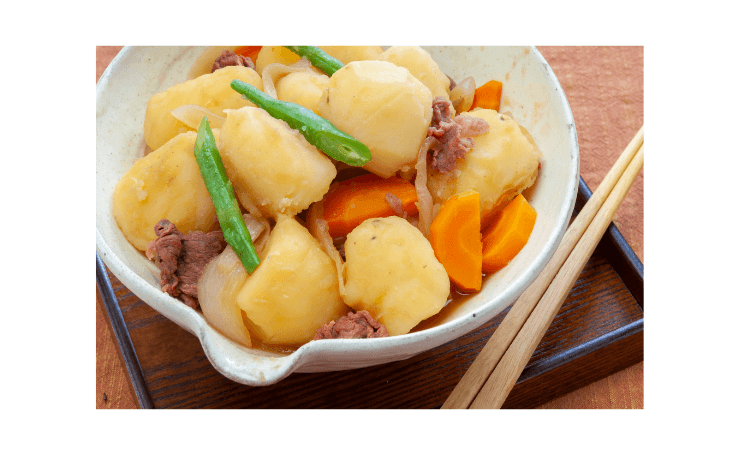
Tender and slightly sweet.
What to order
- Nikujaga (Japanese meat and potato stew)
- Jaga bata (steamed potatoes with butter)
👉 Often found in: casual restaurants
Spring Sweets & Fruits
Strawberries (ichigo )

Japan is famous for its high-quality strawberries.
They are so sweet and juicy.
What to order
- Ichigo daifuku
- Ichigo sweets
If you visit during spring, you can also try strawberry picking (ichigo-gari), a popular seasonal activity.
Sakura Sweets (sakura sweets )
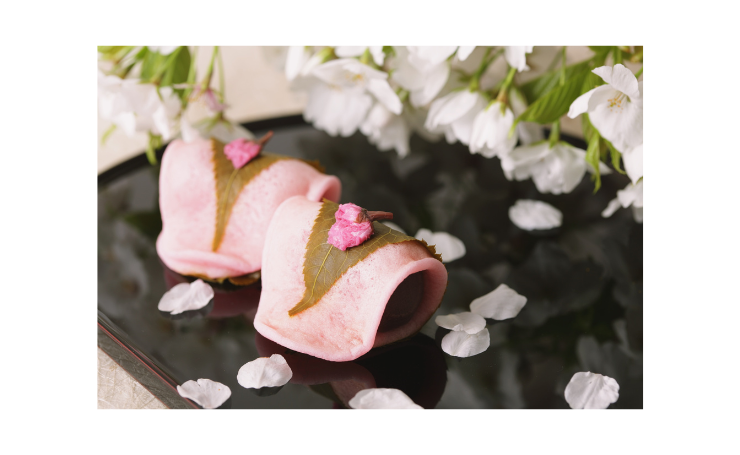
Seasonal desserts flavored with cherry blossoms.
What to try
- Sakura mochi
- Sakura latte
- Sakura desserts
During spring, many limited-time sakura-flavored products appear across Japan.
👉 Often found in: cafes, bakeries, convenience stores
Bonus: Sansai (Wild Mountain Vegetables) For a Local Experience
Sansai (wild mountain vegetables )
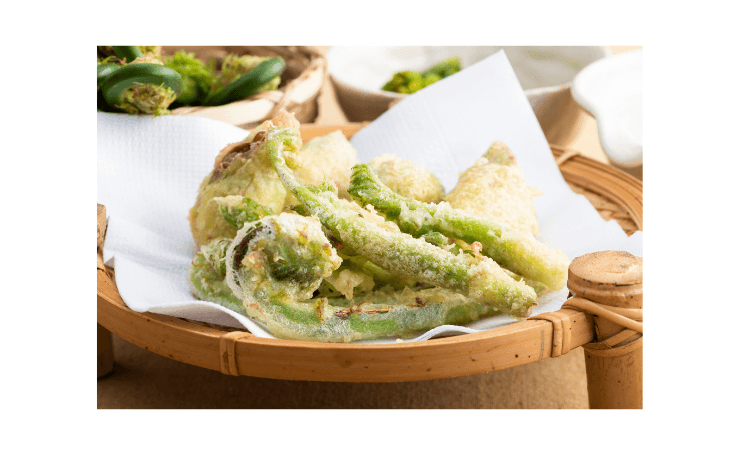
Traditional foraged plants that reflect Japan’s deep connection to nature.
While not as commonly found as other ingredients, sansai offers a unique taste of traditional Japan.
What to order
- Sansai tempura
- Sansai gohan (Seasoned rice mixed with sansai)
👉 Often found in: rural areas, ryokan
Final Tips
- Look for words like: haru = spring, shin = new / seasonal
- Izakaya and set meal restaurants are the easiest places to try seasonal dishes
Spring in Japan is not only beautiful-it’s delicious.
If you know what to look for, you can experience the season through food just like locals do.