- Tokyo travel is 90% about choosing the right area
- Quick Diagnosis: which Tokyo area fits your trip?
- Tokyo area cheat sheet: who each neighborhood is for
- Neighborhood-by-neighborhood guide (8 areas)
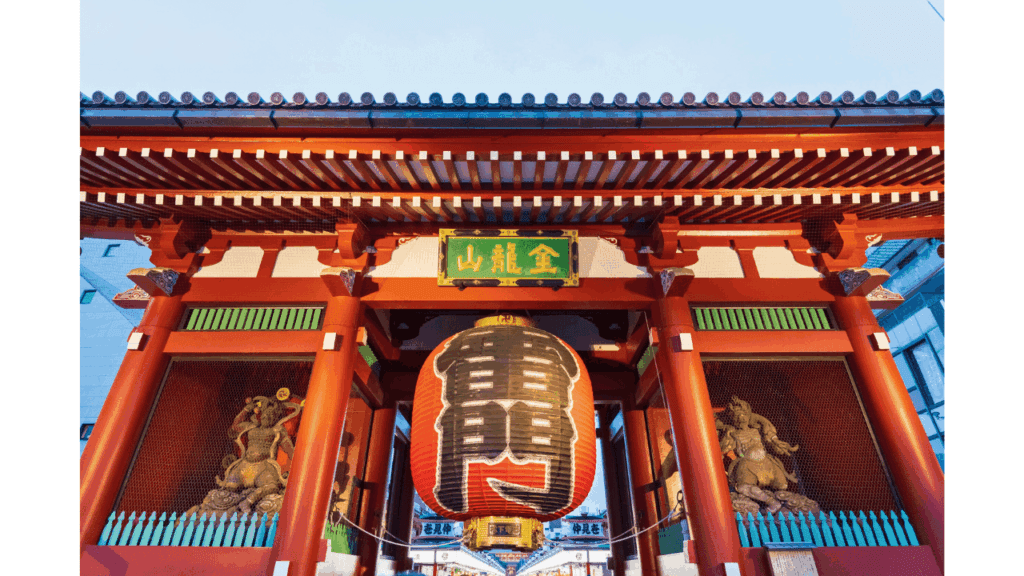
- Asakusa: classic “Japan” atmosphere in Tokyo
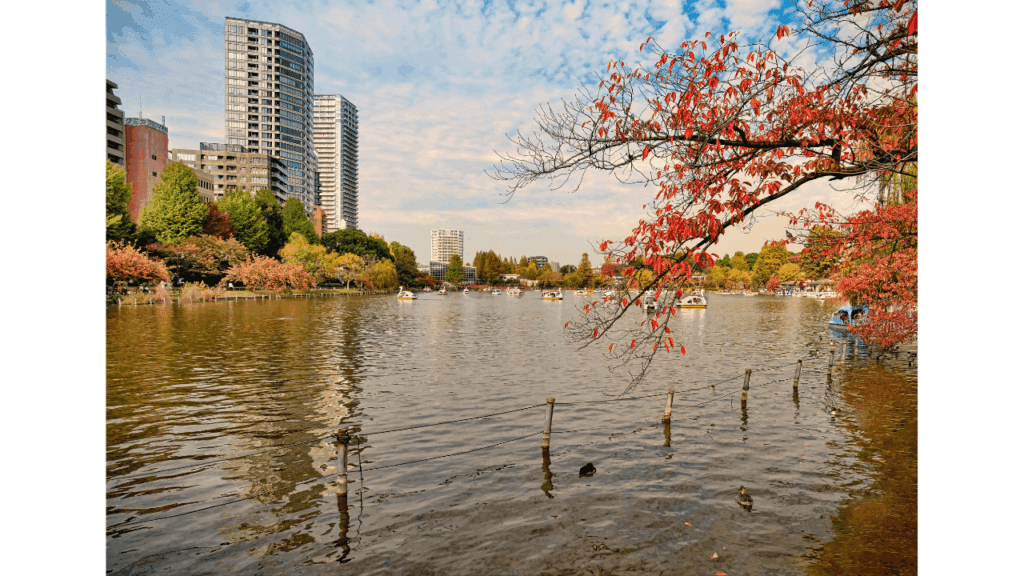
- Ueno: parks and museums (family-friendly, calmer pace)
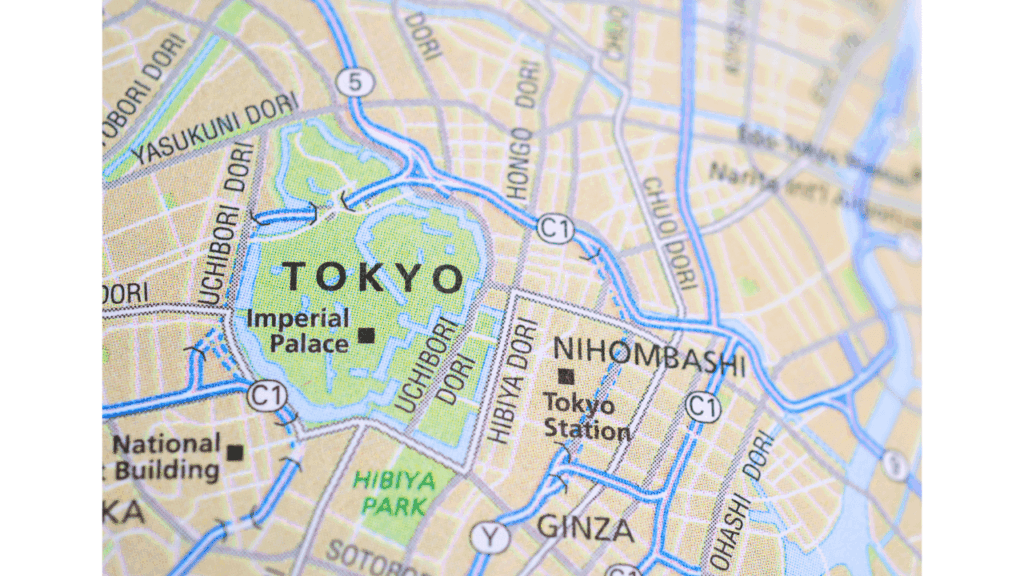
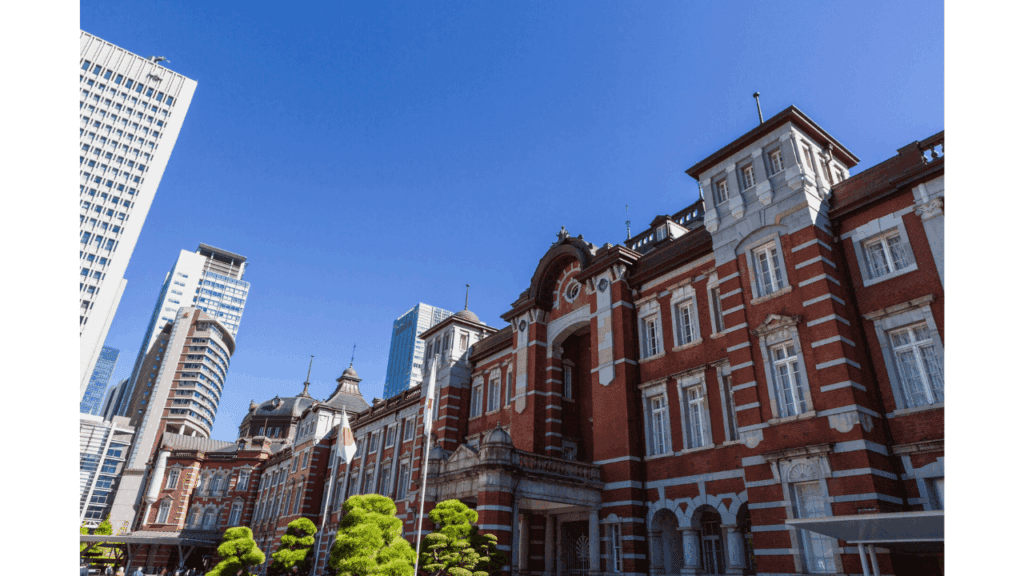
- Ginza / Nihonbashi / Tokyo Station area: “grown-up Tokyo”
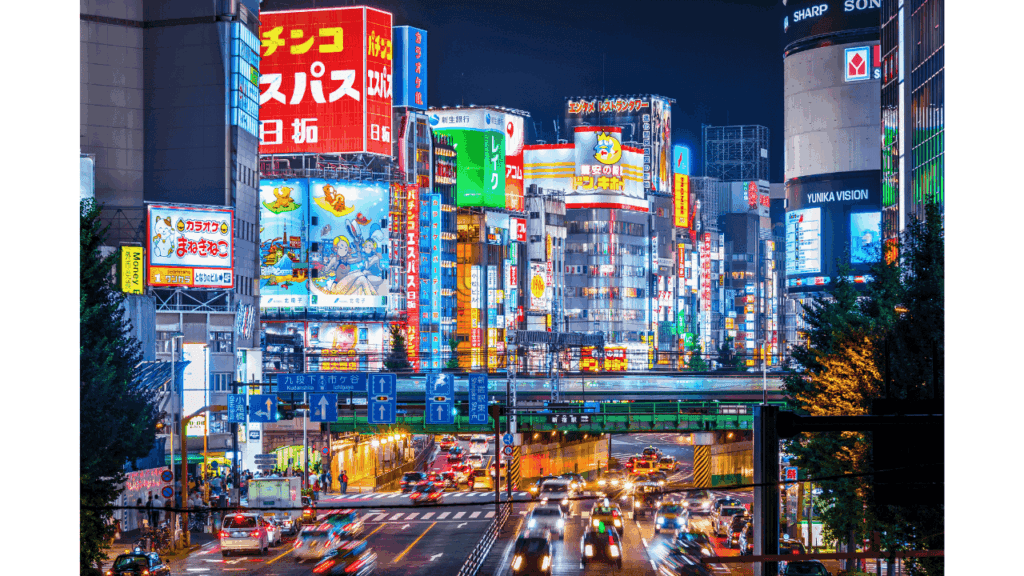
- Shinjuku: skyscrapers, city lights, and “Tokyo scale”
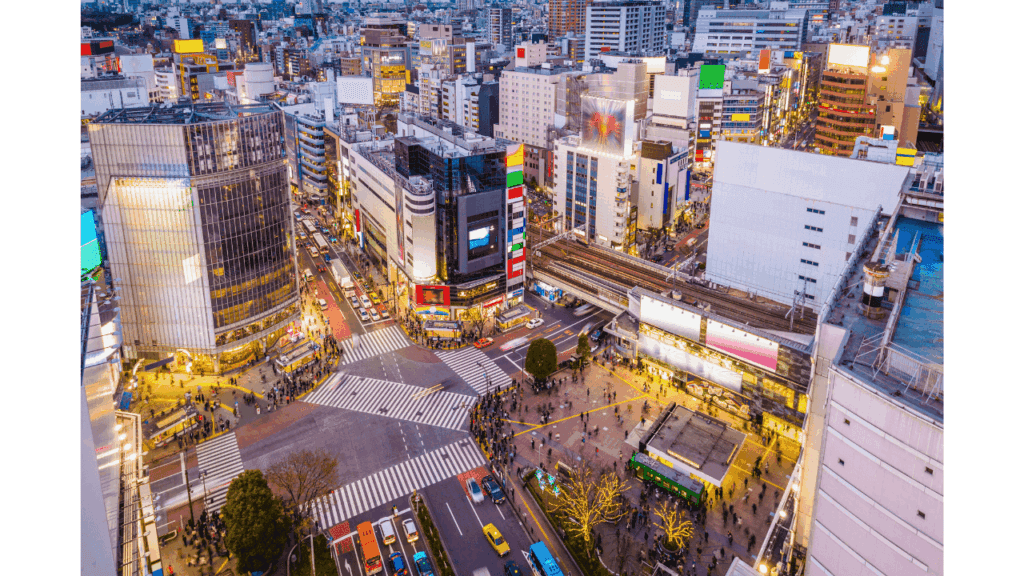
- Shibuya: trends, energy, and modern Tokyo culture
- Harajuku: cute culture + street fashion (and Omotesando nearby)
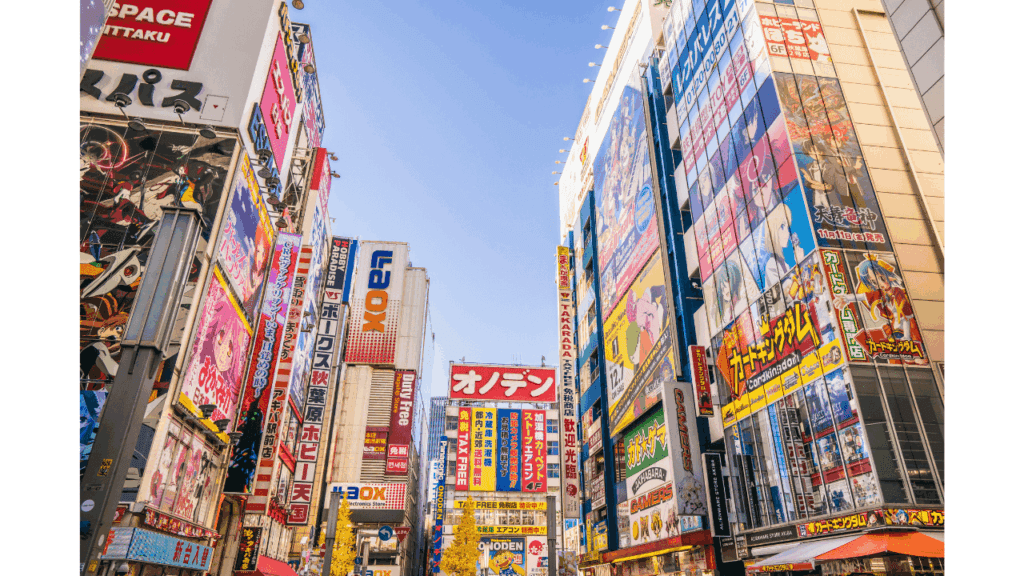
- Akihabara: anime, games, and electronics
- Ikebukuro: all-in-one shopping and entertainment hub
- Easy itineraries (don’t bounce between far areas)
- FAQ (for first-timers)
- Summary
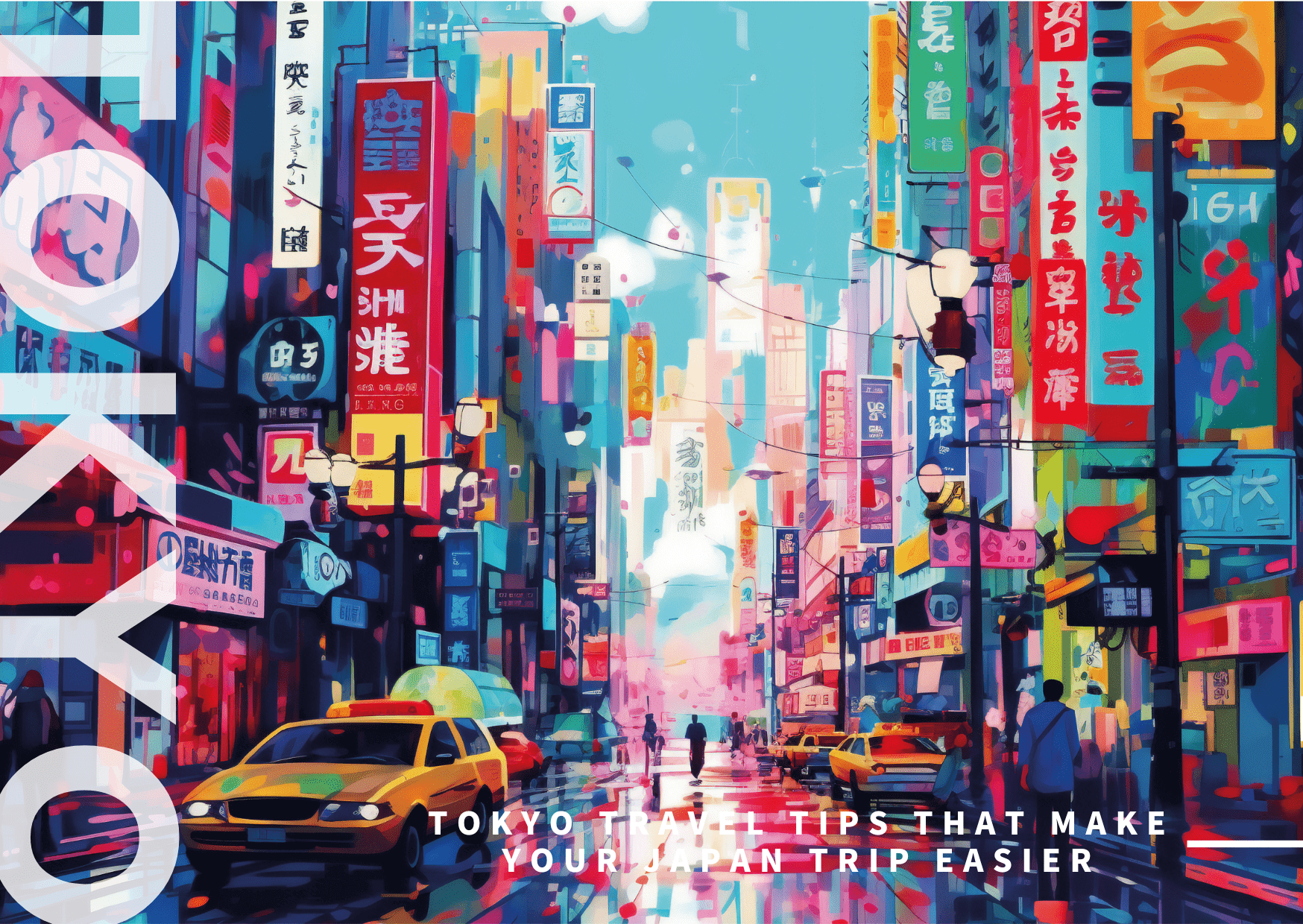
Tokyo travel is 90% about choosing the right area
Tokyo isn’t one “city vibe”—each neighborhood has a completely different personality. You can go from old-town temples and street food to neon skyscrapers, luxury shopping, or anime culture in a few train stops.
That’s why the best way to plan isn’t by chasing individual spots first—it’s by deciding which area matches your travel style. This guide helps first-timers and repeat visitors choose the right Tokyo areas quickly, then build an itinerary without unnecessary back-and-forth.
Quick Diagnosis: which Tokyo area fits your trip?
Q1: What’s your main goal in Tokyo?
- Classic Japan + photos (temples / old town) → Asakusa / Ueno
- “Modern Tokyo” vibes (trends / youth culture) → Shibuya / Harajuku
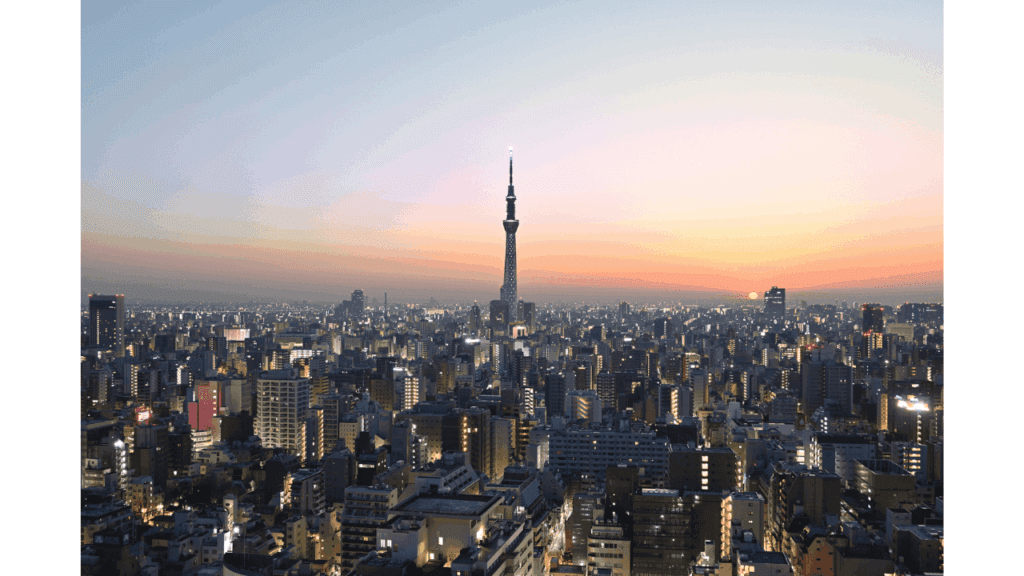
- Skyscrapers / big-city night views → Shinjuku
- Upscale shopping + classy city walk → Ginza / Nihonbashi / Tokyo Station (Marunouchi)
- Anime / games / electronics → Akihabara / Ikebukuro
If you’re unsure, a first Tokyo trip is easiest when you include at least one of these: Asakusa, Shibuya, or Shinjuku.ku.)
Here are some tips to make your trip to Tokyo easier!
Tokyo area cheat sheet: who each neighborhood is for
Asakusa: temples, old-town Tokyo, street snacks, photos
Ueno: parks, museums, zoo, relaxed sightseeing
Ginza / Nihonbashi / Tokyo Station: upscale shopping, food, architecture, convenient base
Shinjuku: skyscrapers, night views, entertainment, “Tokyo scale”
Shibuya: trends, energy, shopping, nightlife
Harajuku: cute culture, street fashion, cafes (easy add-on to Shibuya)
Akihabara: anime, games, electronics (best with a theme)
Ikebukuro: shopping + entertainment hub, great for rainy days
Neighborhood-by-neighborhood guide (8 areas)
Asakusa: classic “Japan” atmosphere in Tokyo
Best for: first-timers / temples / traditional vibe / photos
3 keywords: Senso-ji, Kaminarimon Gate, Nakamise shopping street
Half-day plan: Kaminarimon → Nakamise snacks & souvenirs → Senso-ji → Sumida River walk
Best time: morning to midday
Watch out: it gets crowded fast—start early for the best experience.
Ueno: parks and museums (family-friendly, calmer pace)
Best for: families / museum lovers / relaxed sightseeing
3 keywords: Ueno Park, museums, Ameyoko market street
Half-day plan: Ueno Park stroll → choose one museum → Ameyoko for lunch and casual shopping
Best time: midday (morning is also great on a clear day)
Watch out: don’t over-pack museums—one museum + park + Ameyoko is the sweet spot.
Ginza / Nihonbashi / Tokyo Station area: “grown-up Tokyo”
Best for: adults / upscale shopping / calm city walks
3 keywords: department stores & depachika (Ginza) / heritage shops (Nihonbashi) / architecture & access (Tokyo Station–Marunouchi)
Half-day plan: walk around Tokyo Station–Marunouchi → lunch in Nihonbashi → shopping + depachika sweets in Ginza
Best time: midday to late afternoon
Watch out: it’s wider than it looks—pick one theme (shopping or architecture or food) to stay efficient.
Shinjuku: skyscrapers, city lights, and “Tokyo scale”
Best for: big-city feeling / night views / entertainment
3 keywords: high-rises, mega-station, neon streets
Half-day plan: arrive late afternoon → skyline area walk → dinner + evening city stroll
Best time: late afternoon to night
Watch out: Shinjuku has very different sub-areas—stick to well-lit main streets if you’re new.
Shibuya: trends, energy, and modern Tokyo culture
Best for: first Tokyo trip / shopping / people-watching / nightlife
3 keywords: Scramble Crossing, pop culture, city energy
Half-day plan: Scramble area → shopping + cafe break → evening walk when the city lights up
Best time: afternoon to night
Watch out: the station is huge—decide a clear meeting point if you’re with others.
Harajuku: cute culture + street fashion (and Omotesando nearby)
Best for: fashion / cafes / “kawaii” culture / photo-friendly streets
3 keywords: street fashion, sweets, Omotesando
Half-day plan: Harajuku for playful vibes → cafe break → switch to Omotesando for a more polished mood
Best time: morning to midday
Watch out: weekends get packed—go earlier or keep it short and pair it with Shibuya.

Akihabara: anime, games, and electronics
Best for: anime/games/electronics fans / “mission shopping”
3 keywords: Electric Town, hobby shops, subculture
Half-day plan: choose your theme (electronics/anime/figures) → shop-hop → cafe break
Best time: midday to late afternoon
Watch out: amazing if it’s your interest, tiring if it’s not—set a time limit and a theme.
Ikebukuro: all-in-one shopping and entertainment hub
Best for: rainy days / indoor shopping / entertainment variety
3 keywords: large malls, indoor-friendly, pop culture
Half-day plan: shopping → cafe → dinner (easy to stay indoors the whole time)
Best time: afternoon to night
Watch out: because it has “everything,” it’s easiest if you decide your focus first (shopping, cafes, or anime culture).
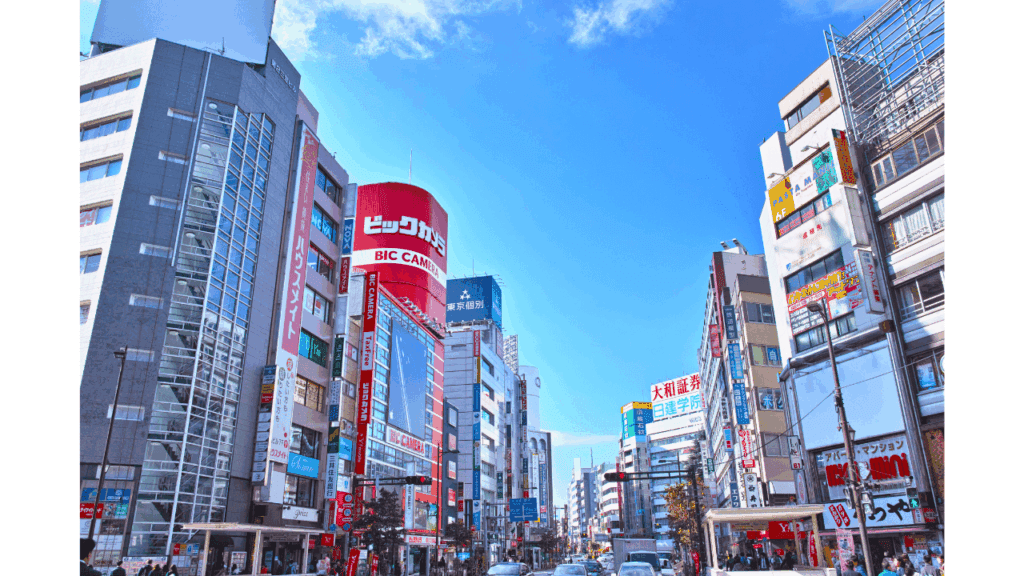
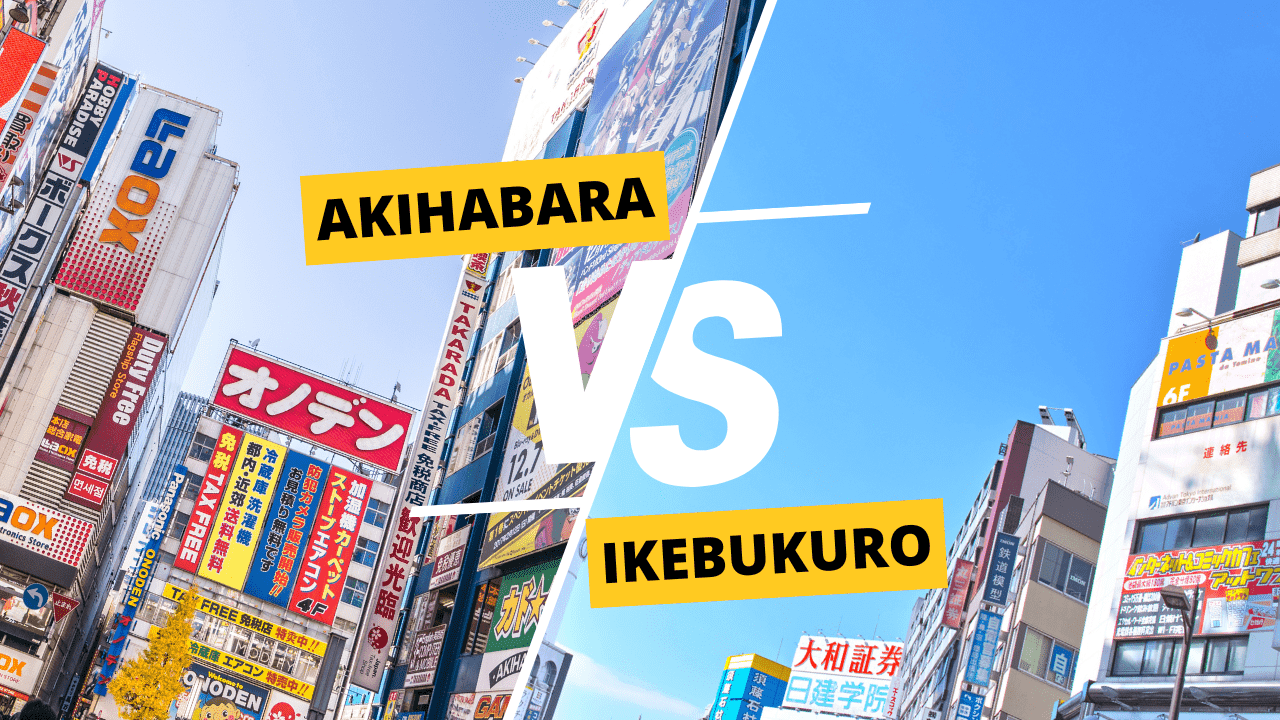
Ikebukuro or Akihabara, which is right for you? Check out this article!
Easy itineraries (don’t bounce between far areas)
First-time Tokyo (2–3 days)
Day 1: Asakusa + Ueno (old town + culture)
Asakusa (morning) → Ueno (midday to afternoon)
Day 2: Shibuya + Harajuku (modern Tokyo)
Shibuya (afternoon) → Harajuku/Omotesando (late afternoon)
Day 3: Ginza/Nihonbashi/Tokyo Station area + Shinjuku (classy + night views)
Ginza/Nihonbashi/Tokyo Station area (daytime) → Shinjuku (evening)
Second trip and beyond (pick a theme day)
- Subculture focus: Akihabara (electronics/anime) or Ikebukuro (indoor shopping + entertainment)
- Photo + city walk upgrade: revisit Asakusa early morning → Ginza/Nihonbashi/Tokyo Station area for cafes and shopping
Note: We’re also preparing a separate “Everyday Tokyo for repeat visitors” article (Daikanyama, Nakameguro, Shimokitazawa, Koenji, etc.). We’ll link it here once it’s published.
FAQ (for first-timers)
Q. Where should I stay in Tokyo for easy transport?
A. For a first trip, staying near a major hub reduces stress. Good bases include Shinjuku, Shibuya, Ueno, or the Tokyo Station/Marunouchi area.
Q. Can I combine Shibuya and Harajuku in one day?
A. Yes—this is one of the easiest pairings. Plan a half day to a full day depending on shopping and cafes.
Q. How do I avoid crowds?
A. Go early in Asakusa/Harajuku/Shibuya, or shift your visit later in the day. Weekends are the busiest.
Summary
Tokyo is easiest when you decide your purpose → best area, then group nearby neighborhoods together. Use the Quick Diagnosis, pick 2–3 areas that match your style, and you’ll get a smoother, more “Tokyo-like” trip—without wasting time in transit.