The Japan Rail Pass (JR Pass) is a time-limited unlimited ride train ticket that can be used across many parts of Japan on JR lines.
It can be great for long-distance travel—but it’s not always the best value for every itinerary.
(JR stands for Japan Railways—the group of major railway companies that runs many of Japan’s main train lines, including the Shinkansen.)
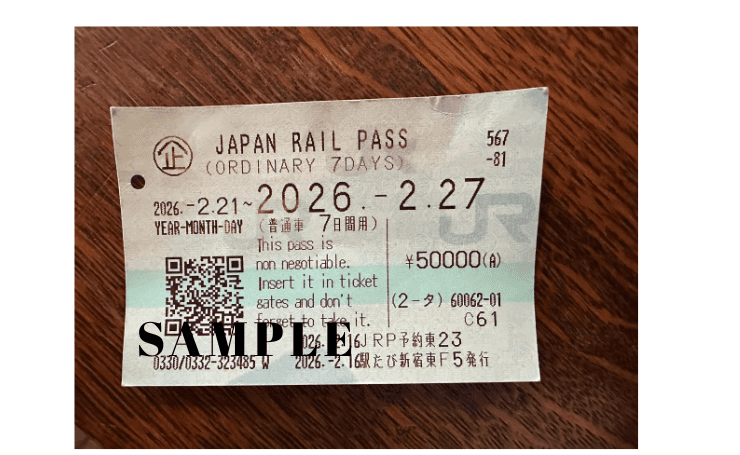
The JR Pass is only one part of getting around Japan. For a bigger picture of tickets, IC cards, and how Japanese trains work, see our Japan train system guide.
- Japan Rail Pass Prices (Nationwide)
- Is the JR Pass Worth It? (With Simple Price Examples)
- Who Should Buy the JR Pass?
- Who Should NOT Buy It?
- JR Pass vs Regional Passes (Often Better Value)
- What the JR Pass Covers
- What the JR Pass Does NOT Cover
- Using the JR Pass from Airports (Narita / Haneda / KIX)
- Shinkansen You Can Ride (and You Cannot)
- Oversized Luggage Rules (Shinkansen)
- How to Buy the JR Pass (Online Step-by-Step)
- Where to Pick Up / Exchange Your JR Pass in Japan
- Exchange & Start Date Rules (Read This Carefully)
- How to Use the JR Pass at Ticket Gates (Automatic Gates)
- Seat Reservations
- Important Notes (Quick checklist)
- FAQ
Japan Rail Pass Prices (Nationwide)
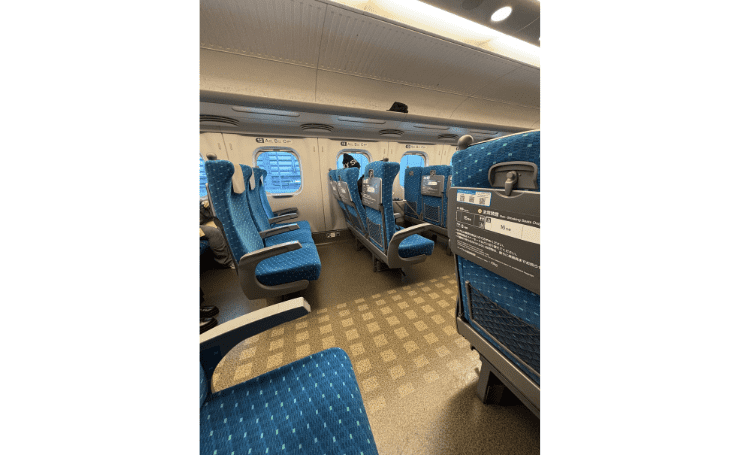
The JR Pass comes in two seat classes:
Ordinary (standard class) and Green Car (first-class style seating with more space and a quieter cabin).
| Validity | Ordinary (Adult) | Green (Adult) |
|---|---|---|
| 7 days | ¥50,000 | ¥70,000 |
| 14 days | ¥80,000 | ¥110,000 |
| 21 days | ¥100,000 | ¥140,000 |
Child (ages 6–11) fares are half price.
Is the JR Pass Worth It? (With Simple Price Examples)
Fares vary by train type and seat type, but the examples below are helpful for quick judgment.
Example A: Often Worth Considering
Tokyo → Kyoto → Hiroshima → Tokyo (within 7 days)
Approximate one-way fares (ordinary seat examples):
- Tokyo → Kyoto: ¥16,050
- Kyoto → Hiroshima: ¥13,500
- Hiroshima → Tokyo: ¥21,110
Total (approx): ¥50,660
Compare with 7-day JR Pass: ¥50,000
→ If you add extra JR day trips (e.g., JR Nara, Himeji, etc.), the pass can become a good value.
Example B: Usually NOT Worth It
Tokyo ↔ Kyoto round trip
- Tokyo → Kyoto: ¥16,050
- Kyoto → Tokyo: ¥16,050
Total (approx): ¥32,100
Compare with 7-day JR Pass: ¥50,000
→ Individual tickets are typically cheaper.

Who Should Buy the JR Pass?
The nationwide JR Pass is usually a good fit if you:
- travel across multiple regions in a short period (Tokyo + Kansai + Hiroshima, or Tokyo + Kyushu, etc.).
- take multiple long-distance JR trips (especially Shinkansen + limited express)
Who Should NOT Buy It?
The JR Pass is often not worth it if you:
- only do one major Shinkansen round trip (e.g., Tokyo–Kyoto only).
- stay mainly in one city/one region and use subways most days (subways are generally not JR)
JR Pass vs Regional Passes (Often Better Value)
If your trip stays within one region, a regional JR pass may be cheaper than the nationwide JR Pass. For example, Kansai-focused trips (Osaka/Kyoto/Nara) often pair well with JR West passes and airport access options like HARUKA.
(You can add a short “Which regional pass for which region” internal-link hub later.)
Planning to explore Hokkaido by train? Check our Hokkaido Rail Pass itinerary for a practical route and travel tips.

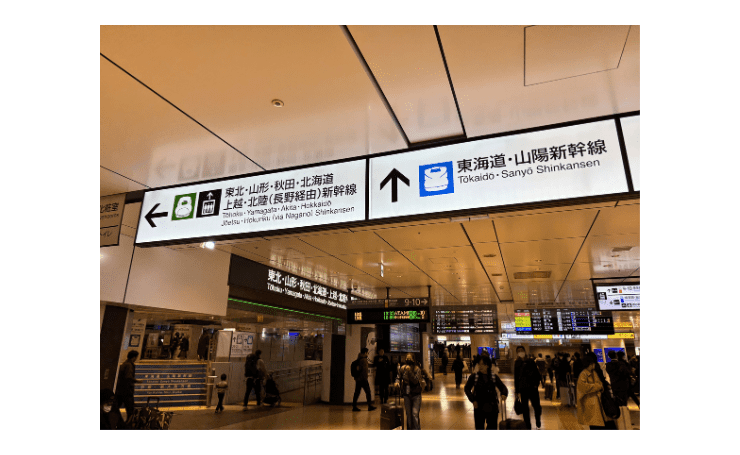
What the JR Pass Covers
The JR Pass covers:
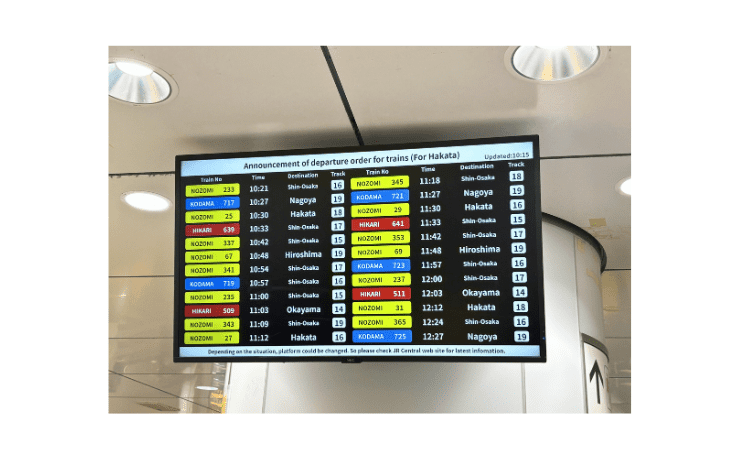
- JR Shinkansen (except NOZOMI and MIZUHO)
- JR limited express / express / rapid / local trains
- Tokyo Monorail
(Plus some JR buses/ferries with conditions.)
What the JR Pass Does NOT Cover
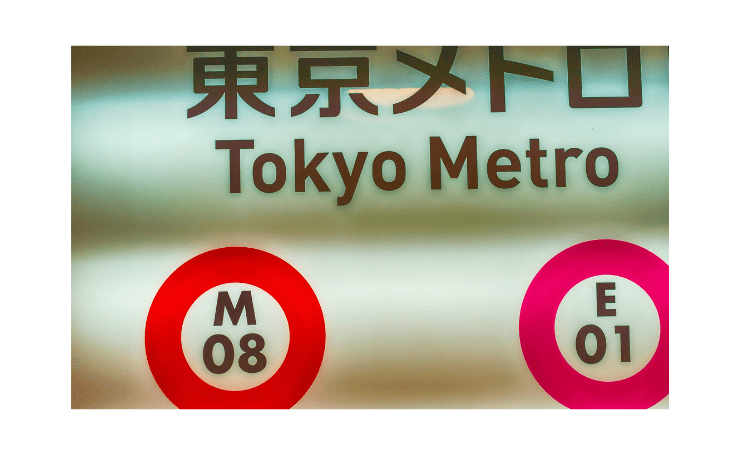
The JR Pass is not valid on most subways and private railways.
That’s why many travelers still use an IC card (Suica/PASMO) for local transport inside cities.
Using the JR Pass from Airports (Narita / Haneda / KIX)
Airport access depends on whether the train is JR (covered) or non-JR (not covered).
Narita Airport (Tokyo)
- JR trains are covered (JR Pass covers JR limited express, etc.).
- Many JR Pass route maps show Narita Airport on the JR network overview.
- Non-JR options like Keisei Skyliner are operated by Keisei (not JR).
Haneda Airport (Tokyo)
- Tokyo Monorail is covered by the JR Pass.
- Keikyu Line is a private railway (not JR), so it’s not covered.
- The nationwide JR route map also highlights Haneda’s “International Terminal” on the network map.
Kansai International Airport (Osaka/Kyoto)
- The HARUKA airport express is a common JR option to Kyoto/Shin-Osaka/Osaka (covered as a JR service).
- JR Pass covers JR trains (including limited express).

Shinkansen You Can Ride (and You Cannot)
With the JR Pass, you cannot use:
- NOZOMI
- MIZUHO
Instead, use:
- HIKARI
- KODAMA
- SAKURA (depending on the line)

Oversized Luggage Rules (Shinkansen)
If your baggage total dimensions (A+B+C) are over 160 cm, you must reserve a seat with an oversized baggage area on applicable Shinkansen services.
- Reservation itself does not cost extra.
- If you board without the required reservation, a ¥1,000 fee may apply.

How to Buy the JR Pass (Online Step-by-Step)
Step 1 — Create an account
User registration is required on the official reservation website.
Step 2 — Choose pass type
Select Ordinary/Green and 7/14/21 days.
Step 3 — Enter traveler details
For official online purchase, you enter traveler details based on passport information.
You can purchase passes for multiple travelers in one reservation (up to 6 people).
Step 4 — Pay by credit card
Official online purchase is credit-card payment.
Step 5 — Save your reservation number
You’ll need the reservation number when picking up the pass.
Tip: The official JR Pass site also provides a video guide that makes the online steps easier to follow.
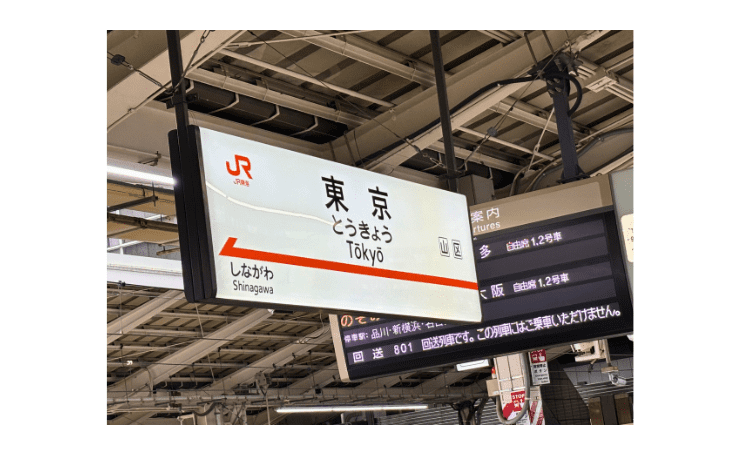
You can also purchase the Japan Rail Pass from platforms other than the official website. For details, please check the sites below.
🚄 Japan Rail Pass
Japan Rail Pass allows unlimited travel on JR trains across Japan, including many Shinkansen lines. If you plan to visit multiple cities, it can be one of the most convenient and cost-effective ways to travel.
Where to Pick Up / Exchange Your JR Pass in Japan
Pick-up/exchange locations (airports and major stations) are listed on the official site.
What you need
Bring:
- Passport showing Temporary Visitor status (stamp or sticker)
- Reservation number
If you bought passes for multiple travelers, each traveler’s passport must be presented.
Important (Temporary Visitor stamp/sticker):
To pick up or exchange the JR Pass, your passport must show a “Temporary Visitor” stamp or sticker.
If you use automated immigration gates, your passport may not be stamped unless you request it, so make sure you receive the required record before leaving immigration.

Exchange & Start Date Rules (Read This Carefully)
- The JR Pass cannot be reissued if lost or stolen.
- Choose your start date carefully (the start date is a key setting at issuance).
About the “3 months” rule
If you purchase through an overseas travel agency as an Exchange Order (voucher), it must be exchanged within three months of issuance.
(For official online purchases, follow the official pick-up/exchange rules shown in your reservation and on the official site.)
How to Use the JR Pass at Ticket Gates (Automatic Gates)
At stations, choose an automatic gate with a ticket slot (a gate that accepts paper tickets). Avoid gates marked “IC only.”
- Insert your JR Pass into the slot.
- Walk through the gate.
- Do not forget to take your pass when it comes out on the other side.
If you’re unsure, you can also use a staffed gate and show your pass to station staff.

Seat Reservations
Seat reservations for Shinkansen and limited express trains are free with the JR Pass.
Reservations can be made at:
- JR ticket offices
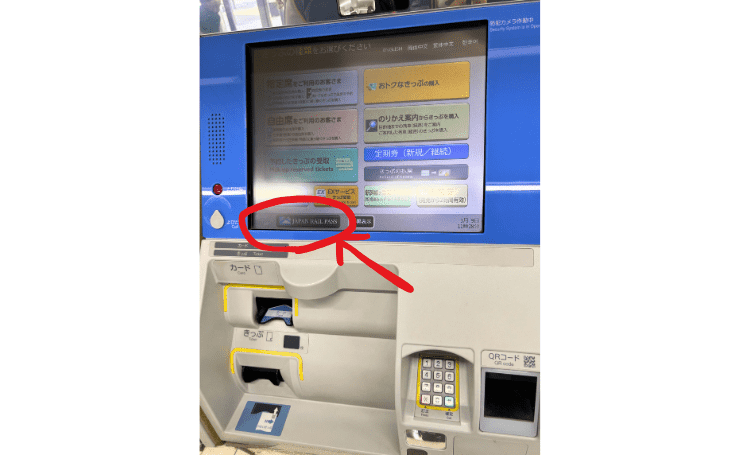
- ticket machines
- online (only if the pass was purchased through the official JR Pass website)
To make a reservation at a station, simply present your JR Pass.
If you use a reserved-seat ticket machine, you will scan the QR code on your JR Pass (or enter the pass ID) and enter your passport number to reserve and print your seat ticket.
However, if you purchased the JR Pass through the official reservation website, online seat reservations may also require your passport number for verification.
If you are traveling with others, you should have all JR Passes ready for the passengers you want to reserve seats for.
After you print a reserved-seat ticket, changes or cancellations are handled at a station ticket counter.
Important Notes (Quick checklist)
- Buy in advance (online or authorized agencies) and pick up/exchange in Japan.
- The pass is for JR services (plus limited exceptions like Tokyo Monorail).
- Nozomi/Mizuho are not covered by the standard nationwide JR Pass.
- Use a ticket-slot gate and don’t forget to take your pass after the gate.
FAQ
Can I buy the JR Pass at a JR station in Japan?
No. You purchase in advance and pick up/exchange in Japan.
Can I use the JR Pass on Tokyo Metro or Toei Subway?
No. The JR Pass is not valid on most subways/private railways.
Can I use the JR Pass from Haneda Airport?
Yes—Tokyo Monorail is covered by the JR Pass.
What do I need to pick up the JR Pass?
Your passport (Temporary Visitor status) and your reservation number.
Do I need a passport number for seat reservations?
When using reserved-seat ticket machines, you need to enter your passport number.