
- Kintsugi | A Tradition Tracing Back to the Jomon Period
- The Essential Role of Urushi Lacquer
- Traditional vs. Modern Kintsugi
- Kintsugi Experience Workshops in Tokyo (2.5-3 hours)
- No Pottery? No Problem!
- Tea & Wagashi to Conclude the Experience
- Final Thoughts: Sustainable Beauty in Everyday Life
- Utsuwa Omusubi HANARE – Basic Information
“Kintsugi,” how fashionable and sustainable!
“Kintsugi experience” is recommended if you want to repair your favorite vessels.
When your favorite cup or plate breaks, it can feel heartbreaking.
But in Japan, there’s a way to make that piece “even more beautiful” than before.
That is the traditional Japanese repair technique known as Kintsugi (金継ぎ).
Today, it has become increasingly popular worldwide, with many people saying, “I want to try it!”
Kintsugi | A Tradition Tracing Back to the Jomon Period
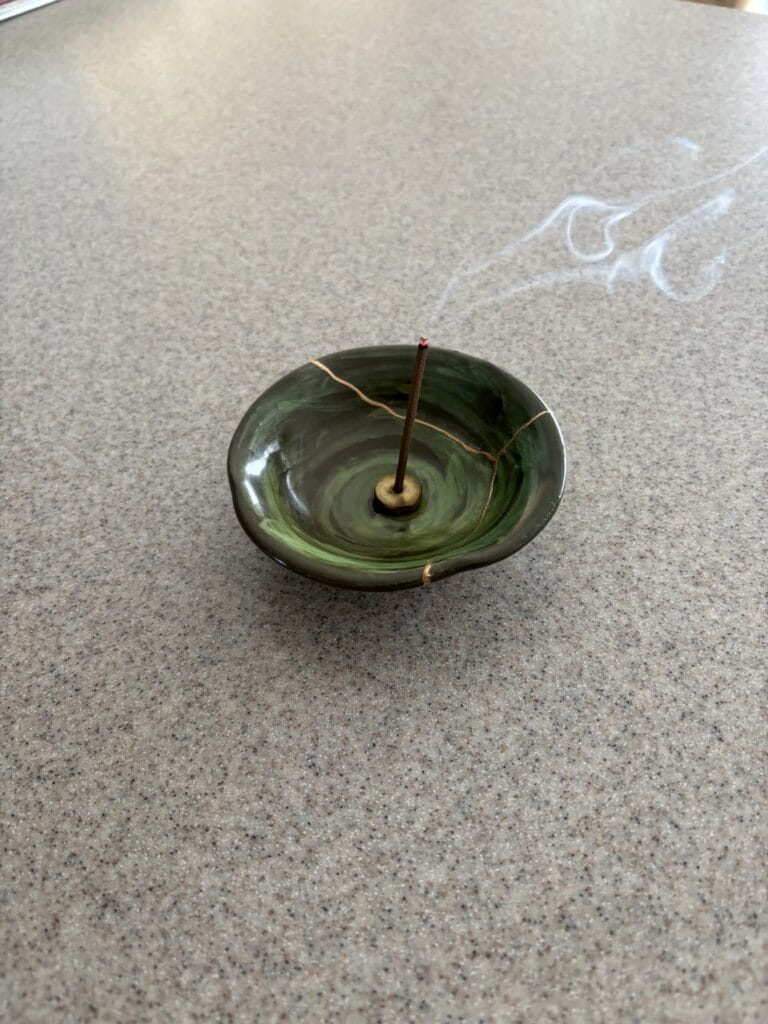
The history of Kintsugi pottery repair is surprisingly ancient.
Archaeologists have found traces of similar repair methods on pottery from the Jomon period, dating back about 1,650–2,300 years ago.
The philosophy of not throwing away broken items but repairing and reusing them reflects Japan’s deep-rooted “mottainai” spirit – the idea of cherishing resources and giving them new life.
The Essential Role of Urushi Lacquer
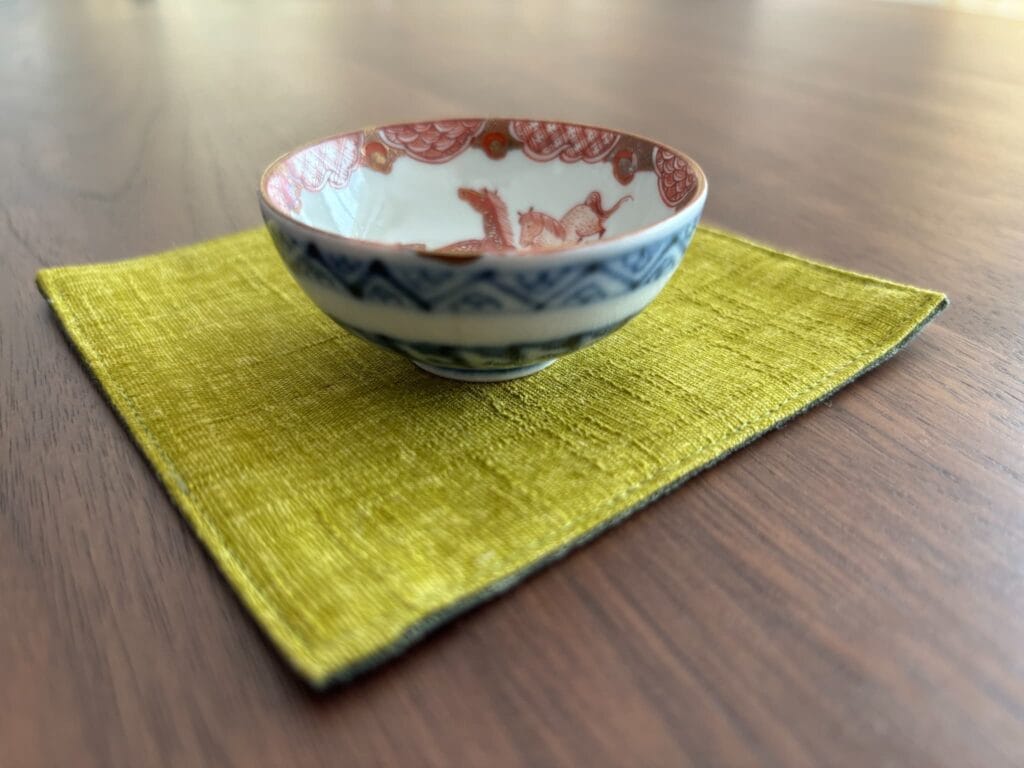
Kintsugi relies on urushi (Japanese lacquer) – a natural sap harvested from lacquer trees.
It is not only a strong adhesive but also waterproof, antibacterial, and long-lasting.
From everyday bowls and trays to Buddhist statues and temple interiors, urushi has supported Japanese craftsmanship for centuries.
In Kintsugi, urushi is used to rejoin broken pieces, and the seams are reinforced and decorated with powdered gold or silver.
The golden lines create striking contrasts, giving the vessel a completely new character.
There is also the “Tomotsugi” technique, where lacquer in similar colors is used to create a subtle finish – sometimes even adding stylish gradations for a modern look.
Either way, one thing is certain:
A Kintsugi-repaired vessel often becomes more beautiful than it was before breaking.
Traditional vs. Modern Kintsugi

Authentic Kintsugi with natural urushi is quite demanding.
It requires temperatures above 25°C (77°F), humidity over 70%, and more than three weeks of curing time.
That’s why regions like Wajima, Yamanaka, and Aizu, known for their lacquerware, became centers of production – the natural environment suited the process perfectly.
However, not everyone has the time to wait.
This led to the rise of Modern Kintsugi.
It uses synthetic lacquers (sometimes colored with natural materials such as hazelnut shells), replaces gold and silver with brass or aluminum powders, and shortens drying times while still achieving beautiful results.
Kintsugi Experience Workshops in Tokyo (2.5-3 hours)
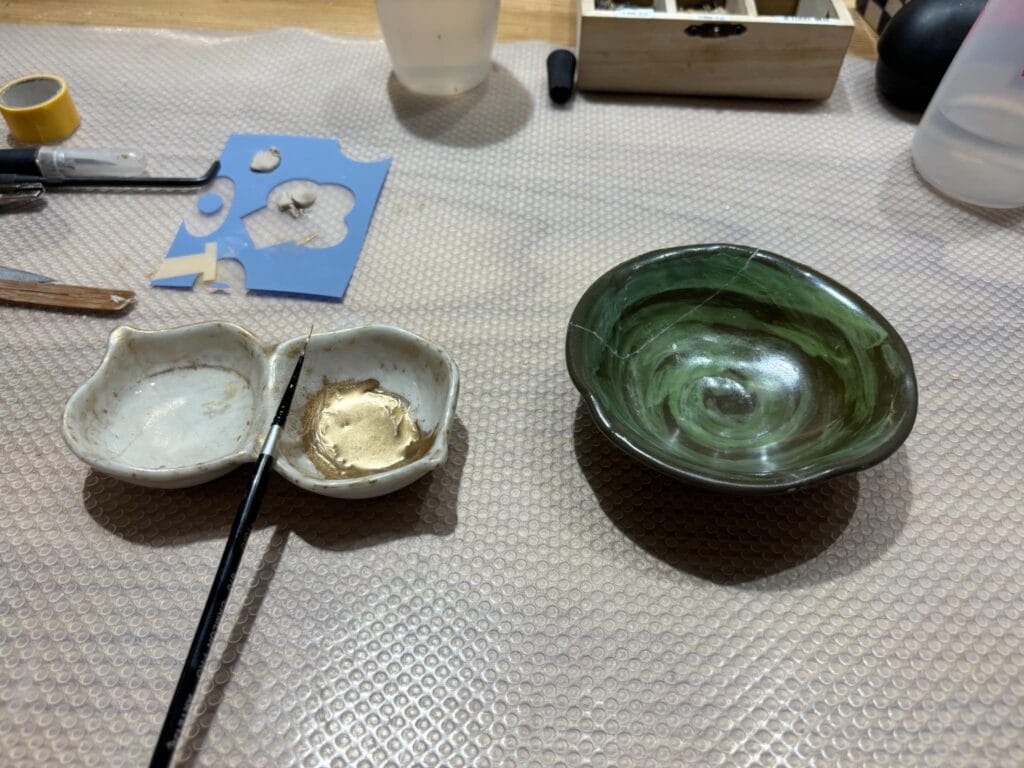
Today, you can even join Kintsugi workshops in Tokyo that last just 2.5–3 hours.
Professional Kintsugi masters guide you step by step, making it accessible even for beginners.
When I joined, there were four participants with one teacher and an assistant. Each person received close support, and even mistakes were carefully fixed on the spot.
Basic Kintsugi Workshop Process:
- Smooth the broken edges with a metal file
- Polish further with sandpaper
- Apply lacquer on both sides and bond pieces together
- Finish the seams with lacquer mixed with gold or silver powder
No Pottery? No Problem!
Ideally, you bring your own cherished item to repair.
But don’t worry if you don’t have one – workshops provide broken ceramics you can purchase and use for the lesson.
Tea & Wagashi to Conclude the Experience
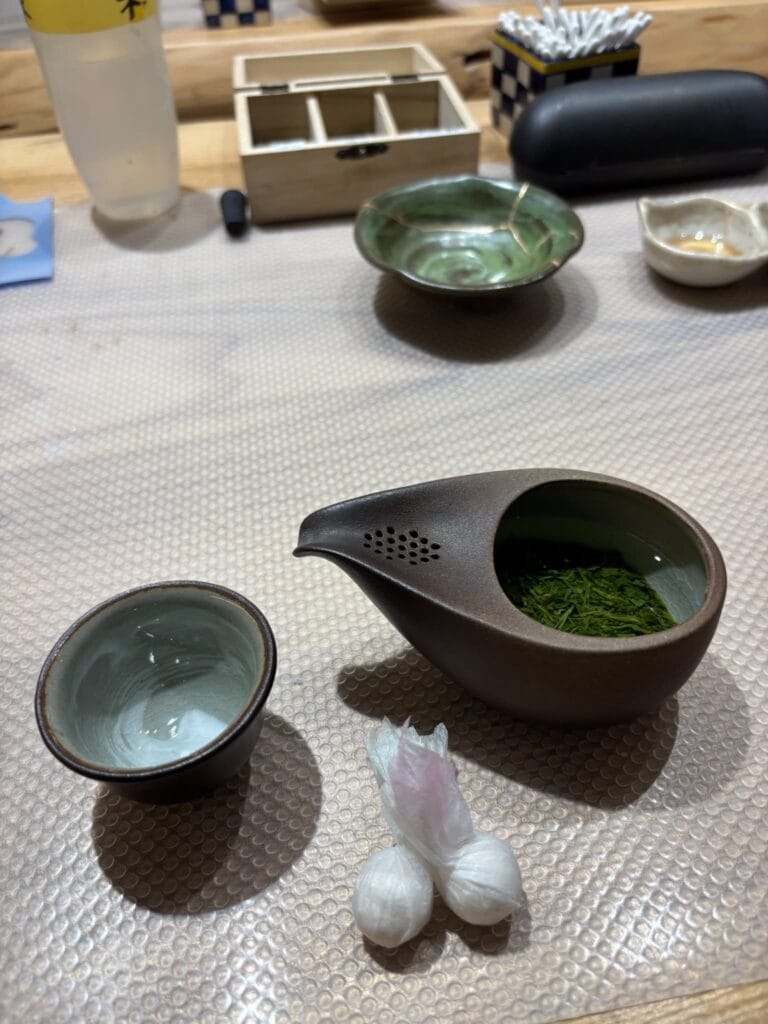
At the end of the class, participants enjoy Japanese green tea and traditional Japanese sweets (Wagashi).
You can also purchase a Kintsugi repair kit to continue practicing at home.
So, the next time something breaks with a dramatic “crash!”, you’ll be ready to transform it into an original art piece.

Final Thoughts: Sustainable Beauty in Everyday Life
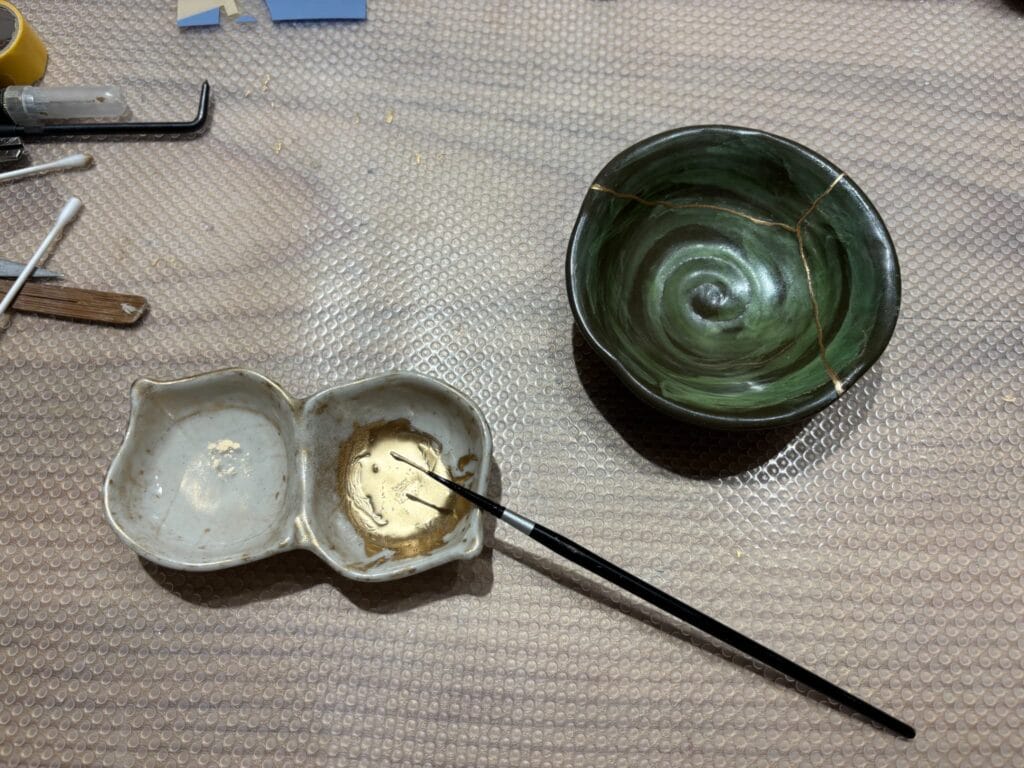
Kintsugi is not about discarding broken pottery – it’s about breathing new life into it and allowing it to shine once again.
As one of Japan’s most sustainable cultural traditions, it transforms damage into design, imperfection into elegance.
If you have a chipped or cracked piece at home, why not try Kintsugi repair yourself?
It’s more than just mending pottery – it’s creating art that tells a story.

Utsuwa Omusubi HANARE – Basic Information
| Item | Details |
|---|---|
| Name | Utsuwa Goyou HANARE |
| Location | Minami-Aoyama Mansion #205, 6-12-12 Minami-Aoyama, Minato-ku, Tokyo |
| Access | About 5 min walk from Omotesando Station (Tokyo Metro) |
| Business Hours | By reservation only (regular business hours not published) |
| Regular closing day | No fixed closing days (reservation required) |
| Admission fee | Kintsugi Workshop: ¥8,800 per person max 6 participants) |
| Approximate time required | Approximately 2.5 hours |
| Official Site | https://utsuwa-omusubi.com |
| Notes | Utsuwa Omusubi HANARE is a fully reservation-only space attached to the Utsuwa Omusubi art gallery. The Kintsugi workshop is held here, offering not just pottery repair but also lectures and Japanese tea with sweets, allowing participants to deeply experience Japanese culture. |