Washi is Japan’s traditional handmade paper, known for its durability and unique texture. Learn its features, history, differences from Western paper, and cultural uses.
- What Is Washi?|A Traveler’s Guide to Japan’s Traditional Paper
- Unique Features of Washi|Light, Strong, and Full of Character
- Washi vs. Western Paper|Different Materials, Different Worlds
- Types of Washi|Regional Traditions Across Japan
- Uses of Washi|From Everyday Life to World-Class Art
- How Washi Is Made|Craftsmanship and Its Challenges
- Washi Trivia|From Ukiyo-e to the Louvre
- Discover the Charm of Washi on Your Journey
What Is Washi?|A Traveler’s Guide to Japan’s Traditional Paper
Washi is the collective term for traditional Japanese paper, made for centuries using natural plant fibers such as kōzo (mulberry), mitsumata, and gampi. Craftsmen mix the fibers with water and a plant-based mucilage called neri, then carefully hand-scoop each sheet one by one.
The history of washi dates back over 1,300 years—records from the 7th century already mention papermaking. In 2014, three traditional papermaking techniques—Sekishu-banshi (Shimane), Hon-minoshi (Gifu), and Hosokawa-shi (Saitama)—were inscribed on UNESCO’s Intangible Cultural Heritage list. Today, washi is celebrated not only as a craft but also as a symbol of Japanese culture recognized worldwide.
Unique Features of Washi|Light, Strong, and Full of Character

What makes washi so special?
The key features of washi are its surprising strength and lightness. Long plant fibers are interwoven, making it thin yet tough—ancient scrolls and documents have survived for over a thousand years thanks to washi’s durability.
It also has excellent breathability and moisture control, perfect for Japan’s humid climate. Washi sheets softly filter light, which is why they are traditionally used in shoji screens and lanterns.
Handmade washi has another unique charm: each sheet is slightly different. Variations in thickness or fiber placement give every sheet its own personality, making it truly one-of-a-kind.
Washi vs. Western Paper|Different Materials, Different Worlds

Can you tell the difference between Western paper and Washi?
- Western paper: made by grinding wood pulp, processed chemically, and mass-produced by machines. The result is uniform and practical.
- Washi: made from long plant fibers, combined with neri, and scooped sheet by sheet by hand. The natural interweaving creates strength and distinctive texture.
As a result, washi has a natural strength, translucency, and distinctive feel. While machine-made washi exists today, true handmade washi carries unique textures that embody centuries of tradition.
Types of Washi|Regional Traditions Across Japan
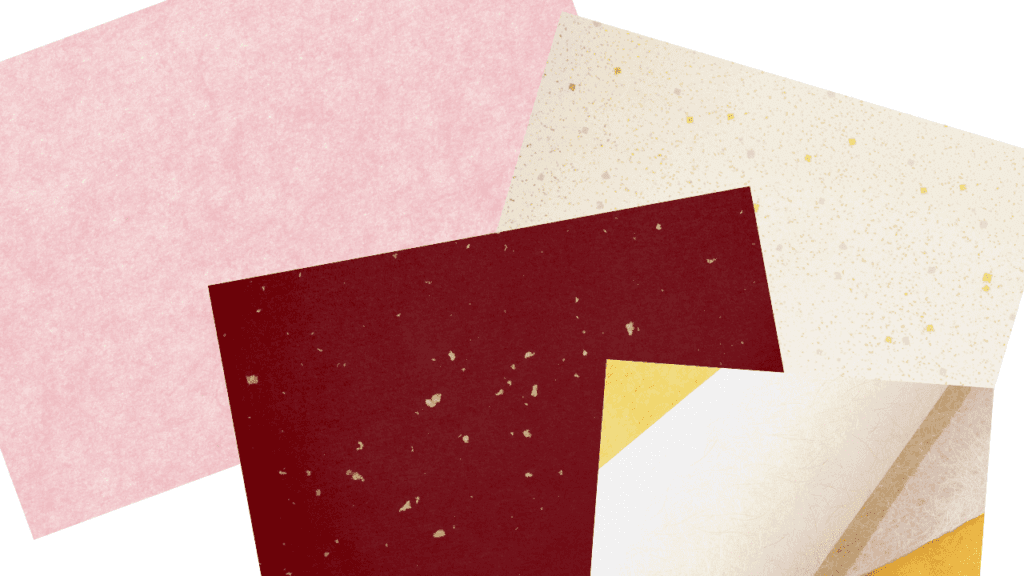
There are said to be hundreds of types of washi across Japan, each shaped by local water quality, raw materials, and papermaking traditions. Famous examples include Mino washi (Gifu), Echizen washi (Fukui), and Tosa washi (Kochi), often called Japan’s “Three Great Washi.”
Thus, exploring different regional washi is a great way to discover local culture while traveling.
Uses of Washi|From Everyday Life to World-Class Art
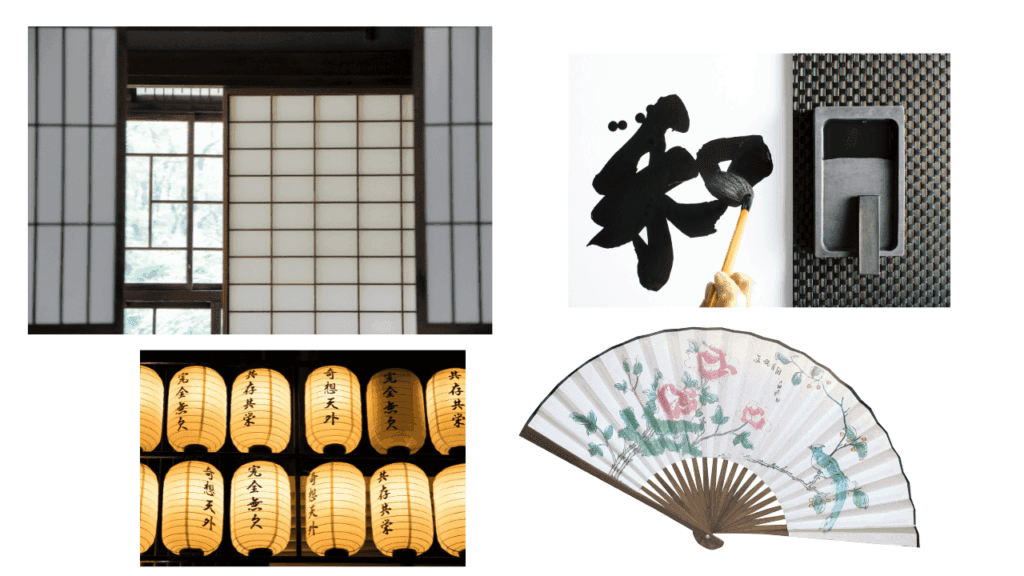
For centuries, washi has been deeply woven into Japanese life:
- Architecture & lighting: shoji screens, fusuma sliding doors, lanterns, and andon lamps.
- Daily life & decorations: fans, umbrellas, origami, festival ornaments, and ritual paper used at shrines.
- Art & writing: calligraphy paper, ukiyo-e print paper, painting paper, scrolls, and poetry cards.
- Preservation & restoration: museums and libraries worldwide use washi to restore valuable books and artworks.
Even today, washi continues to evolve, appearing in modern design and interior decoration.
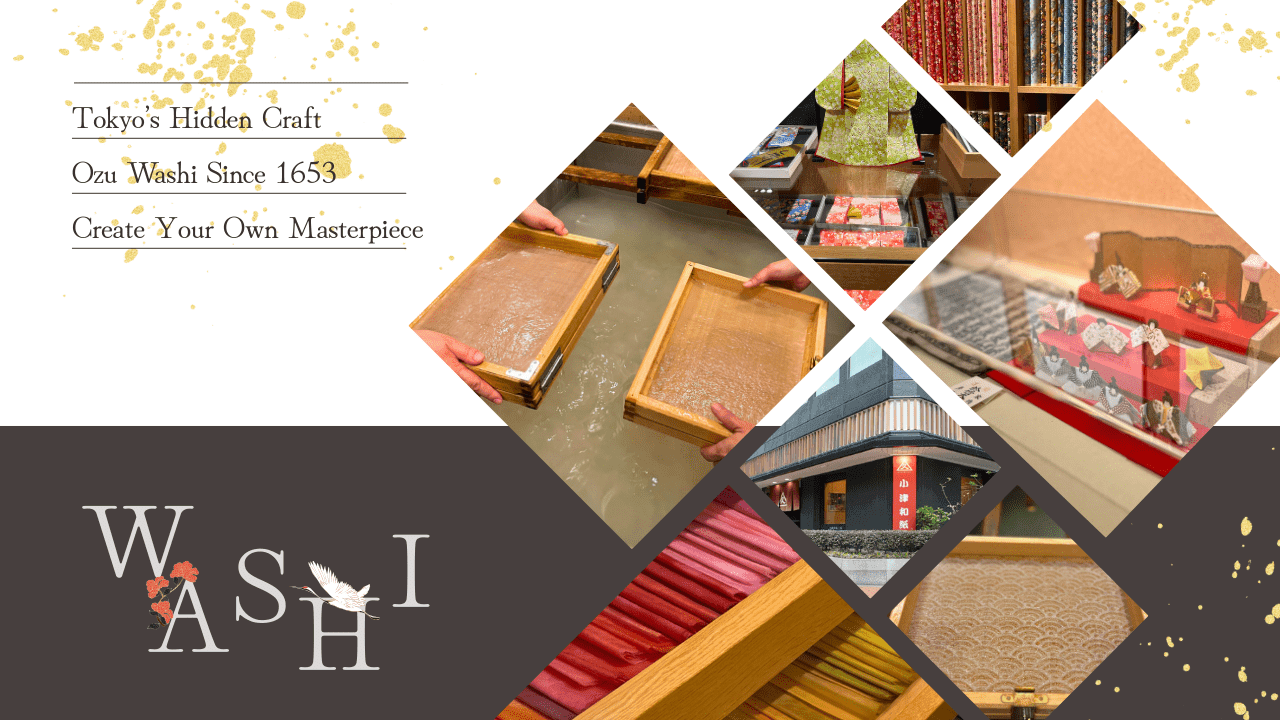
👉 If you want to experience washi firsthand, visit Ozu Washi in Nihonbashi, Tokyo. Here, you can learn the history of papermaking and even try making your own sheet. It’s a memorable experience that combines history, craftsmanship, and creativity.
How Washi Is Made|Craftsmanship and Its Challenges
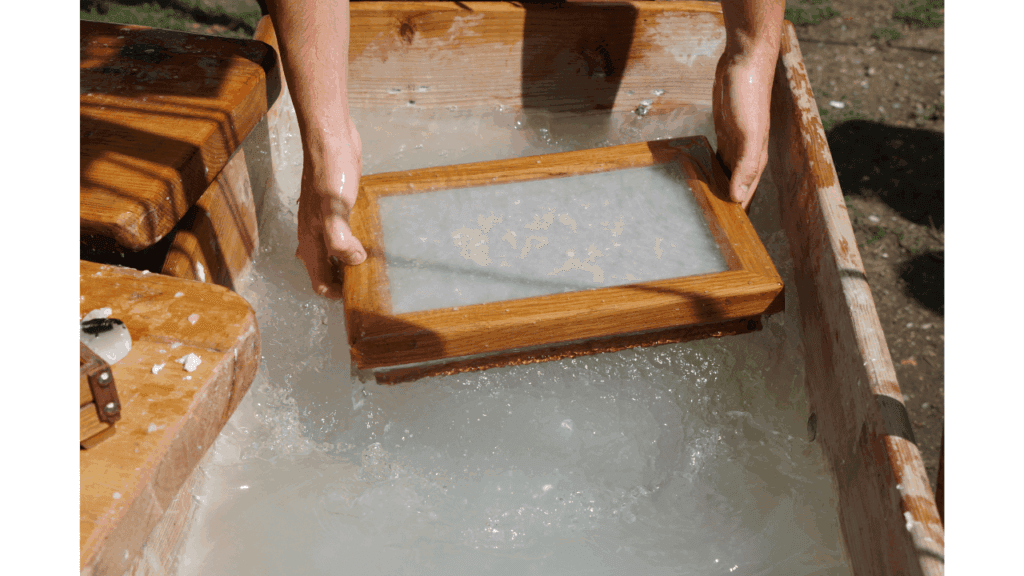
Creating washi involves many labor-intensive steps: harvesting plants, steaming, peeling, boiling, removing impurities, loosening fibers, scooping pulp, pressing, drying, and inspecting. Each step demands skill and patience.
Because of this complexity, the number of artisans is decreasing, and the shortage of successors has become a serious issue. UNESCO’s recognition also serves as a call to preserve and pass on these traditions to future generations.
Washi Trivia|From Ukiyo-e to the Louvre

- Ukiyo-e and washi: Edo-period woodblock prints were printed on washi, enhancing their vivid colors.
- Restoration worldwide: museums like the Louvre and the British Museum use washi for conservation.
- Seasonal designs: cherry blossoms, maple leaves, and snow patterns are often reflected in washi designs.
- Shinto rituals: sacred paper decorations and New Year ornaments are made from washi.
- Modern design: Isamu Noguchi’s Akari lamps made washi an icon of global design.
Discover the Charm of Washi on Your Journey
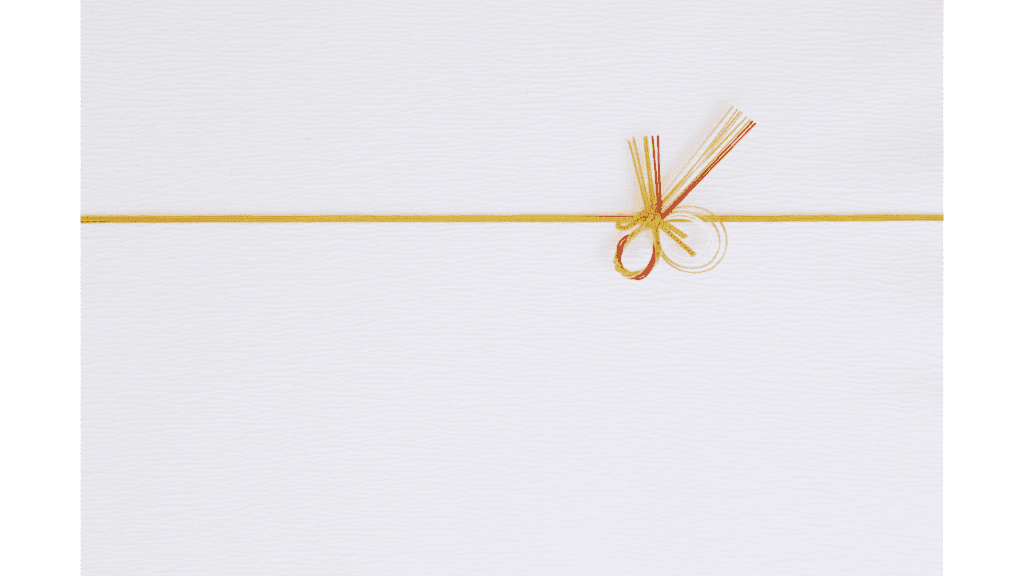
Washi combines natural materials and artisan skill to create a paper unlike any other. Its durability, breathability, and unique character have supported Japanese life for centuries and continue to inspire modern design.
By learning about the features of washi, you can better appreciate the depth of Japanese culture. On your next trip to Japan, try to see and touch washi in person—it’s an experience that connects you to history and tradition.