Japan is becoming more accessible than ever. With growing awareness of inclusive design, barrier-free infrastructure, and accessible tourism, travelers with mobility, visual, or hearing challenges can now explore the country with greater confidence and comfort.
From wheelchair-friendly attractions in Tokyo to organizations offering on-site assistance, this guide introduces the latest initiatives, practical travel tips, and trusted resources to help everyone enjoy Japan safely and freely.
What is Accessible Tourism?

Accessible tourism means creating an environment where everyone—including seniors, people with disabilities, and families with small children—can enjoy travel equally.The UN World Tourism Organization (UNWTO) defines it as enabling people with diverse access needs to participate in tourism “on an equal basis with others.”In Japan, this concept is often referred to as “barrier-free tourism” or “universal tourism.”
While progress is ongoing, major cities such as Tokyo, Kyoto, and Sapporo are steadily improving their transportation systems, hotels, and sightseeing facilities to meet global standards.
The Current Situation in Japan
Transportation Access
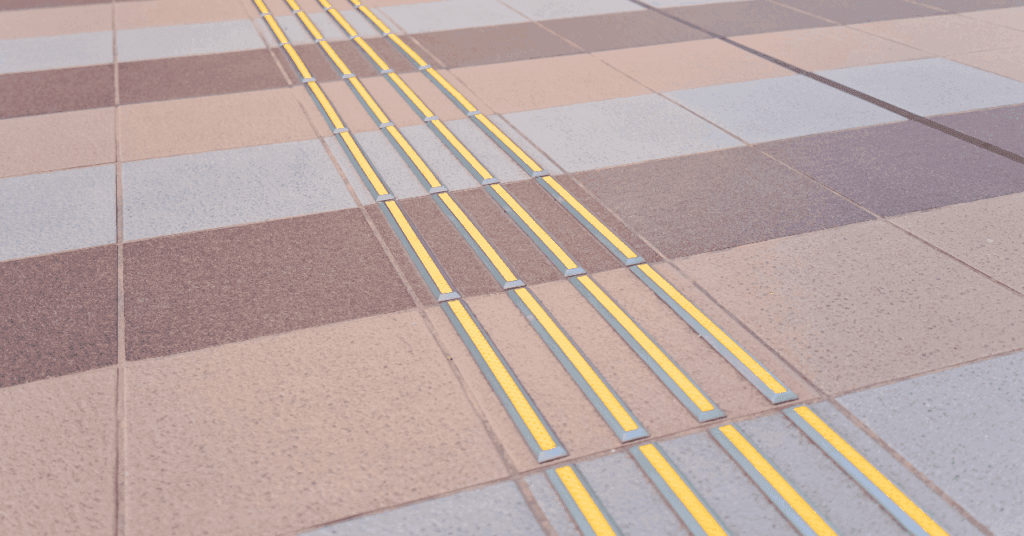
Railway networks like JR East and Tokyo Metro have expanded elevator access, tactile paving, and platform doors across most stations.
However, interchanges between lines and smaller regional routes can still pose challenges.
Language accessibility is improving, but clear English signage and reservation assistance remain key to stress-free travel.

Barrier-Free Accommodation
According to Japan’s Ministry of Land, Infrastructure, Transport and Tourism, only about 30% of hotels offer accessible rooms(2017).
That said, Tokyo is leading the way. The Barrier-Free Hotel Guide by the Tokyo Metropolitan Government lists accessible hotels in English—featuring step-free entries, wide doorways, and accessible bathrooms.
It’s an essential tool when planning your stay in the capital.
Accessible Travel in Tokyo — Best Practices
In recent years, Tokyo has become increasingly welcoming to travelers of all abilities.
Many spots that were once difficult to visit due to steps or narrow passages now feature ramps, elevators, and accessible restrooms, allowing wheelchair users to explore comfortably.
Beyond famous landmarks, more parks, museums, and shopping centers are being redesigned with accessibility in mind — making it easier for everyone to enjoy outings with family and friends.
Tokyo’s Leading Accessible Attractions
Tokyo offers a growing number of attractions that embrace barrier-free design.
For example, Senso-ji Temple, Tokyo Skytree, Tokyo Tower, Ueno Zoo, and the National Museum of Western Art have all improved accessibility through thoughtful renovations.
Newer facilities such as Sumida Aquarium and Koshigaya Laketown Shopping Mall also provide wide, step-free spaces ideal for visitors using wheelchairs or strollers.
Tokyo Universal Design Navi (UD Navi)
The official website Tokyo Universal Design Navi (UD Navi) highlights how public facilities, transport systems, and attractions across Tokyo are integrating universal design.
It’s a valuable reference for both travelers and locals seeking inclusive spaces in the city.
Support Services for Accessible Travelers
Japan Accessible Tourism Center (JATC)
The Japan Accessible Tourism Center (JATC) is a non-profit organization providing on-site assistance, equipment rentals, and trip coordination for travelers with disabilities.
Its services cover major destinations like Tokyo, Kyoto, and Okinawa—ideal for those seeking reliable local support.
Accessible Japan
Created by long-term residents, Accessible Japan is one of the most detailed English-language guides to accessibility in Japan.
It features honest reviews of hotels, attractions, and transportation, written from first-hand experience—an invaluable resource for repeat visitors planning their next trip.

Practical Resources for Planning
Search Barrier-Free Facilities
The Tokyo Metropolitan Government’s Daredemo Tokyo (“Accessible Tokyo”) website allows you to search for facilities that are friendly to wheelchair users and people with disabilities.
You can filter by entrance width, ramps, restrooms, and more—all with maps and photos.
Find Inspiration for Dining and Sightseeing
Tokyo also offers a Barrier-Free Restaurant Guide introducing eateries with easy access, spacious interiors, and staff trained in inclusive service.
Together with UD Navi and the hotel guide, these tools help you design a fully barrier-free stay.
Moving Toward Truly Inclusive Travel
Accessible tourism is not only about physical adjustments—it’s about creating travel experiences where everyone feels welcome.
From staff offering a helping hand to clear multilingual information online, small efforts make a big difference.
Japan is steadily building a future where travelers of all abilities can explore comfortably—from historic shrines to modern art museums.
With the right resources and understanding, your next trip to Japan can be both memorable and worry-free.
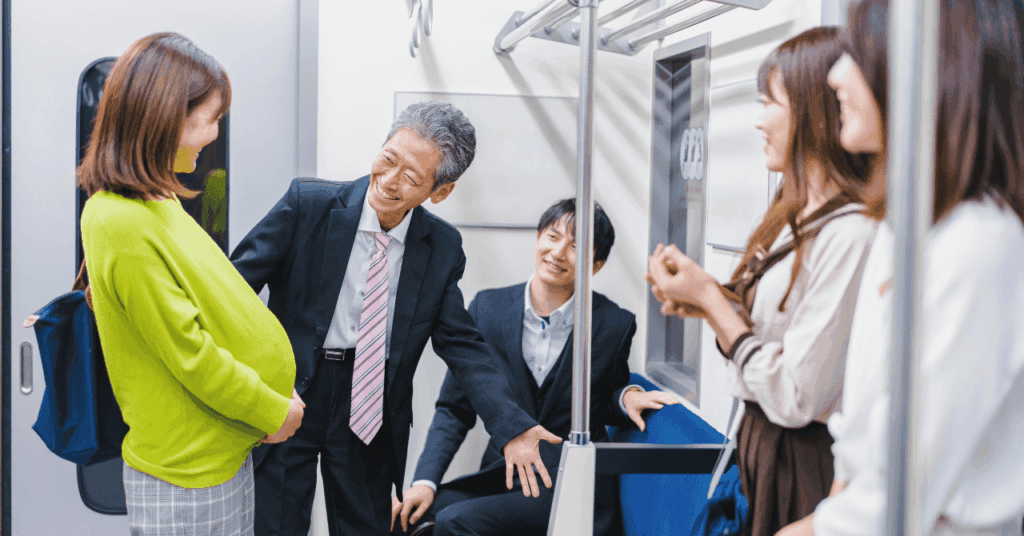
👉 Japan Travel Etiquette Guide|Essential Manners for Every Visitor
Practical etiquette and communication tips that help create a more inclusive travel experience.

Useful Links
| Category | Name | URL |
|---|---|---|
| Public Info | Tokyo Universal Design Navi (UD Navi) | Universal design practices in Tokyo |
| Facility Search | Daredemo Tokyo | Search for accessible facilities in Tokyo |
| Accommodation | Barrier-Free Hotel Guide by Tokyo Metropolitan Government | English list of accessible hotels |
| Support Org | Japan Accessible Tourism Center (JATC) | NPO offering travel assistance |
| Traveler Resource | Accessible Japan | English guide to accessible travel across Japan |