Types, Where You’ll Hear Them, Basic Tools, and How to Try a Session
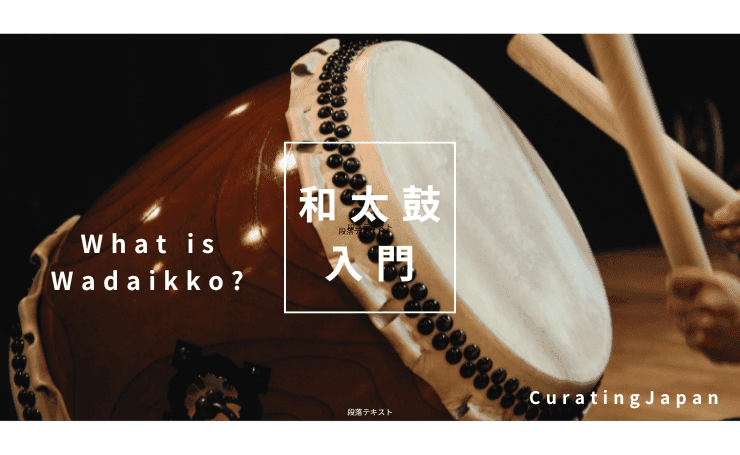
Wadaiko (和太鼓) is a general term for traditional Japanese drums.
It’s the sound of festivals, shrine ceremonies, and stage performances—an atmosphere-changer that can instantly raise the energy or sharpen the air.
The appeal isn’t only volume. It’s the vibration you feel in your chest, the breath and movement of the performers, and the moment when everyone’s rhythm locks in and becomes one pulse. It’s a sound you don’t just hear—you experience.
In this article, you’ll learn the basics in a simple flow: what wadaiko is, major drum types, basic tools and technique, where you can hear it, and gentle tips for trying it yourself.

What is Wadaiko?
Wadaiko refers to Japanese drums made with a wooden body and stretched skin, producing sound through vibration. Taiko have been used for a long time in many contexts—festivals, shrine and temple events, and the performing arts.
Today, there are also more opportunities to experience wadaiko through stage performances and shows.
Major Types of Wadaiko
Wadaiko comes in many forms, and the materials, size, and drum-body shape all affect the tone. Some of the most commonly referenced types include:
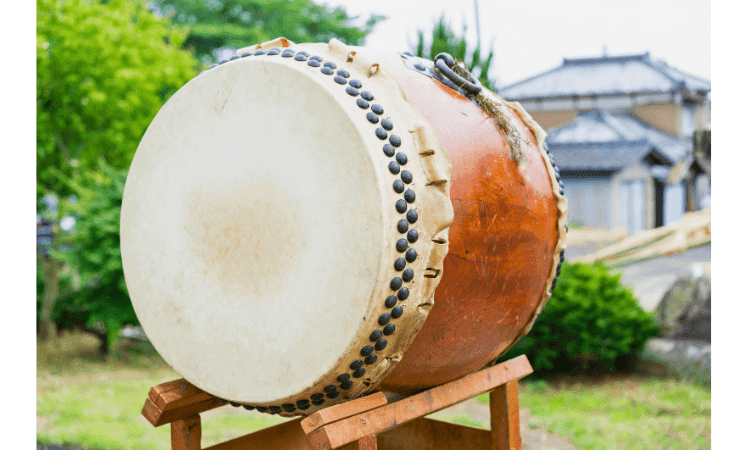
Nagadō-daiko / Miyadaiko
This is the classic “Japanese taiko” many people imagine—double-sided, powerful, and often seen at festivals or shrine events.
Shime-daiko
A smaller drum with tightly stretched skins that creates a crisp, cutting sound. You’ll hear it in festival music and on stage.

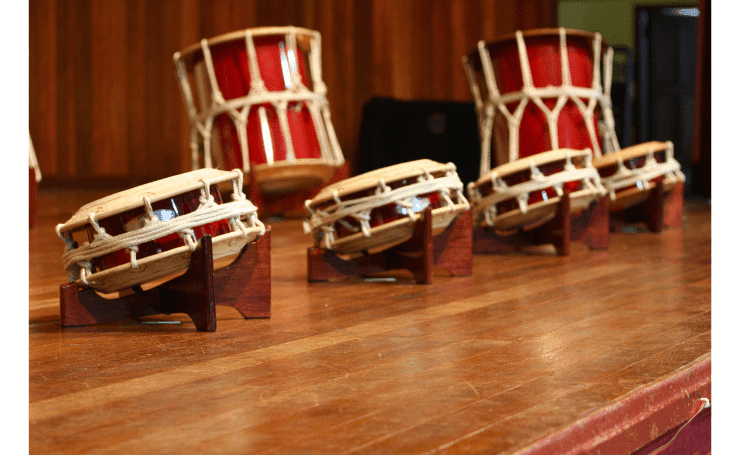
Okedō-daiko
A drum with a body constructed like a wooden bucket. Many styles are portable and versatile, with a wide range of performance use.
Tools and Basics
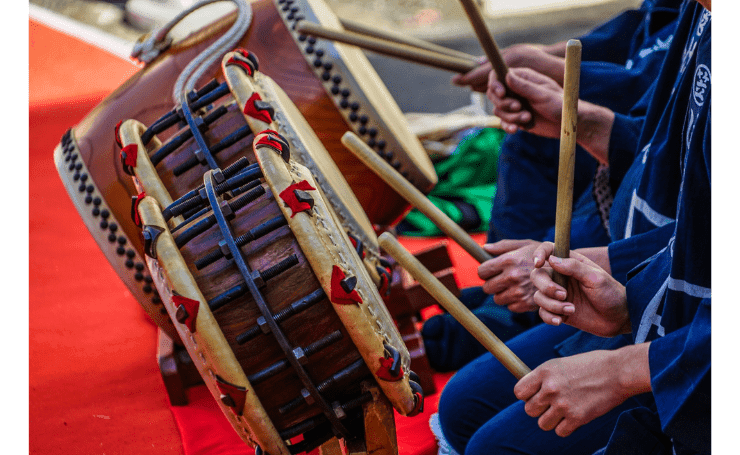
Bachi (drumsticks)
Wooden sticks used to strike the drum. Thickness and wood type can change the feel.
Skin + body (where tone is “made”)
Wadaiko is typically explained as a wooden body with stretched skins. Size and materials shape the sound.
Stance and striking
Taiko is as much about body use as it is about rhythm. Many sessions start with posture, arm swing, and how to hold a steady beat—once those click, the sound becomes much easier to produce.
Where can you hear Wadaiko? (5 places to look)
Wadaiko isn’t only something you find on a big stage—you can encounter it naturally while traveling. These five settings are the easiest “search map”:
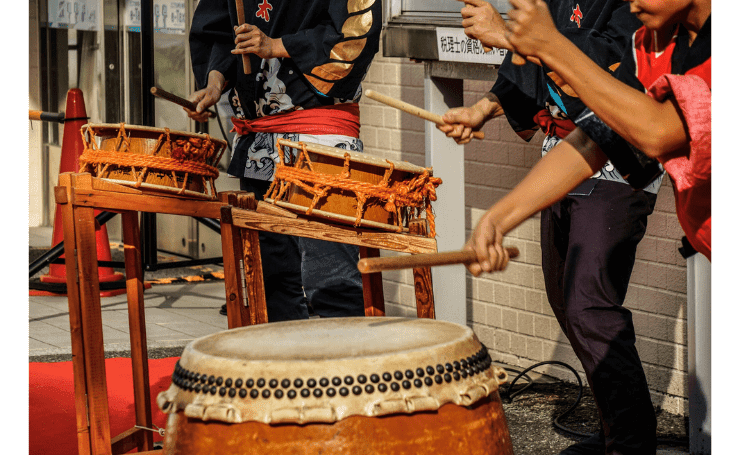
Festivals (parades, floats, mikoshi)
Festival taiko is the closest to the local heartbeat. It can act as a signal, a momentum builder, and a way to synchronize the crowd’s energy. Sometimes, simply following the rhythm leads you into the real atmosphere of a town.
Shrines and temples (dedications, ceremonies)
Taiko may be performed as an offering. Compared to festivals, the mood can be quieter—and the sound feels sharper, more focused. It’s less “sightseeing” and more “entering the space.”
Traditional performing arts (Noh, Kabuki, etc.)
On stage, taiko may not always be the “main event.” It can function like the breath of the performance—supporting tension, transitions, and timing. This is where you begin to notice ma (interval/space) and resonance.
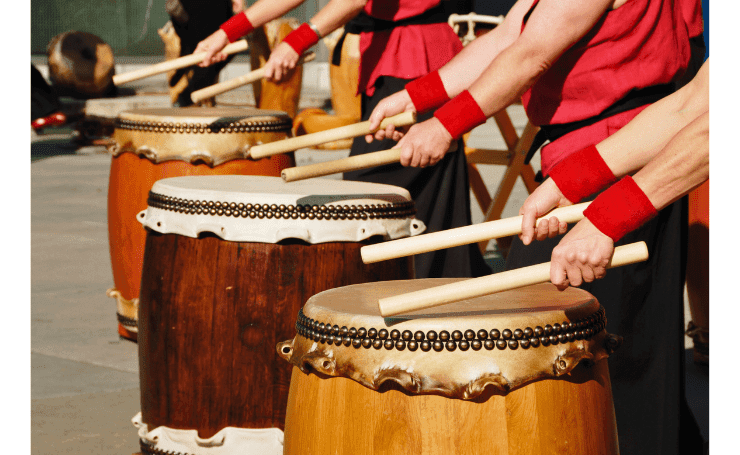
Kumi-daiko performances (stage-style taiko)
“Kumi-daiko” refers to performance styles that combine multiple drums. It’s a very approachable entry point: high impact, easy to enjoy even as a first-timer, and often scheduled as a show you can plan into your itinerary.
Workshops and hands-on experiences
Even a short session can teach bachi grip and a basic rhythm, then finish with a simple ensemble piece. Feeling the vibration yourself makes taiko instantly more three-dimensional.
How to try Wadaiko
As mentioned above, taiko is enjoyable just to listen to—but playing once changes how you understand it.
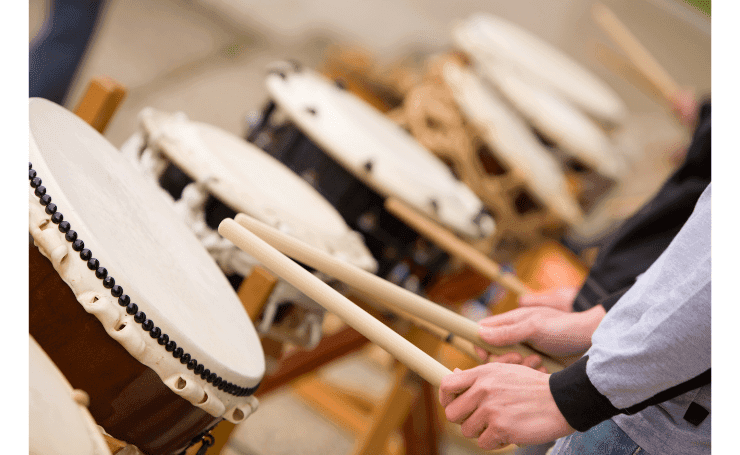
A typical beginner-friendly flow:
- brief explanation → how to hold bachi → basic rhythm → simple ensemble
- sometimes a photo moment at the end
Helpful selection tips:
- Duration: 60–90 minutes is easy to fit in
- Format: sessions with short explanations feel more satisfying
- Clothing: comfortable, easy-to-move in; shoes that won’t slip (follow venue rules)

Feel the powerful rhythms of taiko up close in a hands-on workshop. You’ll learn the basics step by step, so it’s beginner-friendly—and a fun way to add a bold “Japan moment” to your trip.
View details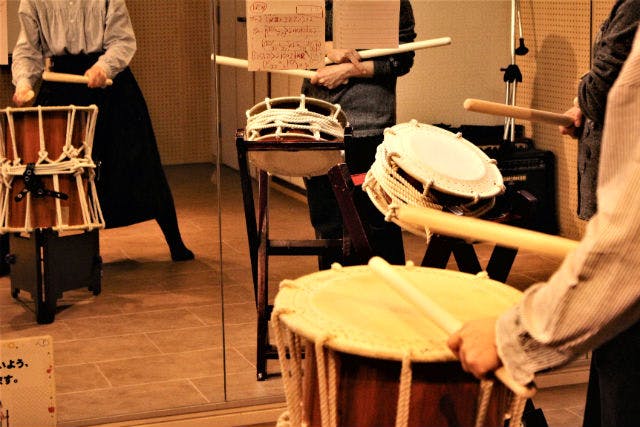
Try taiko in the heart of Tokyo—an energetic, easy-to-join session where you learn simple rhythms and techniques. It’s perfect if you want a quick, memorable cultural experience during your stay in Shinjuku.
View detailsFor more cultural experiences like this, see our “Top 10 Cultural Experiences in Japan (Workshop Edition)”
Summary: Wadaiko is a sound you feel before you understand
Wadaiko appears across Japan—in festivals, ritual settings, traditional arts, and modern stage performances.
Even learning the basics—types and where it’s used—can raise your “sound resolution” while traveling.
And because taiko is a physical sound (vibration included), trying it once—when the opportunity fits—can be the clearest way to understand what makes it so memorable.