When it comes to traditional Japanese bento boxes, Shokado Bento and Makunouchi Bento are two of the most iconic styles. Both represent the beauty and balance of Japanese cuisine—but do you know what makes them different?
Many people think of Shokado Bento as a more elegant version, while Makunouchi Bento is often associated with everyday meals or train station bentos (ekiben). But in truth, they have completely different origins and styles.
- What is Shokado Bento?|Elegance in a Lacquered Box
- The Origins of Shokado and Its Kyoto Roots
- What Defines Makunouchi Bento? – The Theater Connection
- From Stage Intermissions to Train Travel – Evolution of Makunouchi
- Evolution into the Standard Bento
- Shokado vs Makunouchi – Two Traditions of Japanese Bento
- Where to Try Shokado Bento in Kyoto
- Access
What is Shokado Bento?|Elegance in a Lacquered Box

Shokado Bento is a refined, traditional Japanese lunch box served in a beautiful black-lacquered box with a lid. Inside, the box is divided by a cross-shaped divider into four compartments—each holding delicately prepared dishes like grilled fish, simmered vegetables, sashimi, and rice.
It’s like a mini kaiseki meal, offering a variety of tastes in small, beautifully presented portions.
The Origins of Shokado and Its Kyoto Roots

The name “Shokado” comes from Shokado Shojo (1584–1639), a cultured monk of the early Edo period (early 1600s). A talented calligrapher, painter, and tea master, he was associated with the Iwashimizu Hachimangu Shrine near Kyoto and was a friend of the famous artist Honami Koetsu. Inspired by a seed box used by local farmers, he created a cross-divided box for holding tools, ink, and tobacco. This design eventually became the model for the Shokado Bento.
In the Showa era (1926–1989), Teiichi Yuki, founder of the famed restaurant Kitcho, saw one of these boxes and envisioned using it to present refined bento meals. Incorporating the spirit of kaiseki cuisine, he created the modern Shokado Bento.
Today, you can enjoy an authentic Shokado Bento at the Shokado Garden and Art Museum in Kyoto—located on the former site of Shokado Shojo’s retreat (This restaurant is by reservation only.)
What Defines Makunouchi Bento? – The Theater Connection
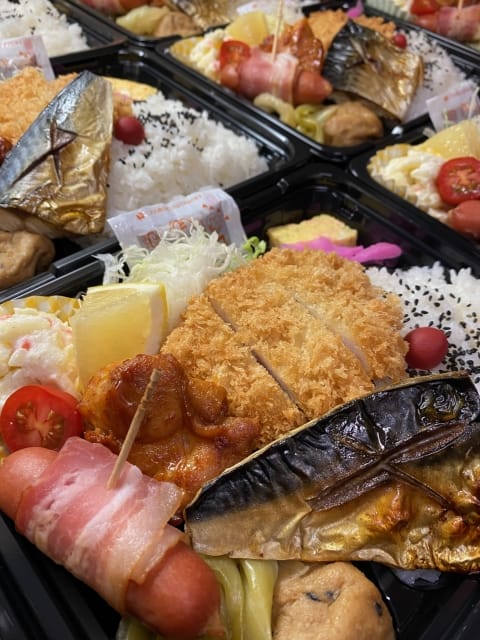
If you’ve ever bought a bento at a train station or convenience store in Japan, it could be a Makunouchi Bento. This style typically features white rice accompanied by a variety of small side dishes, such as grilled fish, tamagoyaki (rolled omelet), and simmered vegetables.
Makunouchi Bento has a longer history than Shokado Bento, dating back to the Edo period.
From Stage Intermissions to Train Travel – Evolution of Makunouchi
“Makunouchi” literally means “between the curtains,” referring to the intermission (makuai) during Kabuki or Noh theater performances. These bentos were created as quick, convenient meals to enjoy during such breaks.
Some historians trace its roots even further back to honzen ryori, a formal style of multi-course meals served in samurai households. The main tray, or “shuzenn,” featured rice, a main dish, side dishes, and pickles—much like today’s Makunouchi Bento.
Evolution into the Standard Bento
By the Meiji and Taisho periods(the late 1800s to early 1900s), Makunouchi Bento became a popular choice for train travel, leading to its current status as the standard Japanese bento. You’ll now find it everywhere—from supermarkets to department stores across Japan.
Shokado vs Makunouchi – Two Traditions of Japanese Bento
If Shokado Bento represents the elegant side of Japanese cuisine, Makunouchi Bento is the everyday classic. Though their origins are different, both styles are rich in cultural significance and showcase the Japanese appreciation for variety, seasonality, and balance.
If you’re visiting Kyoto, don’t miss the chance to enjoy a traditional Shokado Bento at the historical Shokado Garden and Art Museum.
Where to Try Shokado Bento in Kyoto
| Item | Contents |
|---|---|
| Name in Japanese | 松花堂庭園・美術館(Shokado teien・bijutsukan) |
| Name | Shokado Garden and Art Museum |
| Category | Cultural Site, Garden, Museum |
| Location | 43-1 Yawata-Ominaeshi, Yawata-shi, Kyoto 614-8077 |
| Access | From Keihan “Iwashimizu Hachimangu Station”, take a local bus to “Oshiba / Shokado-mae” stop |
| Business Hours | 9:00-17:00 |
| Regular closing day | Monday Closed |
| Admission fee | Admission to the garden: 300 yen for adults Admission to the museum: 400 yen for adults |
| Official Site | https://shokado-garden-art-museum.jp/eng/ |
| Phone number | 075-981-0010 |
| Remarks | The restaurant operates by reservation only, and bookings must be made at least two days in advance. For details, please visit the website. |
Access
Please check the official website for the latest information.
Want to explore Kyoto more? Check our contents!


If you are short on time in Kansai, joining a day trip bus tour is a convenient way to visit Kyoto, Osaka, and Nara in one day.
View Kyoto, Osaka & Nara Day Trip Bus Tour →