For Repeat Visitors: Watch, Soak, and Enjoy the Quiet Side of Japan
You’ve already checked off the famous sights.
For your next trip, try adding more ways to spend time—not just places to see. It changes the density of the journey.
This page introduces 10 cultural experiences that are a little different from hands-on workshops and craft classes. Think: watching, soaking, quiet time, tasting, observing everyday life, and even riding local transport.
To make planning easier, I’ve also added simple booking/search hints and links.
*This article contains affiliate links.
- How to Choose (If You’re Not Sure, Start Here)
- Best 10 Cultural Experiences (Non-Workshop Edition)
- 1) Traditional Performing Arts (Kabuki / Noh / Bunraku)
- 2) Sumo (Tournament / Morning Stable Visit)
- 3) Smaller Museums
- 4) Sento & Onsen
- 5) Shakyo & Zazen
- 6) Japanese Gardens (with Matcha)
- 7) Sake Tasting
- 8) Fruit Picking (Seasonal Harvest)
- 9) Shotengai & Markets
- 10) Local Trains & Buses (Day Pass “Hop On / Hop Off”)
- Choose by Mood (If You’re Not Sure)
- Wrap-Up
How to Choose (If You’re Not Sure, Start Here)
- Time: 60–120 minutes is easiest to fit in (half-day+ becomes a “main plan”).
- Crowds: Big-name experiences feel better on weekdays, mornings, or with reservations.
- Guidance: If it’s your first time, options with brief explanations tend to be more satisfying.
Best 10 Cultural Experiences (Non-Workshop Edition)
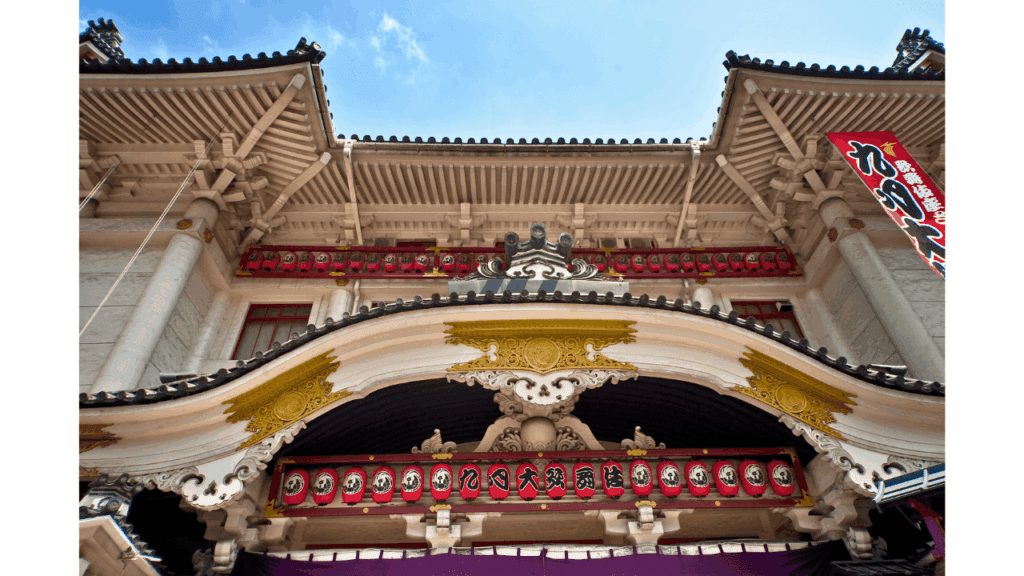
1) Traditional Performing Arts (Kabuki / Noh / Bunraku)
A little context makes it instantly more enjoyable
Traditional performances can look “difficult” at first—but once you know a few key points, the experience opens up. Many theaters also offer daytime shows, so it’s easy to fit into your itinerary.
- For you if: enjoy history/culture, or you like museums
- Time needed: ~90–180 min
- Tip: choose shorter programs, shows with simple explanations, and seats with a good view
What to book / check:
- Official sites also list programs (schedules vary by season).
To know the basics, please check Traditional Performing Arts in Japan: What to Know Before You Go(Coming soon)
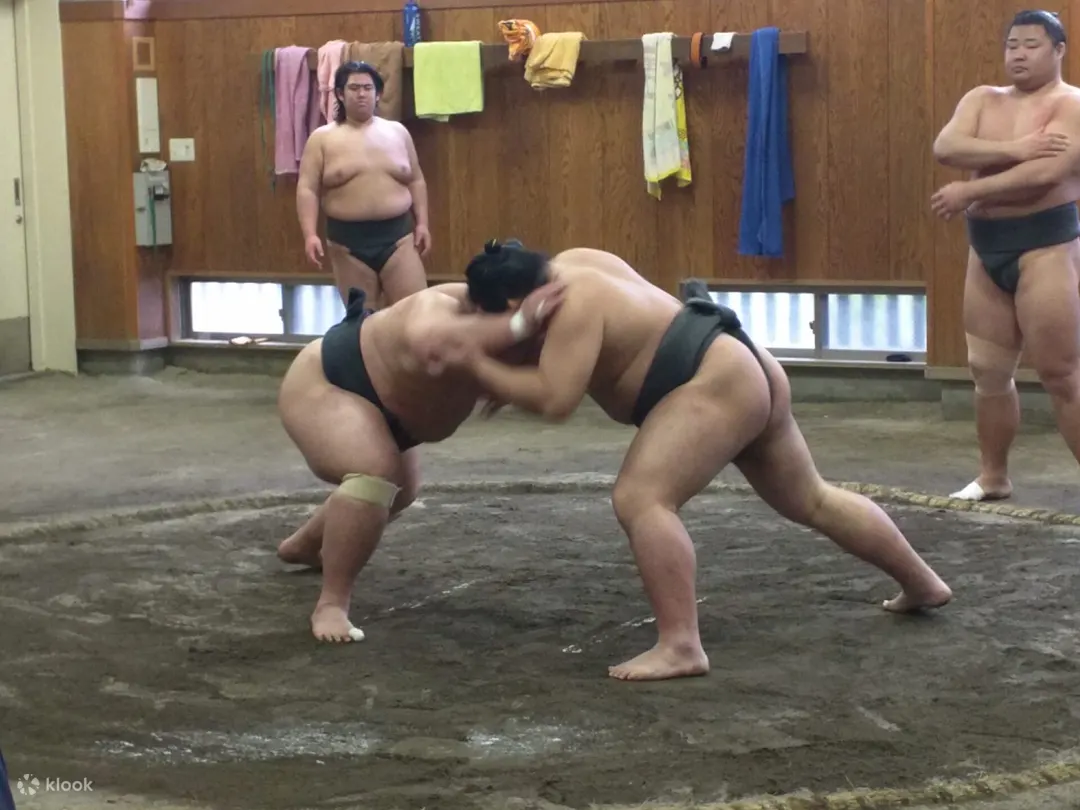
2) Sumo (Tournament / Morning Stable Visit)
Feel an atmosphere you can only find in Japan
As Japan’s national sport, sumo is more than competition—it’s also ritual and tradition. Even if it’s your first time, it’s surprisingly accessible. Morning stable visits are especially memorable because you can feel the intensity up close.
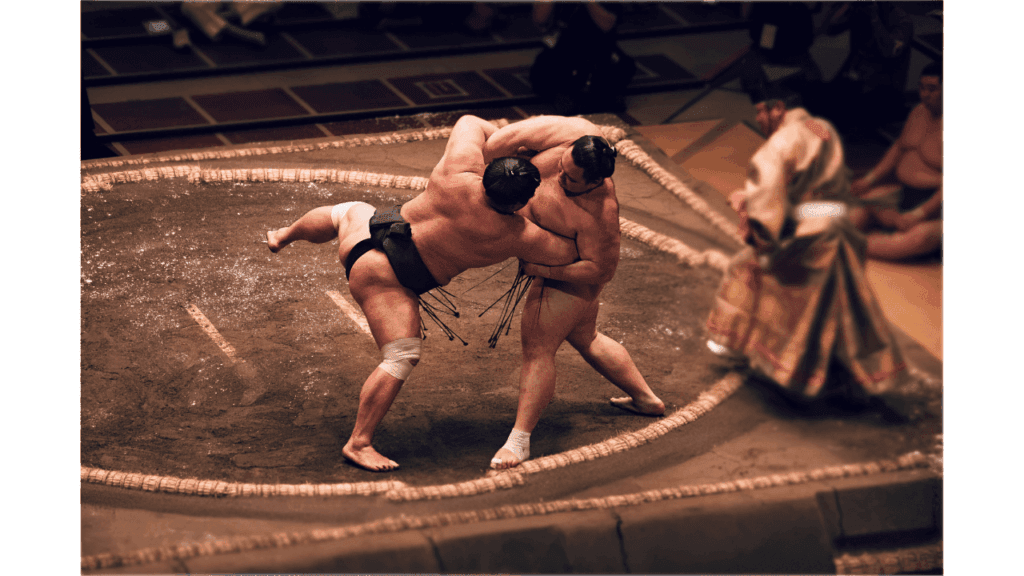
- For you if: you want something uniquely “Japan,” and you value experiences over photo spots
- Time needed: Tournament ~2–4 hours (some sessions allow re-entry) / Stable visit ~60–120 min
- Tip: stable visits often have limited spots—book early
What to book / check:
3) Smaller Museums
A quiet luxury: enjoy art without the crowds
Compared with major museums, smaller institutions often feel calmer—perfect for repeat visitors. They’re also easy to add as a “quiet hour” between bigger plans.
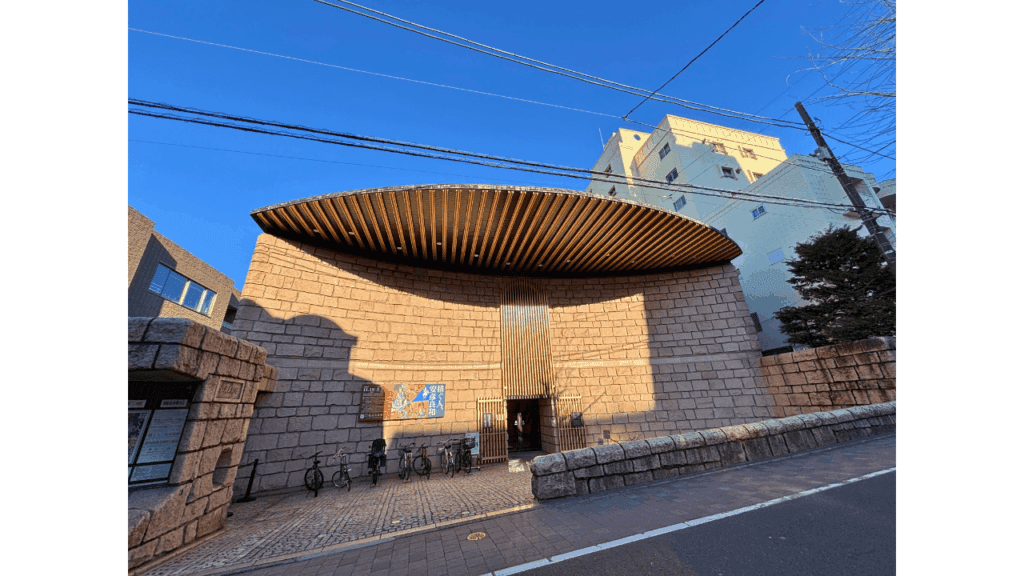
- For you if: you dislike crowds, or you love quiet spaces
- Time needed: ~60–120 min
- Tip: If you want to hop between multiple museums in Tokyo, the Tokyo Museum Grutto Pass can make visits more cost-effective (depending on the venues you choose).
If you’re not sure which museum is right for you, here’ s a guide to recommended museums in Tokyo.

4) Sento & Onsen
A “soaking culture” that resets your trip
Both are Japanese bathing experiences—but the source of the water is different.
- Sento uses heated tap water or well water. It’s the everyday neighborhood bath: easy to access, spacious tubs, and a great way to feel local daily life.
- Onsen uses mineral-rich hot spring water that meets specific requirements for temperature and components. It’s often enjoyed for recovery, sightseeing, and relaxation.
Recently, the line has become less clear: some sento bring in onsen water, or recreate onsen-like qualities. There are also “super sento”—entertainment-style bath facilities that combine baths and saunas with dining and rest areas.
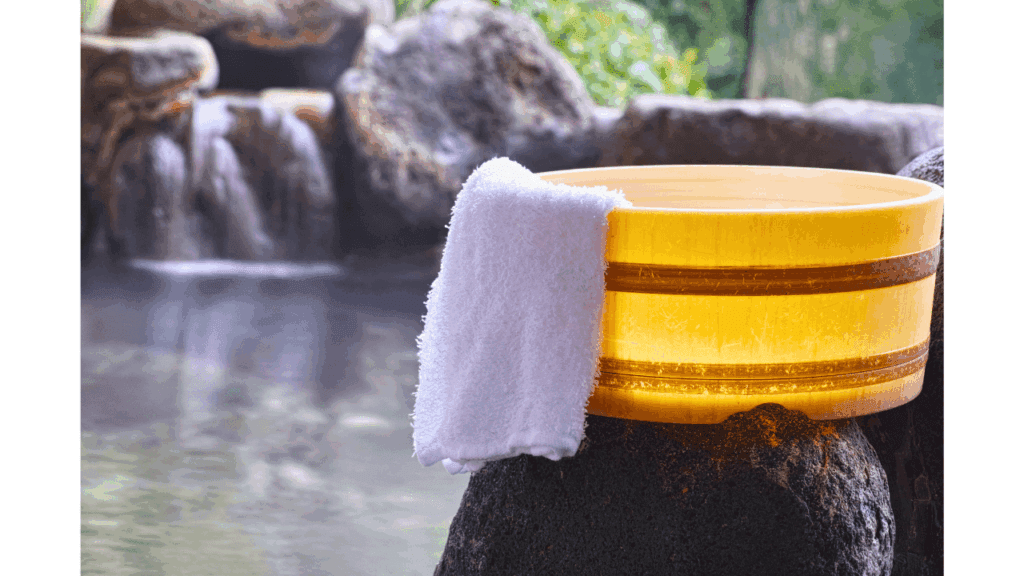
- For you if: you want to recover from walking, and experience Japanese bathing culture
- Time needed: ~60–180 min
- Tip: check basic etiquette in advance (washing area, tattoo policy, what to bring)
Check out the Japanese Bathroom Guide for manners!

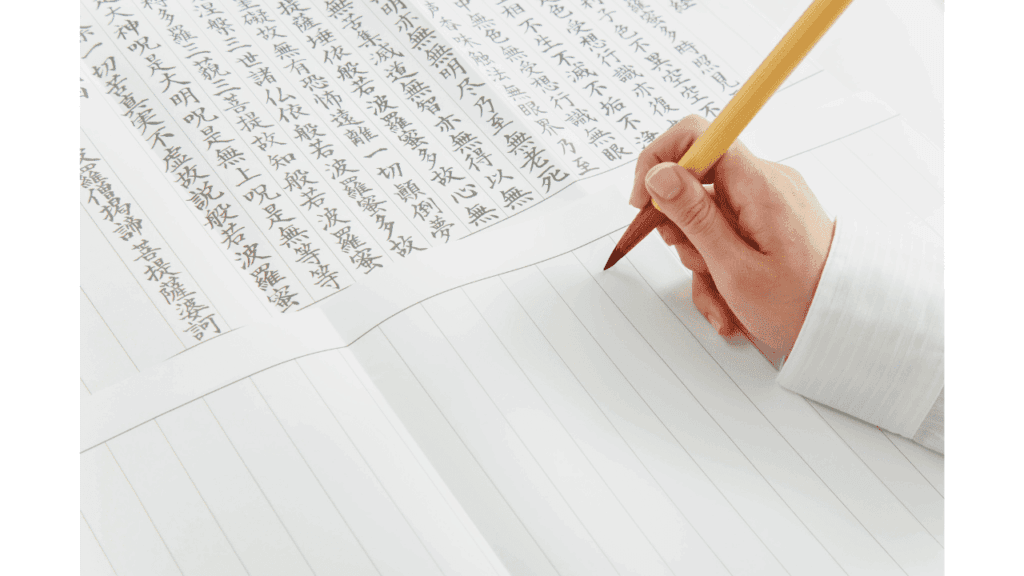
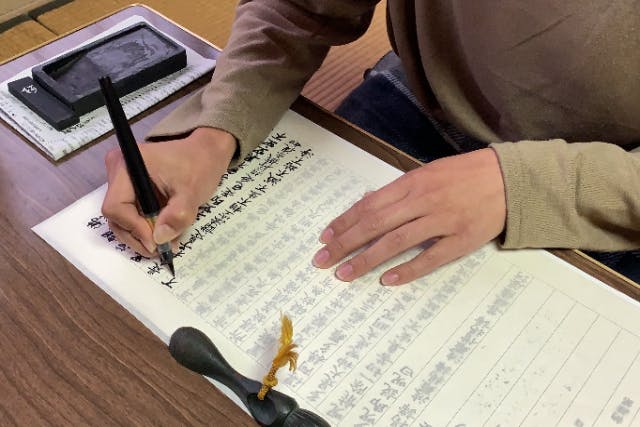
5) Shakyo & Zazen
Not a “tourist activity”—more like a reset button
This is the kind of experience that gently slows your pace.
- Shakyo is sutra copying: you write characters one by one, and the act of writing itself becomes calming.
- Zazen is seated meditation: you focus on posture and breathing, creating a quiet “empty space” in your day. The feeling afterward often stays with you.
Many places welcome beginners, so it’s worth trying even once.
- For you if: you like quiet experiences and want a calmer travel rhythm
- Time needed: ~60–120 min
- Tip: choose options with short sessions and clear explanations if it’s your first time
What to book / check:

6) Japanese Gardens (with Matcha)
A traditional style of beauty—season by season
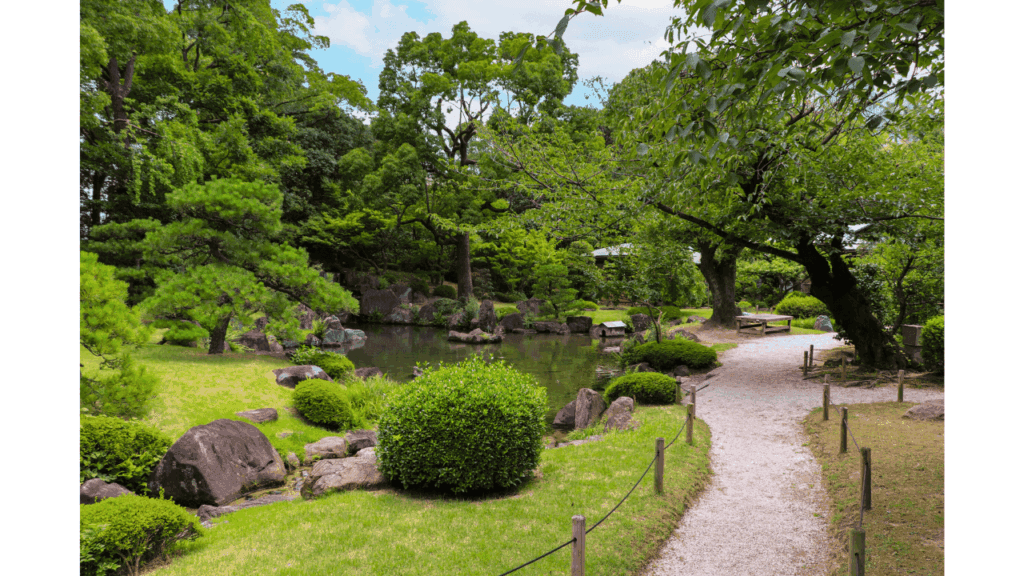
Japanese gardens are a traditional garden style shaped by stones, water, and carefully placed trees. In the quiet space, you can feel the beauty of each season. If the garden offers a matcha set, it’s a gentle way to slow down and enjoy the scenery.
- For you if: you love nature and culture, and you want calm photo spots
- Time needed: ~60–120 min
- Tip: gardens with a matcha tea spot often feel more complete as an experience
7) Sake Tasting
Taste the region—then the culture starts to connect
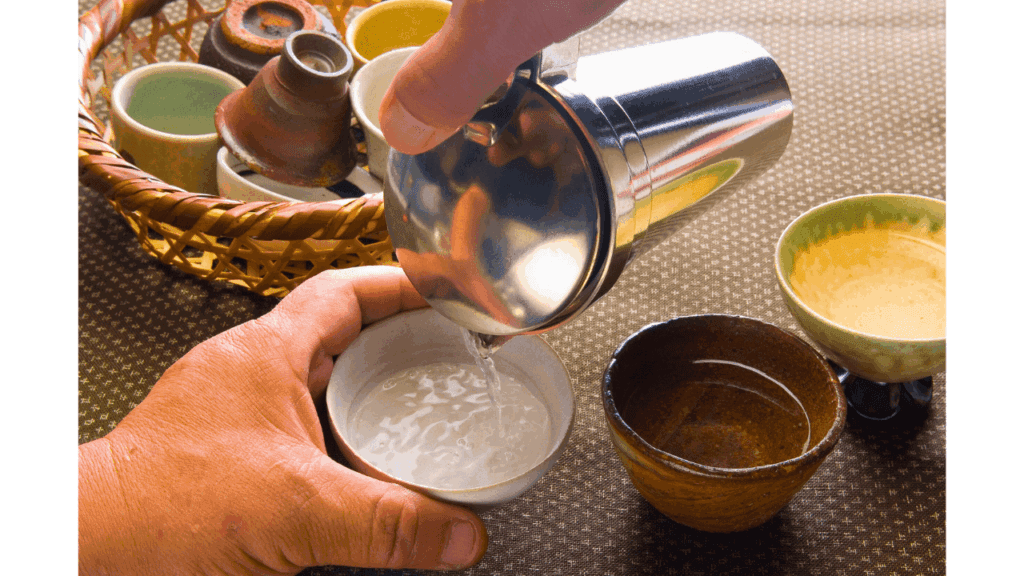
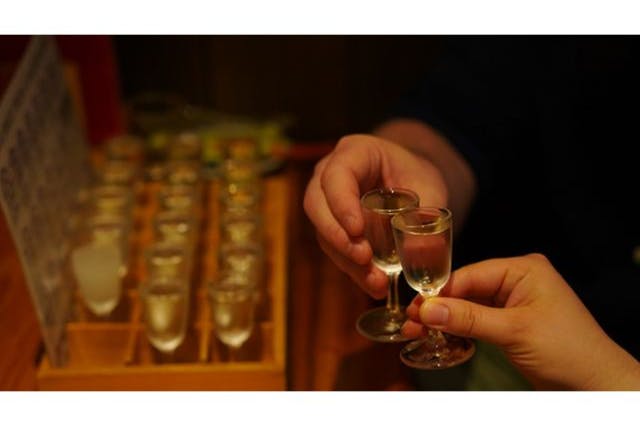
With so many types of sake, tasting is an easy entry point. When you learn about rice, water, and regional differences, it becomes much more meaningful. Some breweries also offer tours where you can see the brewing space.
- For you if: you love food culture and want to understand sake beyond “just drinking”
- Time needed: ~60–120 min
- Tip: formats with small pours across multiple types are the easiest and most enjoyable
What to book / check:

Check out the basic information in the Japanese Sake Guide!

8) Fruit Picking (Seasonal Harvest)
Taste the season—literally
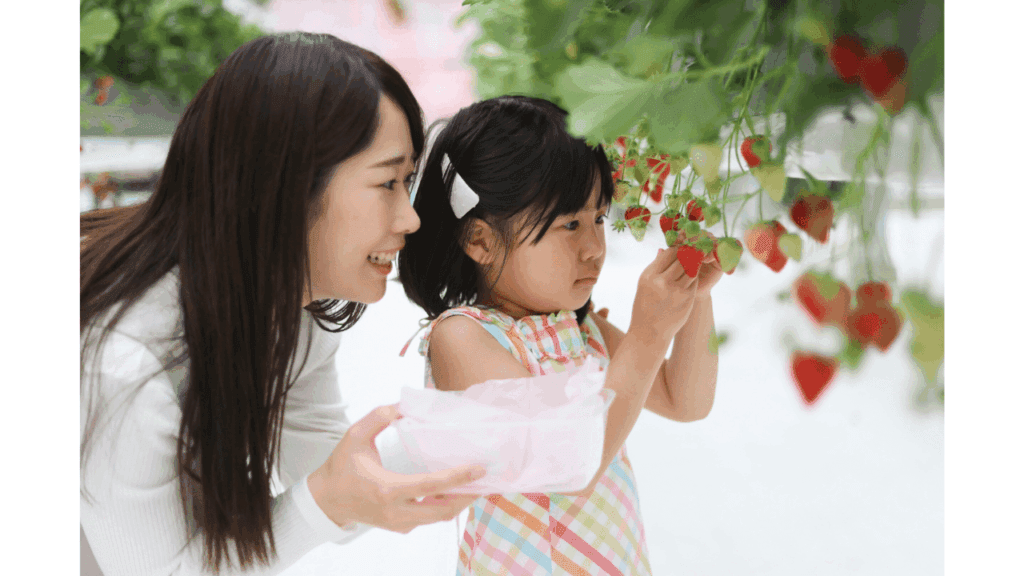
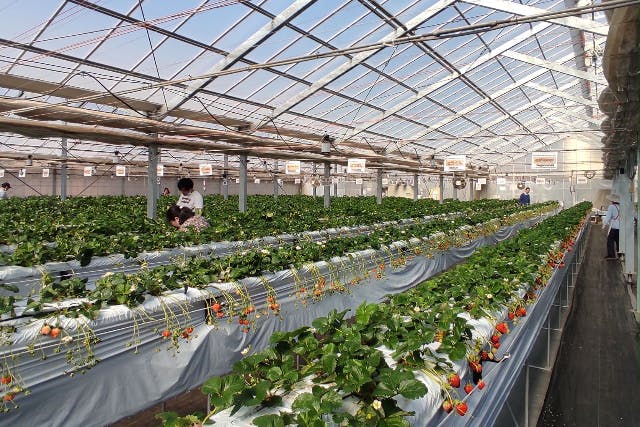
Many visitors are surprised by the quality of fruit in Japan. Picking it yourself and eating it right there is a special kind of luxury. Because it’s seasonal, matching the fruit to your travel month makes the experience much better (strawberries, peaches, grapes, etc.).
- For you if: you love seasonal food, and you enjoy slower suburban time
- Time needed: ~60–180 min (it can become half a day with transport)
- Tip: confirm “all-you-can-eat vs. pay-by-weight,” take-home options, and access
What to book / check:

9) Shotengai & Markets
The best place to see everyday Japan
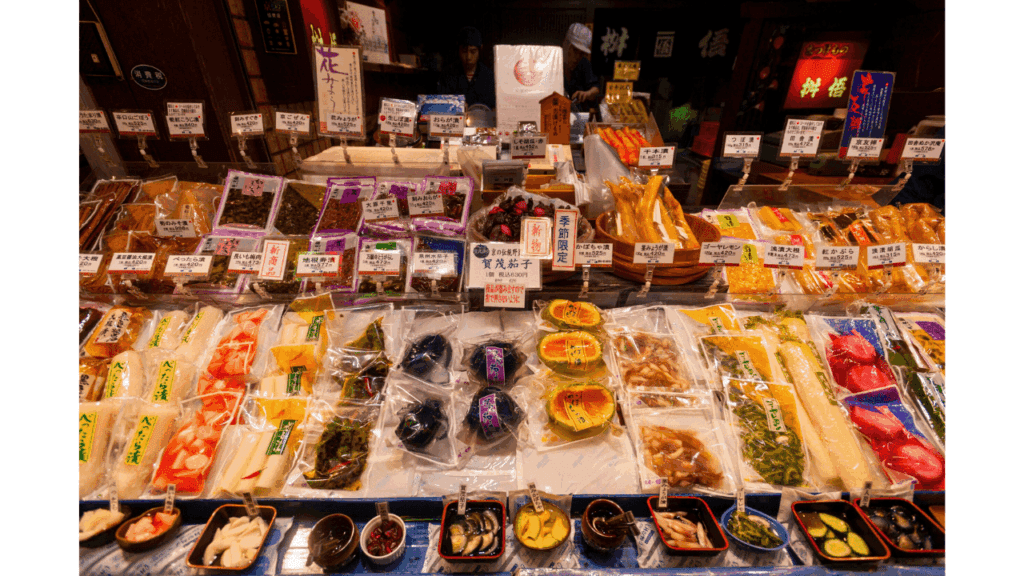
Shopping streets and markets reveal the pace and personality of a neighborhood more than famous tourist areas. Even without buying anything, they’re fun to wander—and you’ll often find unexpected food discoveries.
- For you if: you love local life and everyday atmosphere
- Time needed: ~60–120 min
- Tip: markets are most lively in the morning, while shopping streets are often best from late morning to early evening. Some markets have areas or hours that are not open to the public, so check in advance.
Click here to read about the Kochi Hirome Market experience.

10) Local Trains & Buses (Day Pass “Hop On / Hop Off”)
Make the ride itself the experience
Instead of packing in destinations, try choosing a day where “movement” is the plan. With a day pass, you can get off when something looks interesting—and simply ride on when you’re ready.
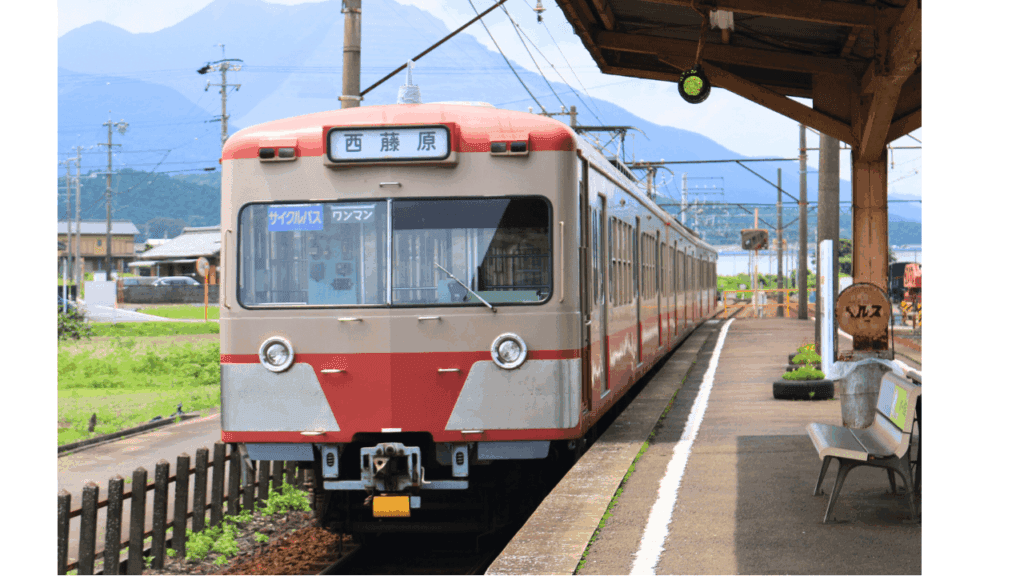
- For you if: you like unplanned discoveries and a slower travel rhythm
- Time needed: ~2–6 hours (as long as you like)
- Tip: day passes, loop tickets, and a quick look at the route map make everything easier
Click here to read about our Hokkaido rail travel experiences (coming soon).
Choose by Mood (If You’re Not Sure)
- When you want an easy day: local trains/buses / gardens / sento & onsen
- When you want quiet time: shakyo & zazen / gardens / smaller museums
- When you want “Japan-ness”: sumo / traditional performing arts / sento & onsen
- When food leads the day: sake tasting / fruit picking / markets
Wrap-Up
Cultural experiences aren’t only about “making something.”
Watching, soaking, sitting in quiet, tasting, observing everyday life, and enjoying the ride—these are also part of Japanese culture.
On your next trip, try removing one crowded plan and replacing it with just one experience from this list.
Your travel pace will shift—and Japan will stay in your memory in a different way.